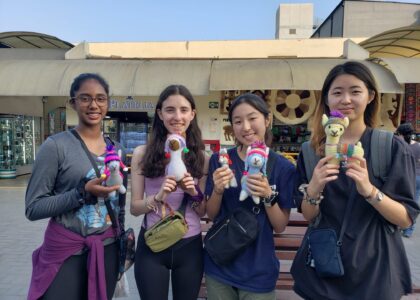


It’s one thing to read about food insecurity in a textbook. It’s another to walk alongside local farmers in rural Peru, hearing how climate shifts have affected their crops. For students on an educational travel program, the world becomes a living classroom filled with stories, challenges, and lessons that no lecture could ever replicate.
These experiences are not just about seeing the world, but about engaging with it responsibly. When designed ethically and in partnership with local communities, educational travel empowers young people to ask better questions, understand root causes, and see themselves as part of a global story, gaining insights into how immersive cultural travel can help students understand diverse perspectives and social realities.
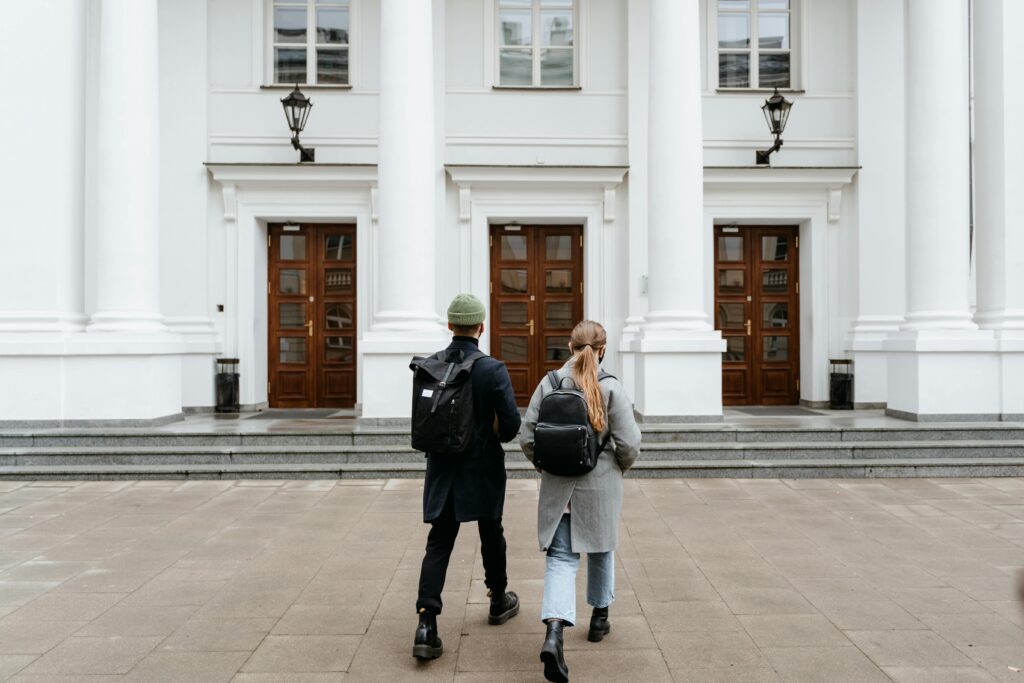
Beyond the Textbook: Why Educational Travel Matters
In traditional classrooms, global issues like poverty, healthcare access, and environmental sustainability can feel distant or abstract. Travel education bridges that gap. It puts students face-to-face with the systems, people, and histories behind the headlines, helping them develop the cultural competence that is increasingly essential in a connected world. Programs like these show why cultural competence through travel matters in today’s global economy.
Students who engage in educational travel tours:
- Develop empathy through direct cultural exchange
- Witness the complexities behind global challenges
- Learn how local and global systems intersect
- Gain perspective that informs future academic and career choices
When travel is guided, intentional, and reflective, it equips students not only to see the world differently but to participate in it more thoughtfully.
Learning Through Service, Not Charity
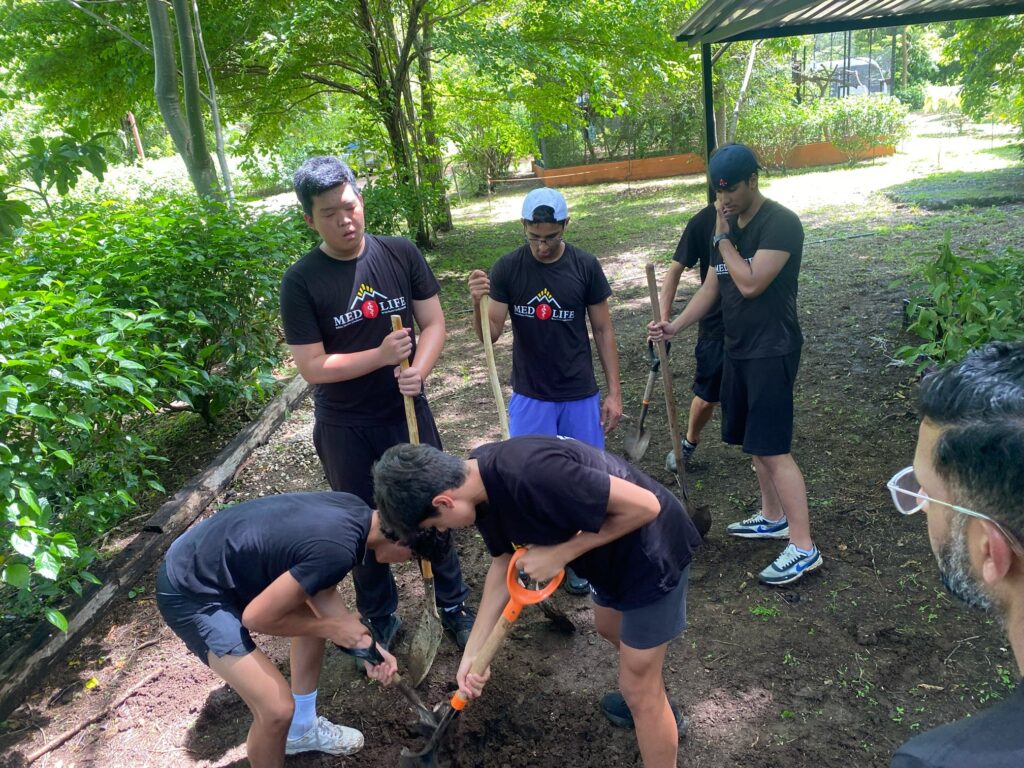
The key to meaningful educational travel lies in how students participate. Engaged Education trips, in partnership with MEDLIFE, ensure students are not just observing. They are contributing through service learning, not charity.
That means:
- Supporting projects that are community-requested and locally led
- Working alongside, not in place of, local professionals
- Reflecting on power dynamics, privilege, and sustainable impact
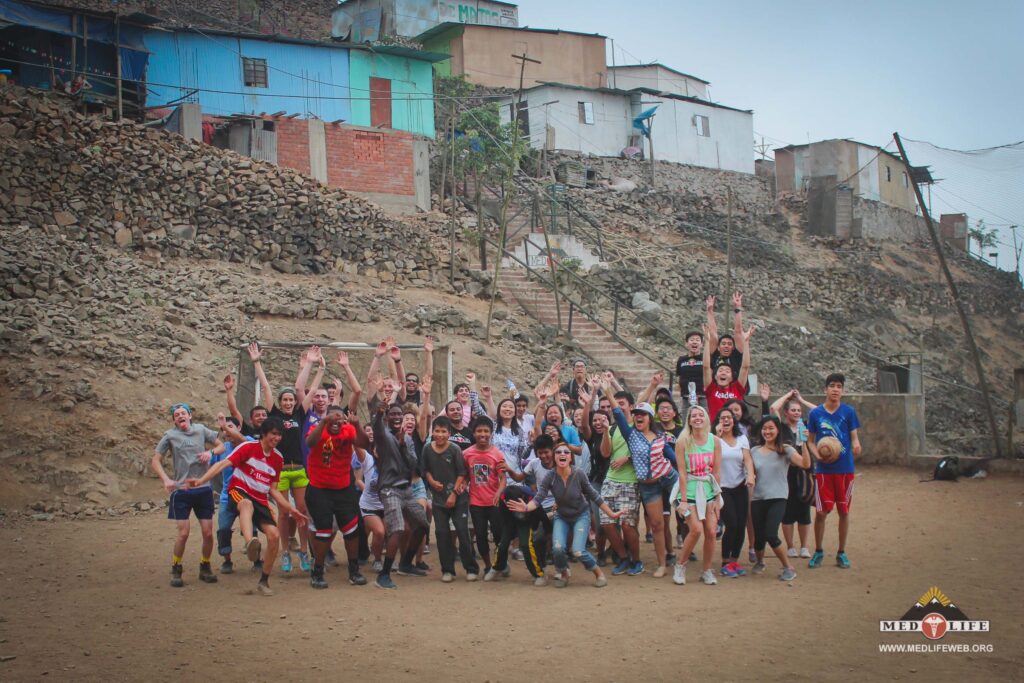
From building staircases in underserved hillside neighborhoods to assisting in mobile clinics that focus on preventative care, students learn that ethical service means listening first and acting second, a principle reinforced by projects that prioritize community-requested, sustainable development.
Student Growth That Lasts
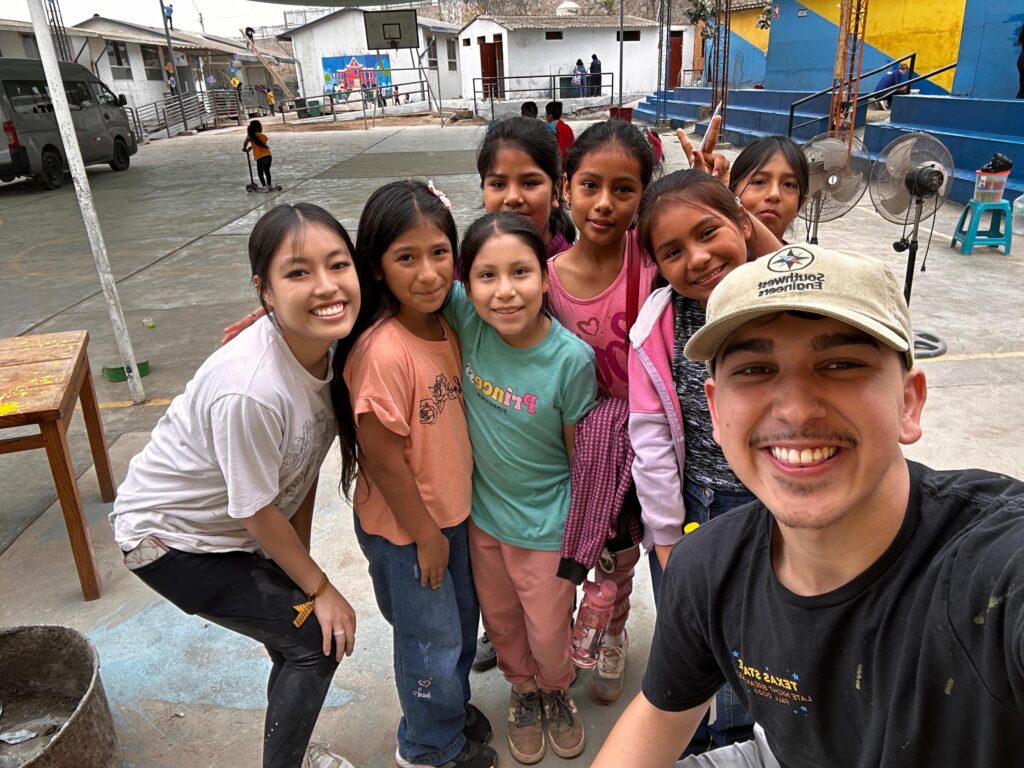
The outcomes of educational travel go far beyond the trip itself. After returning home, students often report transformations rooted in greater global awareness and empathy:
- A stronger sense of civic responsibility
- Increased confidence and adaptability
- A clearer understanding of global inequities and their root causes
These are not just memorable trips. They are formative experiences that help shape compassionate, informed global citizens.
Communities Benefit, Too
Well-designed travel education programs don’t just transform students; they also strengthen communities. MEDLIFE’s 50–50 model ensures local ownership, while infrastructure projects and health campaigns are integrated into long-term development plans.
This model avoids the pitfalls of the “white savior” narrative by centering community leadership and building on local capacity, an approach that encourages building meaningful connections through ethical volunteering. Students are invited into that work with humility and respect. Their role is not to save but to support and learn.
Engaged Education - Transformative Educational Travel Experiences
If you’re an educator, student, or parent interested in ethical, eye-opening educational travel, we invite you to explore our programs.
Download our brochure to learn more.
Donate here to support community-led development year-round.