

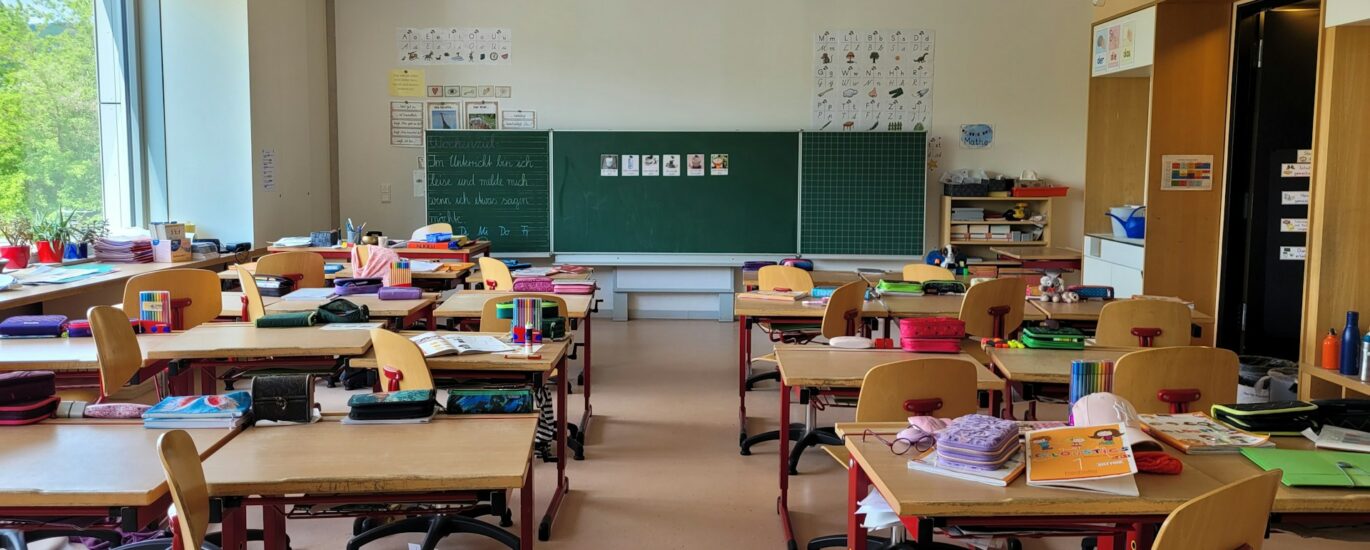
More teachers are turning to international student travel as a powerful extension of their curriculum. The reason is simple: no classroom, no matter how engaging, can replicate the impact of firsthand experiences in another country. When students step into new environments, they move from passive learning to active discovery, gaining knowledge through all five senses.
Whether it’s studying biodiversity in the Galapagos or practicing Spanish in a local market, travel introduces depth and context that textbooks alone can’t provide. These experiences are not a detour from learning. They are a catalyst that can transform how students see the world and their place in it.
Making Lessons Come Alive
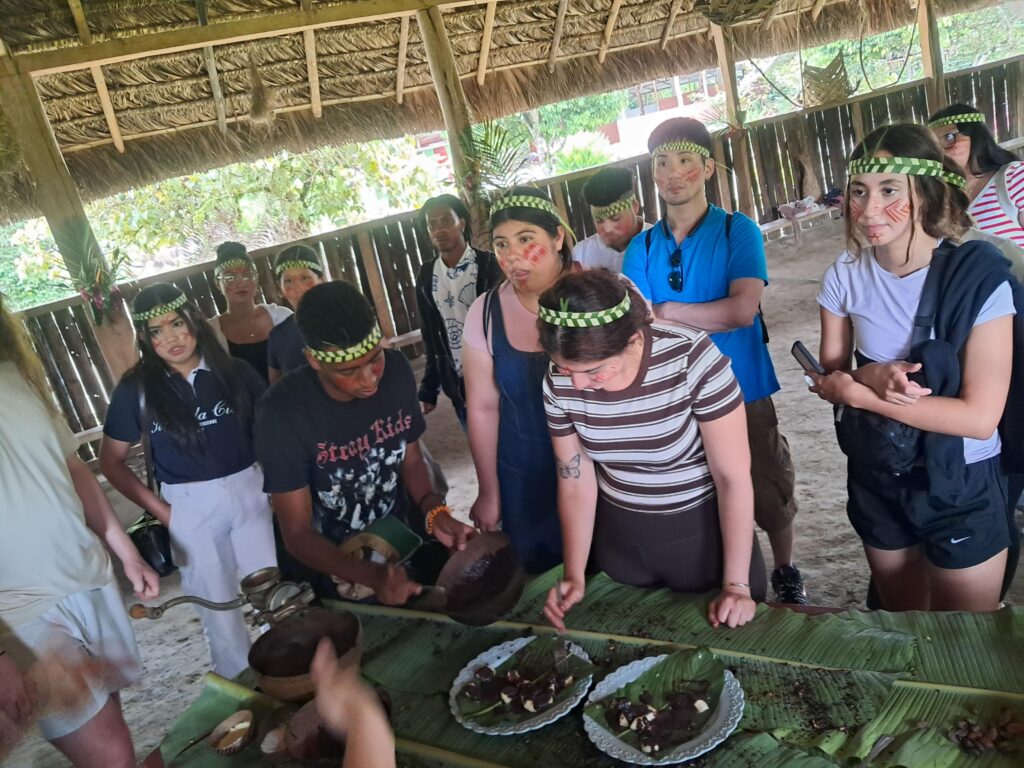
Travel has the unique power to improve learning by anchoring academic content in real-world settings. History becomes tangible when students explore ancient ruins. Science becomes interactive when they examine ecosystems firsthand.
By aligning trips with existing coursework, teachers help students draw connections across disciplines. As students experience the relevance of what they’ve studied in school, they become more curious, engaged, and motivated to learn. This kind of application is what makes educational travel so effective in enhancing student understanding.

Developing Global Competence
Beyond academic content, international student travel builds global awareness and empathy. Students do more than observe new cultures. They engage with them directly. That interaction fosters humility, flexibility, and intercultural communication skills that are crucial in today’s connected world.
Educators find that students return with greater confidence and a deeper understanding of global issues. In fact, many schools use travel to support their goals around global citizenship and cultural immersion as part of 21st-century learning.
Encouraging Real World Learning
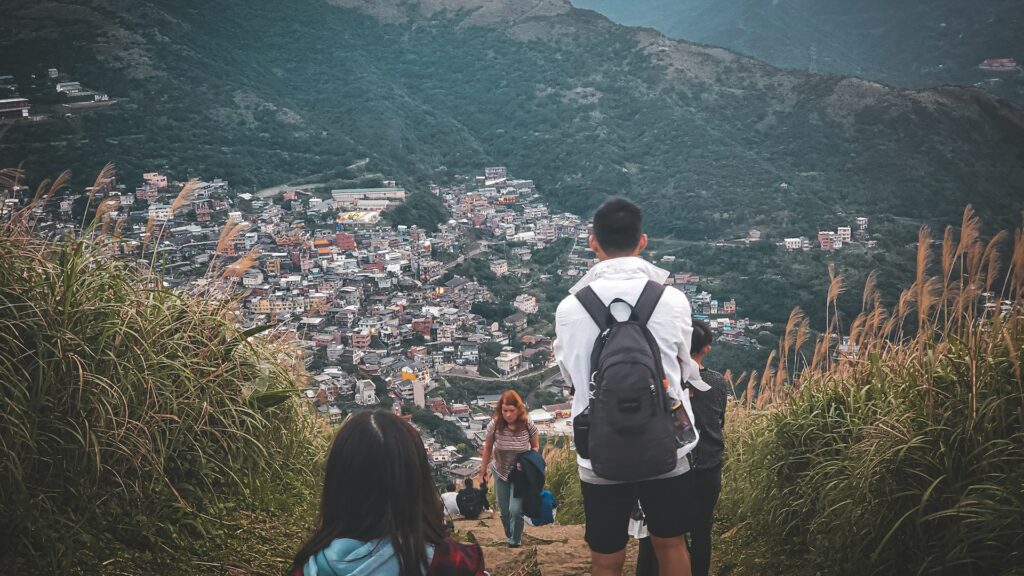
One of the most valuable aspects of travel is its ability to spark real world learning. Outside the classroom, students take on new roles such as navigators, translators, collaborators, and problem-solvers. They must adapt to unfamiliar situations, which strengthens their independence and critical thinking.
Teachers often report that students come back more self-assured and eager to tackle challenges. Travel exposes them to the unexpected and teaches them how to respond with resilience. This experiential learning has long-term benefits that extend far beyond the trip itself, as seen in how students grow through leadership and cultural engagement.
Creating Stronger Student-Teacher Bonds
International travel also strengthens relationships within the school community. When teachers and students explore new places together, they build mutual respect and trust in ways that are hard to replicate in a traditional classroom.
This shared experience fosters a sense of connection that can enhance the learning environment long after returning home. It’s a reminder that education is not just about academics. It is about shared growth and discovery, something that travel programs designed for student development intentionally cultivate.
Engaged Education - Transformative Educational Travel Experiences
If you’re an educator looking to bring your lessons to life through international student travel, we’re here to help.
Download our brochure to explore destinations, curriculum links, and logistics.
Donate here to support access to transformative travel for more students.