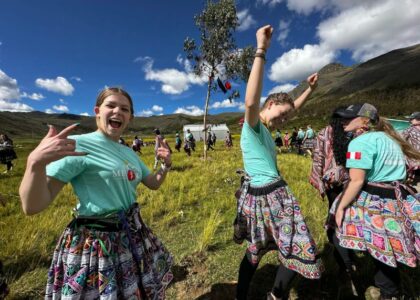

When Sarah boarded her flight to Lima, she imagined a week of helping. She would assist at health clinics, build infrastructure, and maybe even teach English. But by day two of her Service Learning Trip with MEDLIFE, she realized something more powerful was happening. Instead of giving, she was receiving: stories, insights, and a deeper understanding of how ethical travel should work.
This shift away from “saving” toward first-hand learning is essential in avoiding voluntourism, a well-meaning but often harmful approach that places visitor experience above community impact.
What Is Voluntourism and Why Is It Harmful?
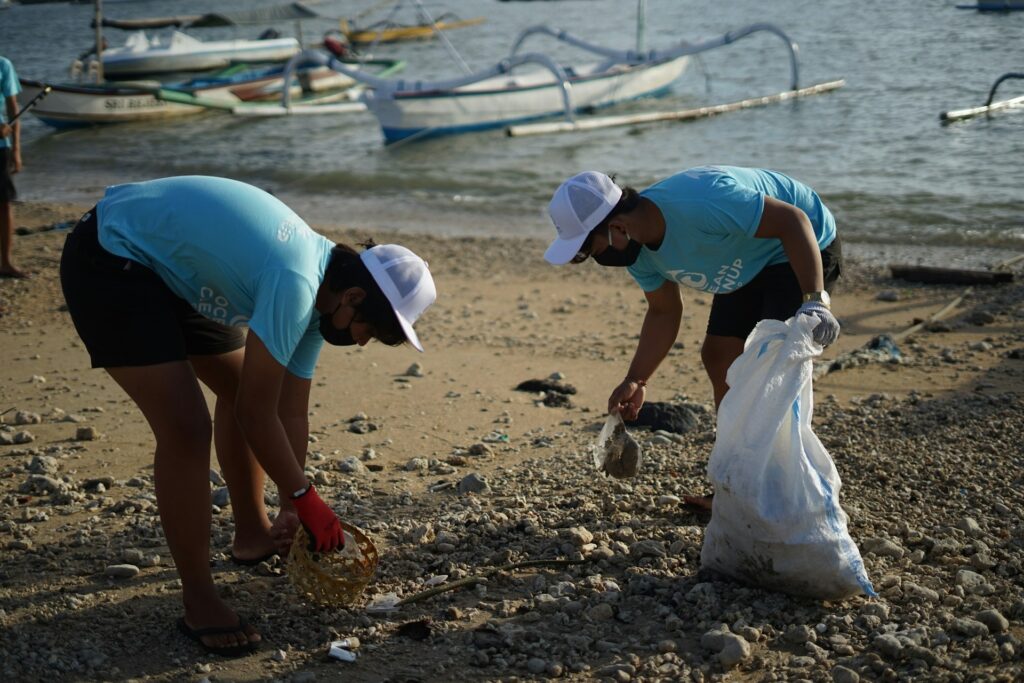
Voluntourism combines volunteering and tourism, but too often it results in temporary, feel-good projects that lack follow-up or community input. Volunteers may arrive with the best intentions, yet leave behind broken promises and unused infrastructure.
Without proper structure and long-term planning, voluntourism can unintentionally reinforce stereotypes, waste resources, or even cause harm. Children form bonds with visitors who never return. Clinics pop up without a plan for care continuity. Homes are built without permits or cultural consideration.
To avoid these pitfalls, organizations like MEDLIFE prioritize sustained partnerships, cultural humility, and real-world learning, not charity tourism.
How MEDLIFE Avoids Voluntourism
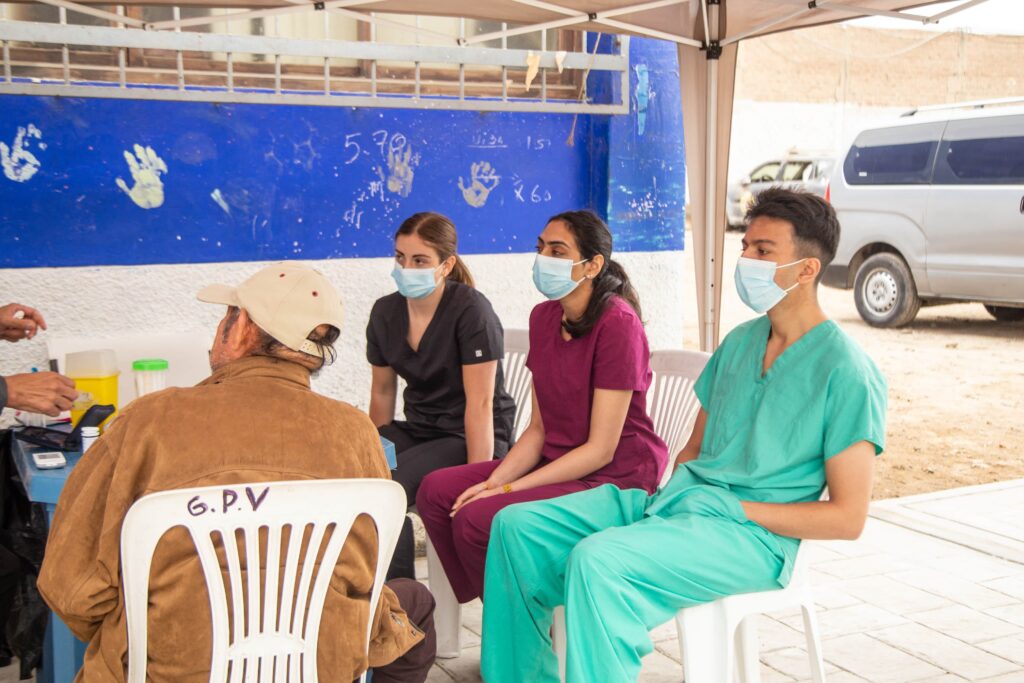
The MEDLIFE model is designed to flip the traditional script. Students are not there to “fix” problems. Instead, they support existing local efforts led by doctors, nurses, engineers, and community leaders who deeply understand the needs of their neighborhoods.
One powerful example comes from the hillside community of Union Santa Fe in Lima. There, MEDLIFE worked for over a decade alongside residents to build safe staircases, expand health screenings, and unlock legal land ownership. Students joined for a week, but the community and staff were there before and long after.
This kind of commitment avoids voluntourism by anchoring service in long-term development and shared goals. The learning is immersive, the impact is ongoing, and every project is designed with local voices at the center.
Shifting From Helping to Learning
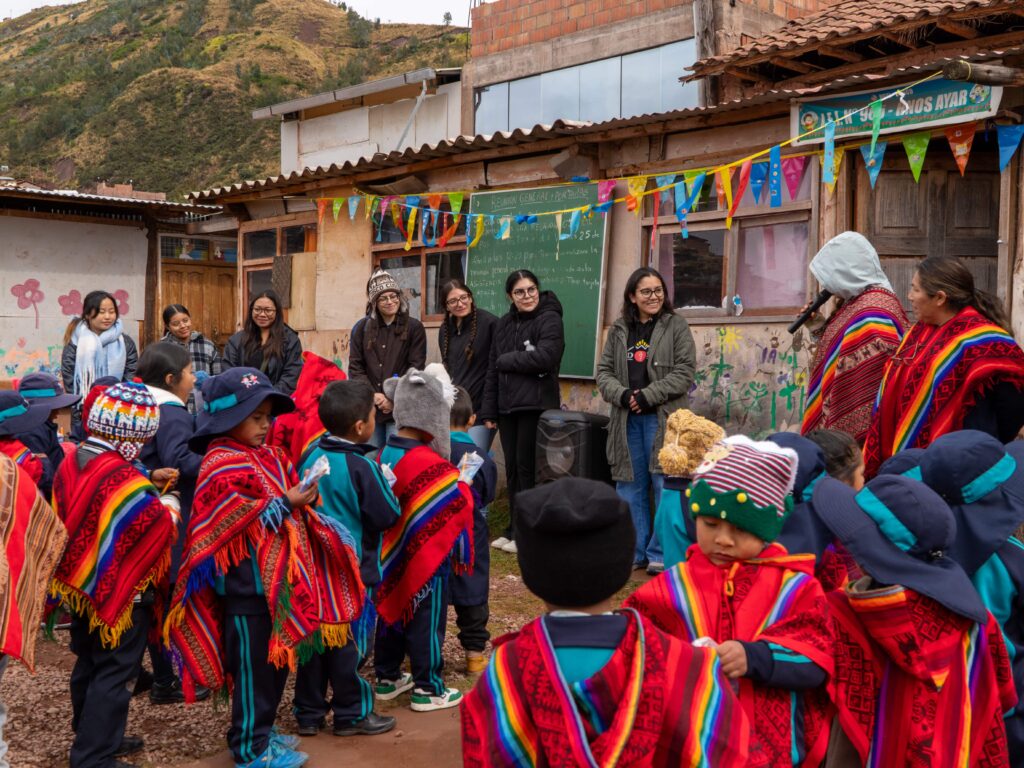
A core value of MEDLIFE trips is structured reflection. Every evening, students gather to unpack what they saw, heard, and felt. They talk through ethical dilemmas, ask critical questions, and connect the dots between policy, poverty, and public health.
This isn’t accidental. It’s how first-hand learning becomes transformative. Students don’t just observe; they engage. And they begin to see that respectful global service is not about taking action fast, but about listening first and acting with care.
By avoiding white savior narratives and placing students in a learning role, MEDLIFE ensures that their experiences foster global citizenship, not unearned heroism.

Real-World Learning That Sticks
Unlike drop-in volunteering, ethical real-world learning helps students connect their classroom knowledge to actual community contexts. A public health student might help with screenings while learning about barriers to care in remote areas. A future architect might learn how community-driven design enhances safety in informal settlements.
MEDLIFE’s projects, from maternal health workshops to school construction, give students a lens into systemic challenges and community resilience. These lessons stay with them long after the trip ends, fostering empathy and understanding.
Community Empowerment Through Structure and Respect
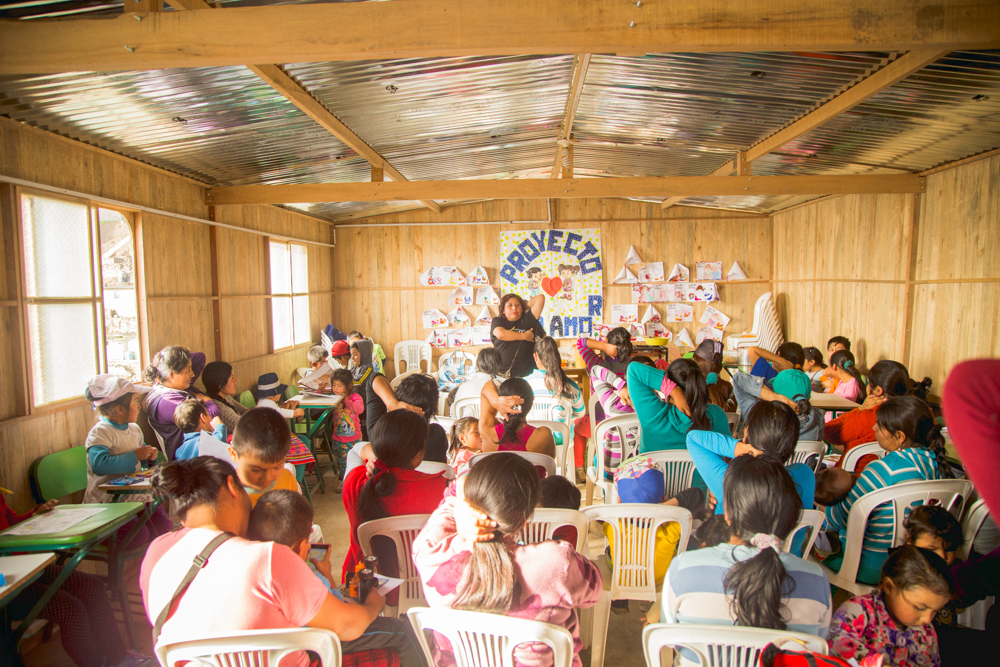
Avoiding voluntourism isn’t just about what students do; it’s about how projects are built. MEDLIFE’s 50-50 model ensures that local communities contribute labor, leadership, and decision-making. The organization provides materials and logistical support, not prescriptive solutions.
In Ecuador, for example, a community greenhouse project launched with collaboration from local agronomists and residents, giving families food security and sustainable income. Students helped but didn’t lead. That distinction matters.
This kind of approach aligns closely with principles of sustainable development, ensuring that each initiative is useful, used, and wanted.
Building Ethical Pathways for the Future
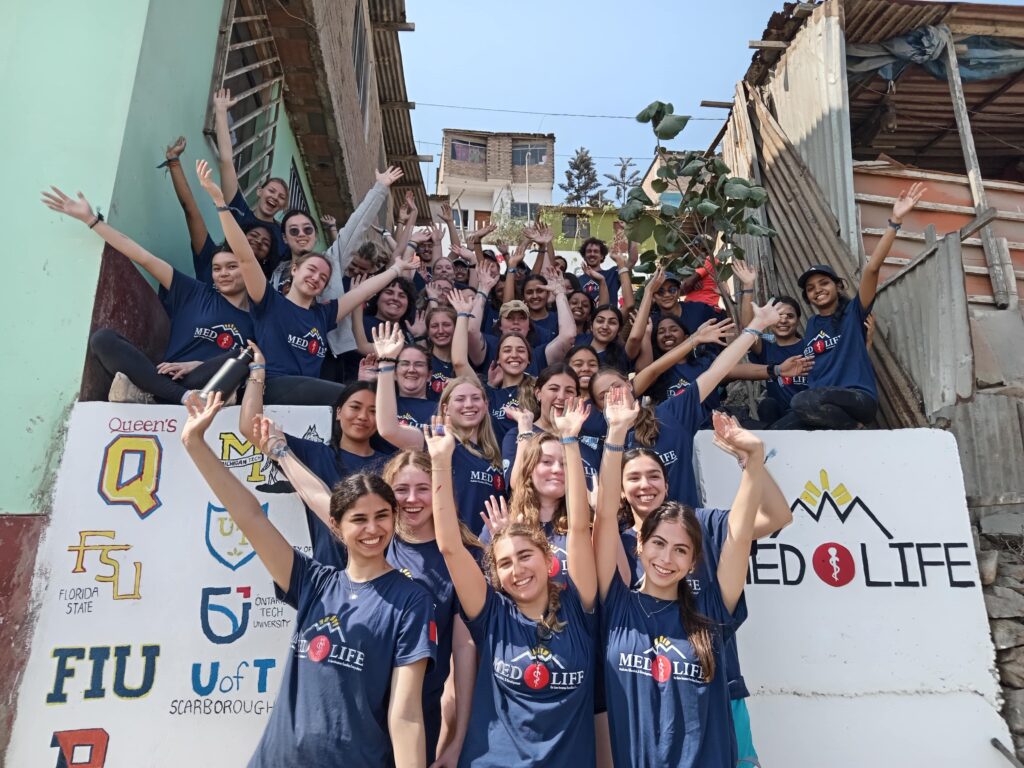
Educational travel should be a bridge to deeper questions, future careers, and a lifelong commitment to ethical service. For students who begin with curiosity, the right kind of experience can guide them toward public health, international law, or community organizing.
By avoiding voluntourism and focusing on community-led learning, MEDLIFE offers not just a trip but a starting point for conscious global engagement. For students looking to deepen their impact, language immersion and intercultural collaboration are the next steps.
Engaged Education - Transformative Educational Travel Experiences
Start your journey by downloading our brochure to explore ethical, immersive travel experiences that prioritize learning and local leadership.
For less than the cost of a coffee a month, you can directly assist communities in need and support sustainable, community-driven projects.