How Educational Travel Supports Social Emotional Learning in High School Students
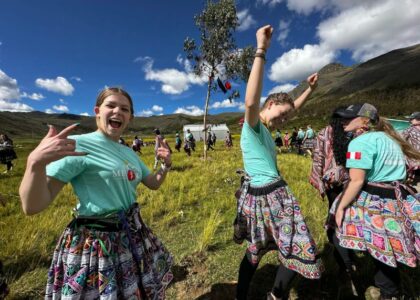
At the end of a long day in a Peruvian community, a high school student sits in a reflection circle with their peers. Earlier, they helped organize patient flow at a mobile clinic and listened as a local nurse explained why follow-up care matters. Now, they are trying to put the experience into words. What surprised them. What challenged them. What they are still trying to understand.
This is where social emotional learning begins to take shape in a meaningful way. Not through a worksheet, but through lived experience, guided reflection, and honest conversation.
Social Emotional Learning Develops Through Real-World Context
Students often learn emotional awareness in controlled classroom settings. But growth deepens when they are placed in unfamiliar environments that require adaptability and perspective-taking.
Through social and emotional learning in the classroom, students may practice communication and empathy. In the field, those same skills become essential. They navigate language differences, observe cultural norms, and learn to listen more carefully than they speak.
Reflection Turns Experience into Emotional Intelligence
Experience alone does not guarantee growth. Reflection is what transforms moments into learning.
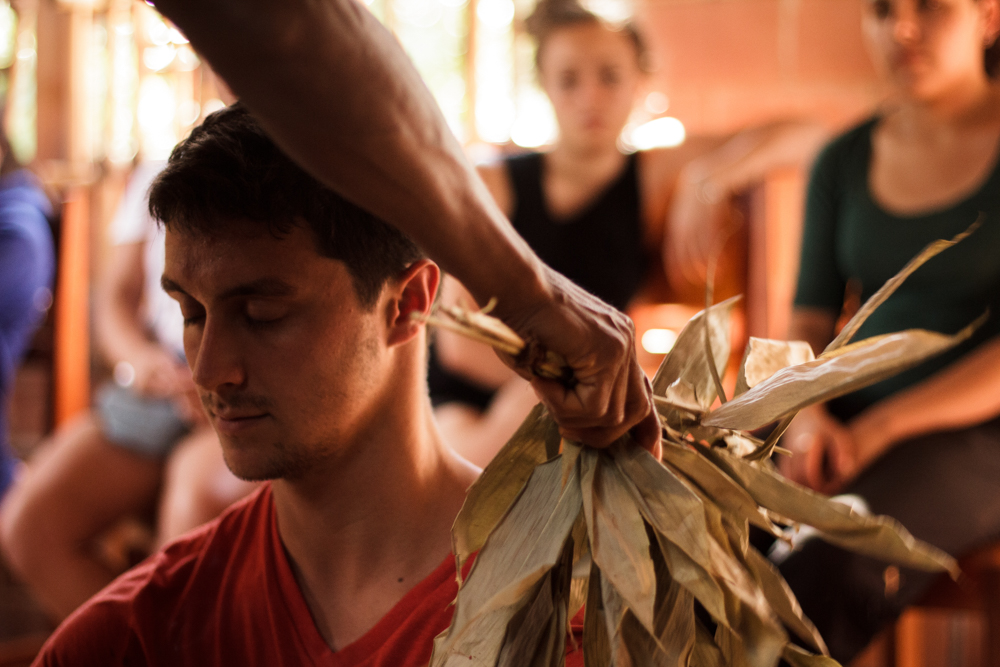
MEDLIFE programs intentionally build in structured reflection, allowing students to process what they see and feel. They begin to recognize their own assumptions, question their perspectives, and understand how emotions influence decision-making.
These types of social-emotional learning activities help students develop self-awareness and critical thinking at the same time.
Ethical Volunteering Builds Empathy and Responsibility
Empathy grows when students engage with others in respectful, collaborative ways.
Through Ethical Volunteering, students learn that their role is not to lead, but to support. They observe how local professionals guide care and how communities shape their own development projects. This builds a deeper understanding of responsibility and respect.
Social awareness develops when students begin to understand systems, not just individual experiences.
In MEDLIFE communities, students see how healthcare connects to infrastructure, education, and economic opportunity. A staircase improves safety, but it also improves access to care and school. A greenhouse supports nutrition and income. These connections build a more complete understanding of Sustainable Development.
Not all travel experiences support social-emotional development in the same way.
Students and educators exploring programs should look for long-term partnerships, local leadership, and structured reflection. These elements create environments where students can grow emotionally and intellectually.
The impact of social-emotional learning extends far beyond a single trip.
Students return home with stronger communication skills, increased empathy, and a better understanding of how to navigate complex situations. These skills influence how they approach school, relationships, and future careers.