

For many students, traveling abroad is more than an adventure. It’s a chance to grow, learn, and build lifelong perspectives. But one of the biggest barriers to travel remains cost. That’s where thoughtful, ethical fundraising can make all the difference.
This guide explores fundraising ideas for school trips that align with the values of community engagement, transparency, and student empowerment. Whether you’re a high school teacher or a university trip coordinator, these ideas can help make travel accessible without compromising on ethics, especially when supported by creative strategies that engage students in meaningful planning and outreach.

Begin With Purpose, Not Pressure
Before planning events or setting up donation pages, start with a conversation: Why does this trip matter? What will students learn? Who are the communities they will visit?
Framing the fundraiser around education and growth, rather than charity or savior narratives, builds trust and respect. For example, if your group is traveling for a service learning experience, focus on how students will listen, collaborate, and support locally led efforts. This kind of framing, as seen in educational programs built on ethical service, helps potential donors understand the trip’s long-term impact.
Keep It Simple: Tried-and-True Fundraisers
Some fundraising ideas are classics for a reason. When organized well, they raise money and build community:
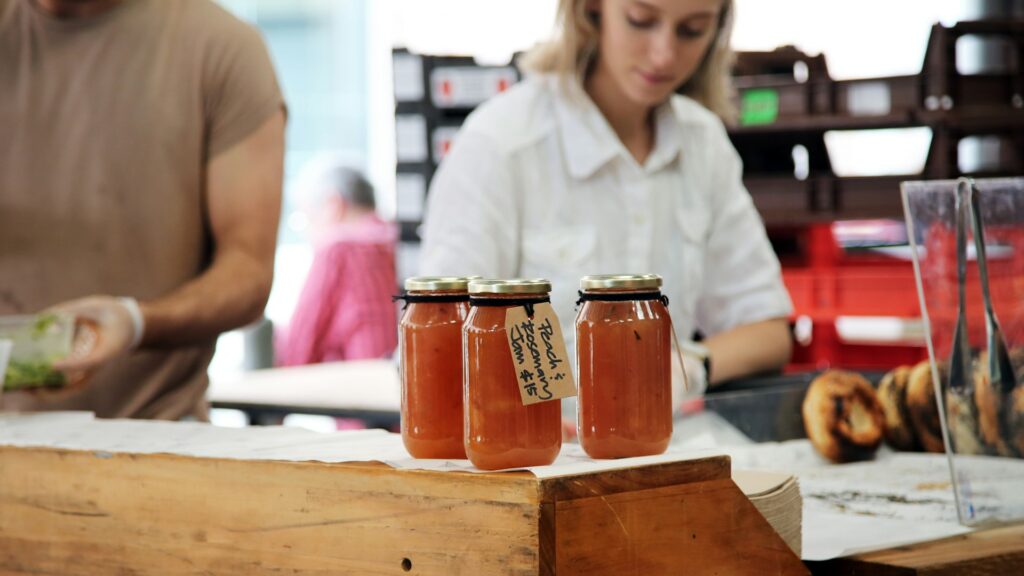
- Cultural bake sales: Feature desserts from the destination country
- Trivia nights: Let students host and share facts about where they’re going
- Silent auctions or raffles: Ask local businesses for donations
What makes these work isn’t flash. It’s connection. Students get to share their goals while communities rally behind a cause that feels meaningful, especially when events are framed as shared opportunities for cultural exchange and educational growth.

Ethical Online Campaigns
If you’re wondering how to fundraise for a school trip in today’s digital landscape, crowdfunding can be a powerful and accessible option when approached with intention and care.
A strong campaign includes:
- A clear educational purpose
- Realistic fundraising goals
- Honest, humble storytelling
Instead of framing the trip as “helping” others, talk about how students will grow through real world learning and respectful cultural exchange. Show how they will be supporting and learning from local leaders, as modeled in travel programs that promote community partnership.
Share the Workload: Team-Based Fundraising
Collaborative fundraising teaches students responsibility and teamwork. These are skills they will need on the road and in life.
Try:
- Dividing tasks (marketing, outreach, event planning)
- Creating themed event nights with presentations and food
- Reaching out to local organizations for matching donations
These efforts don’t just raise funds. They build student ownership and prepare them for the reflective, community-based work they’ll do during the trip.
Center the Community
Great fundraising does not begin online. It begins with the people around you. Involving parents, teachers, alumni, and local businesses creates a ripple effect of support.
Host a family night, share updates in the school newsletter, or reach out to a local newspaper. One school’s experience organizing a collaborative cultural event with educational goals shows how local networks can turn a small event into a movement.
Engaged Education - Making Travel Accessible for All Students
Engaged Education believes educational travel should be inclusive, respectful, and transformative. That includes making it affordable.
Download our brochure to explore student travel opportunities.
Donate here to help remove financial barriers for students ready to learn from the world.