The history of Peru is easier to understand when students stand where it happened. Colonial plazas, Inca stonework, and Andean farming terraces each tell part of the story. Our 13-day Historical Heritage of Peru tour connects those places in one route: Lima, Arequipa, Puno, and Cusco.
In this guide, you’ll learn what students explore in each stop. You’ll see how the itinerary links history to present-day social challenges and Andean ecology. We also cover the logistics teachers ask about first, such as altitude and group supervision.

What Students Learn About the History of Peru in Lima and Arequipa
Lima: Colonial Legacy and Recent History
The tour starts in Lima. Students visit the Plaza de Armas and the historic center. The architecture opens conversations about colonization and independence.
The visit to Lugar de la Memoria (LUM) adds a more recent chapter. This museum documents Peru’s period of political violence. It gives students context on the country’s ongoing work toward social justice.
Students also join a Reality Tour with MEDLIFE. They learn how Lima’s neighborhoods grew and what urban development looks like today.
Arequipa: Monasteries and the Colca Valley
In Arequipa, students visit the Monastery of Santa Catalina. The historic center of Arequipa is a UNESCO World Heritage Site. To learn more before the trip, read our guide to the culture of Arequipa.
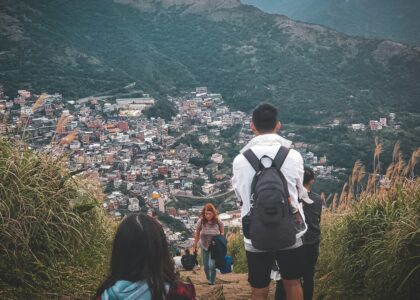
The group then travels to the Colca Valley. Here, students see how Andean communities have adapted to the mountain environment. Terraced fields make the link between ecology and local economy easy to see.

Andean History and Contemporary Challenges in Puno and Cusco
Lake Titicaca and the Uros Islands
In Puno, students sail on Lake Titicaca to the Uros Islands. The Uros people live on floating islands built from totora reeds. Students learn how these centuries-old traditions continue today.
Cusco, the Sacred Valley, and Machu Picchu
The route crosses the Altiplano to Cusco, the former Inca capital. Discussions here connect Inca society with modern topics like climate change and economic development.
Key activities include:
- “Sounds of the Andes”: a hands-on introduction to Indigenous musical traditions.
- Ceramic workshop in the Sacred Valley.
- Machu Picchu with an expert guide. The site is also on the UNESCO World Heritage List.
- Rainbow Mountain hike through high Andean landscapes.
For a deeper look at the site’s cultural meaning, see Machu Picchu and Indigenous rights. Students can also read about Indigenous resilience in Peru before they travel.
Planning a trip for your class? Contact our team to ask about dates and group options.

Tour Highlights at a Glance
- Lima’s Plaza de Armas and historic center
- Reality Tour on urban development with MEDLIFE
- Lugar de la Memoria museum
- Monastery of Santa Catalina in Arequipa
- Colca Valley
- Uros Islands on Lake Titicaca
- Sounds of the Andes experience in Cusco
- Ceramic workshop in the Sacred Valley
- Guided visit to Machu Picchu
- Rainbow Mountain hike
Logistics Teachers Should Know Before a Peru Educational Tour
A strong itinerary still needs a plan teachers can explain to parents and administrators. Here are the points to review early:
- Altitude: Puno and Cusco sit high in the Andes. Plan for gradual acclimatization. Ask families to share relevant health information with their doctor before the trip.
- Physical activity: Rainbow Mountain is a demanding high-altitude hike. Tell students and parents about it in advance.
- Documents and insurance: Confirm passport validity and entry requirements for each student’s nationality. Review travel insurance coverage before departure.
- Supervision and safety: Review our travel safety guidelines and these Peru travel safety tips.
Why This Tour Supports Classroom Learning
The tour links each site visit to themes many teachers already cover. These include colonization, religious syncretism, Indigenous history, and environmental adaptation. Students see how historical forces still shape daily life in Peru.
This makes the trip easier to connect to social studies, world history, Spanish, and environmental science courses. Engaged Education is part of the MEDLIFE Movement, which shapes the community-focused approach of each tour.
Frequently Asked Questions
What are the main periods in the history of Peru?
Peru’s history is often divided into four broad periods: pre-Inca civilizations, the Inca Empire, Spanish colonial rule, and the independent republic. This tour includes sites tied to each period, from Inca Cusco to colonial Lima and Arequipa.
Which cities are best for learning about Peruvian history?
Lima, Arequipa, Puno, and Cusco each cover a different chapter. Lima and Arequipa show the colonial legacy. Puno shows Lake Titicaca’s living traditions. Cusco and Machu Picchu show the Inca Empire.
Is a Peru educational tour safe for high school students?
Safety depends on planning and supervision. Review altitude, health, documents, and insurance before departure. Our team can walk you through how supervision and logistics work on each tour.
Bring the History of Peru to Life for Your Students
Ready to plan a trip for your class? Fill out our contact form to get details on the Historical Heritage of Peru tour and other programs. You can also download our brochure to share with your school.