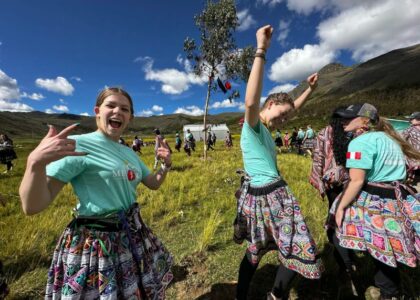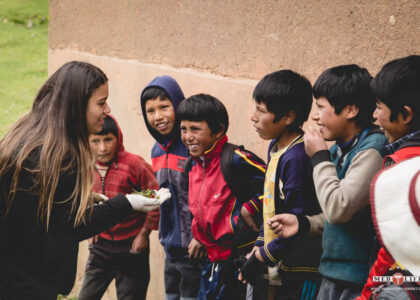

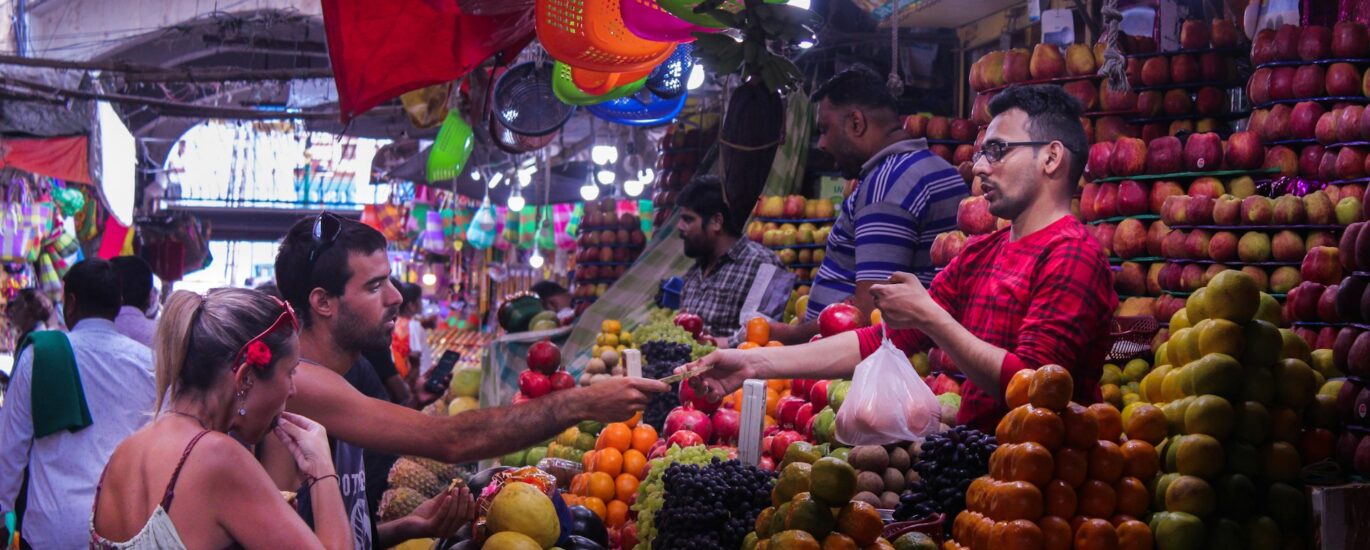
When a student from Minnesota shares a meal with a family in rural Ecuador, or when a teenager in Toronto joins a community celebration in Costa Rica, something powerful happens. These moments of cultural exchange are not just memorable; they are educational. They expand minds, challenge assumptions, and build the kind of global understanding that textbooks alone cannot provide.
In today’s interconnected world, global education is more than a buzzword. It is a necessary part of preparing students to navigate diverse workplaces, address global challenges, and engage with empathy and humility across cultures. Thoughtful student travel grounded in exchange, not tourism, plays a key role in this development.
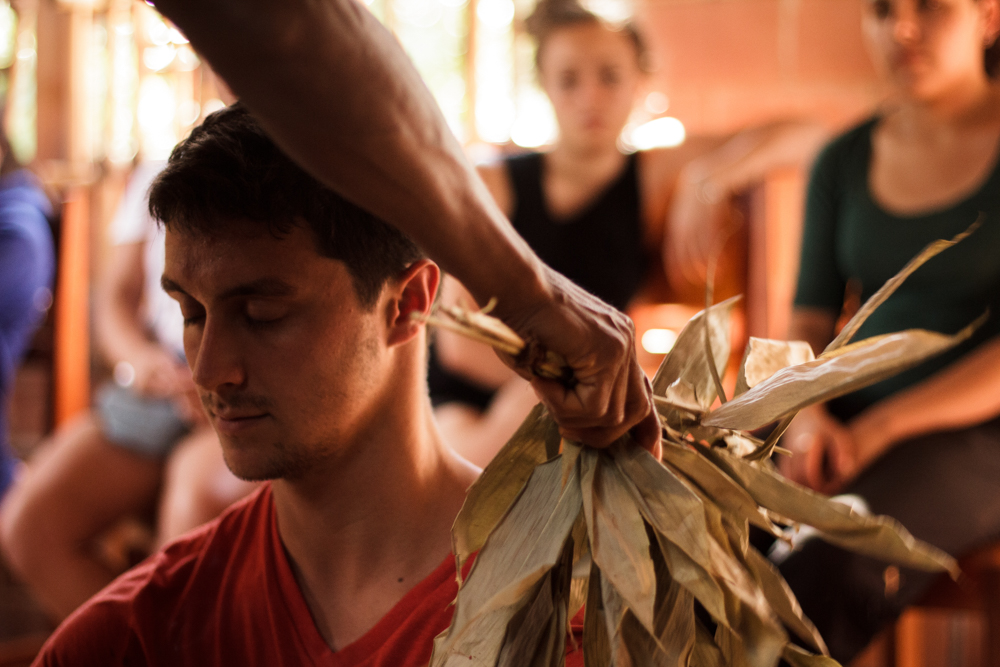
What Is Cultural Exchange and Why Does It Matter?
Cultural exchange means more than sightseeing or trying new food. It is the process of learning through real human connection, through conversation, shared work, and day-to-day experiences. For high school students, these encounters can be transformative. They offer new ways of seeing the world and themselves. Learn more in our article on building meaningful connections through student volunteering.
Through activities like homestays, language immersion, and collaborative service projects, students not only learn about other cultures but also reflect on their own values, habits, and perspectives. This builds empathy, cross-cultural competence, and emotional maturity. These are all essential traits for thriving in a globally connected world.

How Cultural Exchange Supports Global Education
A true global education helps students:
- Understand systems of power and inequality
- Recognize cultural contexts and perspectives
- Develop skills for ethical engagement
- Reflect on their own identities
When done ethically, cultural exchange becomes a pathway to this kind of education. It moves students beyond stereotypes and surface-level experiences and invites them into real relationships, questions, and responsibilities. For further context, see our post on educational tours as tools for empathy and understanding.
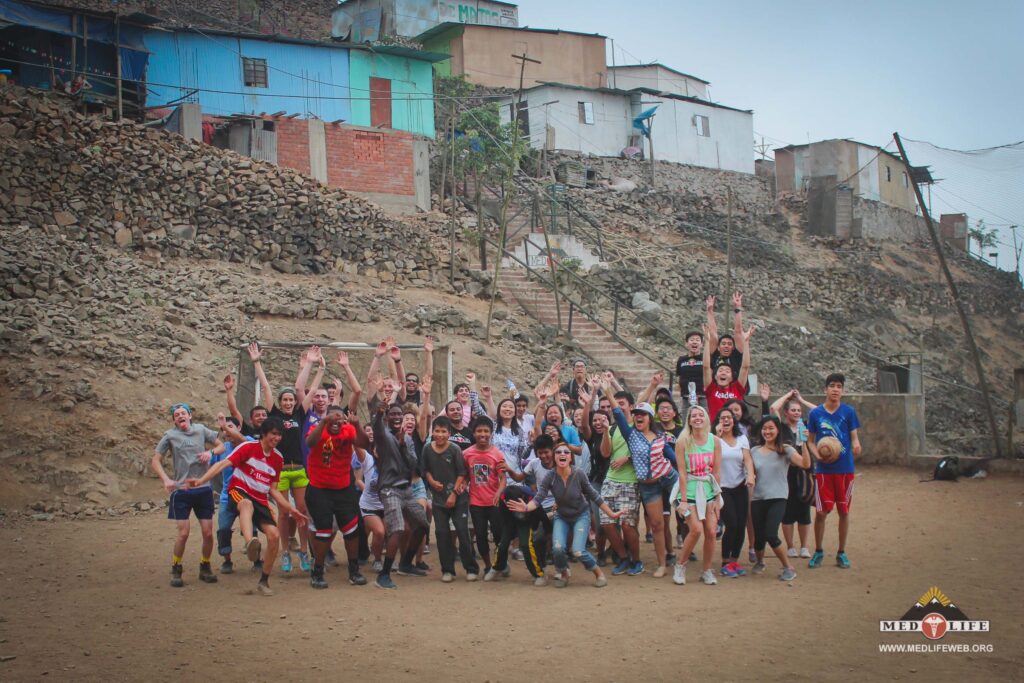
Making Student Travel Ethical and Impactful
Not all student travel leads to meaningful exchange. Programs must be designed intentionally, with local leadership, reciprocal partnerships, and a clear educational framework. Engaged Education prioritizes:
- Working with local educators and community leaders
- Embedding reflection and structured learning
- Avoiding savior narratives or one-off volunteering
- Emphasizing listening, learning, and humility
When students are prepared to listen and reflect, even a simple moment such as helping cook a traditional meal or attending a local workshop can shift how they understand culture, power, and place. Explore our insights on how to enhance student development through service learning.
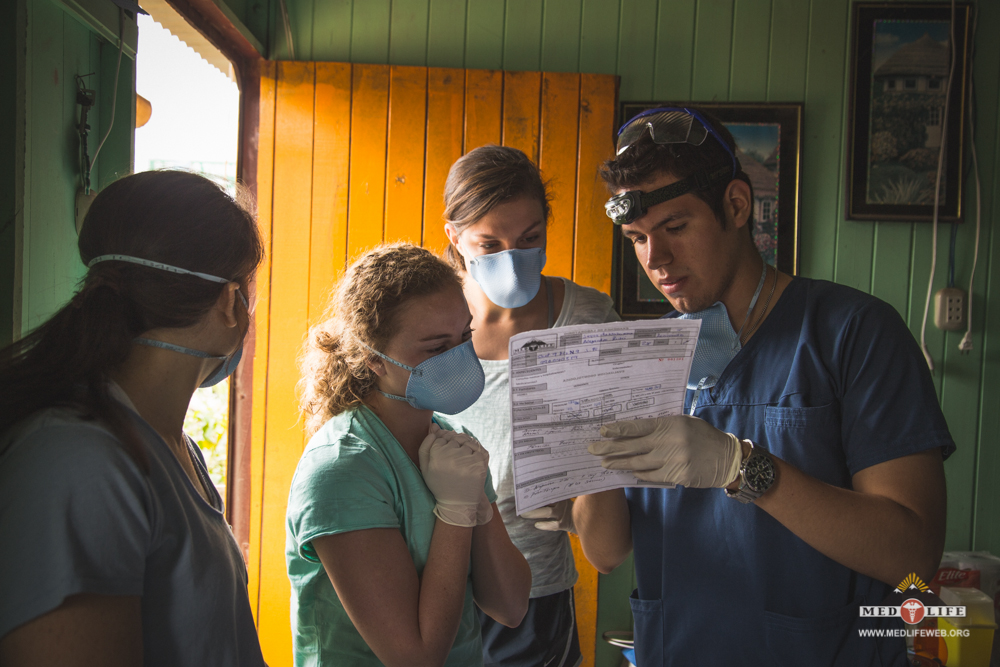
Real Impact, Real Learning
Students often return home with more questions than answers. And that is the goal. Cultural exchange should spark curiosity, not certainty. It should encourage students to keep learning, to stay humble, and to seek deeper understanding long after the trip ends.
Whether they go on to study international relations, become healthcare workers, or lead in their local communities, students who have truly engaged in global education are more likely to do so with integrity and care.
Engaged Education - Transformative Educational Travel Experiences
Every Engaged Education trip is built on cultural exchange, ethical reflection, and community collaboration. We believe travel should empower both students and the communities they visit.
Take the next step and explore our brochure. And for less than the cost of one coffee a month, you can help expand access to education and healthcare in underserved areas by becoming a monthly donor.