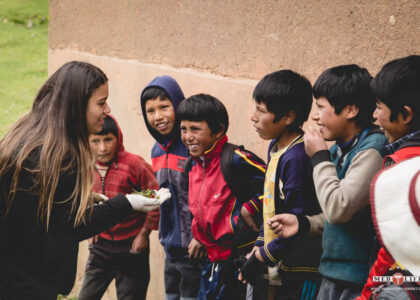

Exchange programs for high school students can shape how young people see the world and their place in it. In 2026, families and educators are looking for more than travel. They are looking for structured, ethical experiences that help students grow academically and personally.
Picture a student sharing dinner with a host family in Quito, asking questions in Spanish about daily life, school, and local traditions. The conversation is not scripted. It is thoughtful, sometimes challenging, and deeply human. This is what a strong cultural exchange experience should feel like.
The best programs move beyond sightseeing. They integrate academic themes, guided reflection, and collaboration with local educators and community partners. Students are encouraged to listen carefully, participate respectfully, and connect what they are learning abroad to their studies at home.
If you are considering an international experience next year, here is what to look for in a high-quality cultural exchange opportunity.
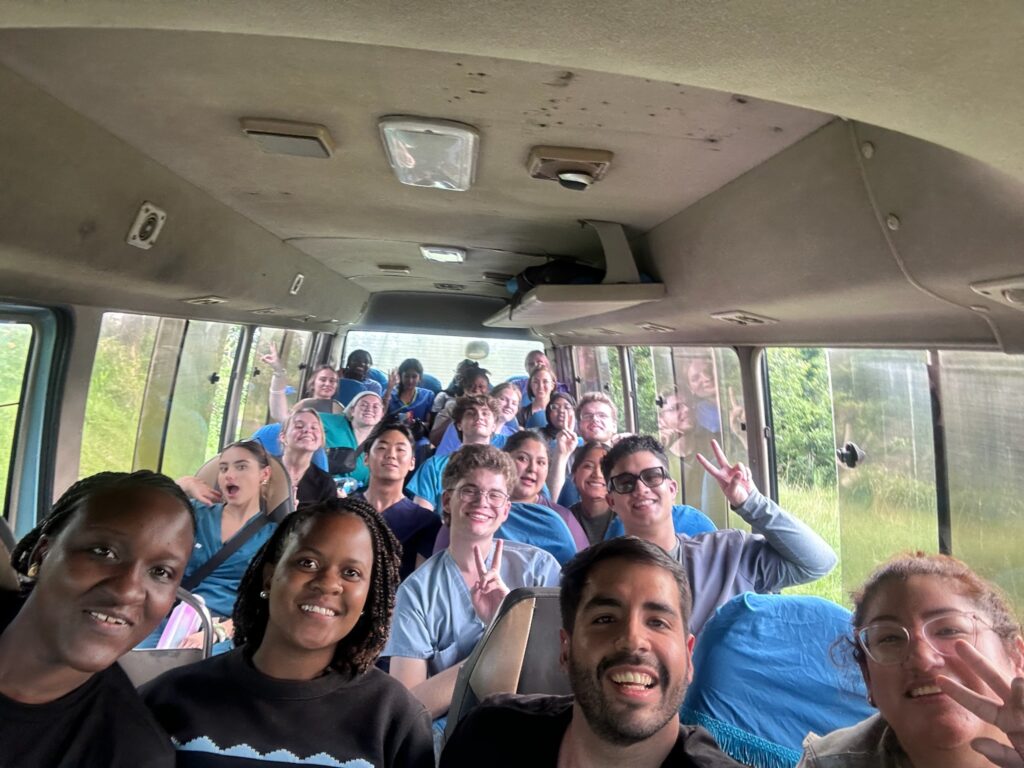
What Makes the Best Exchange Programs for High School Students?
Not all exchange programs for high school students offer the same depth. The most impactful programs share several key features:
- Structured educational curriculum tied to global themes
- Safe and supervised homestay experiences
- Guided reflection and mentorship
- Collaboration with local educators and community leaders
- Emphasis on cultural humility and responsibility
A strong cultural exchange program creates space for students to ask questions, listen actively, and build relationships across differences. It moves beyond tourism and encourages thoughtful participation.
Programs rooted in educational goals, such as those described in Educational Travel Programs: Learn Beyond the Classroom, help students connect travel to academic subjects like history, language, Global Health, and Sustainable Development.
Cultural Exchange Program vs Traditional Study Abroad
A traditional study abroad experience often focuses primarily on classroom instruction. An international cultural exchange program integrates learning with daily life.
Students might:
- Stay with host families
- Participate in language immersion sessions
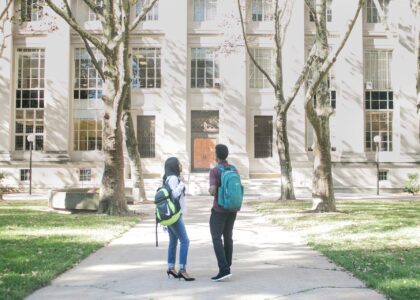
- Visit local schools or universities
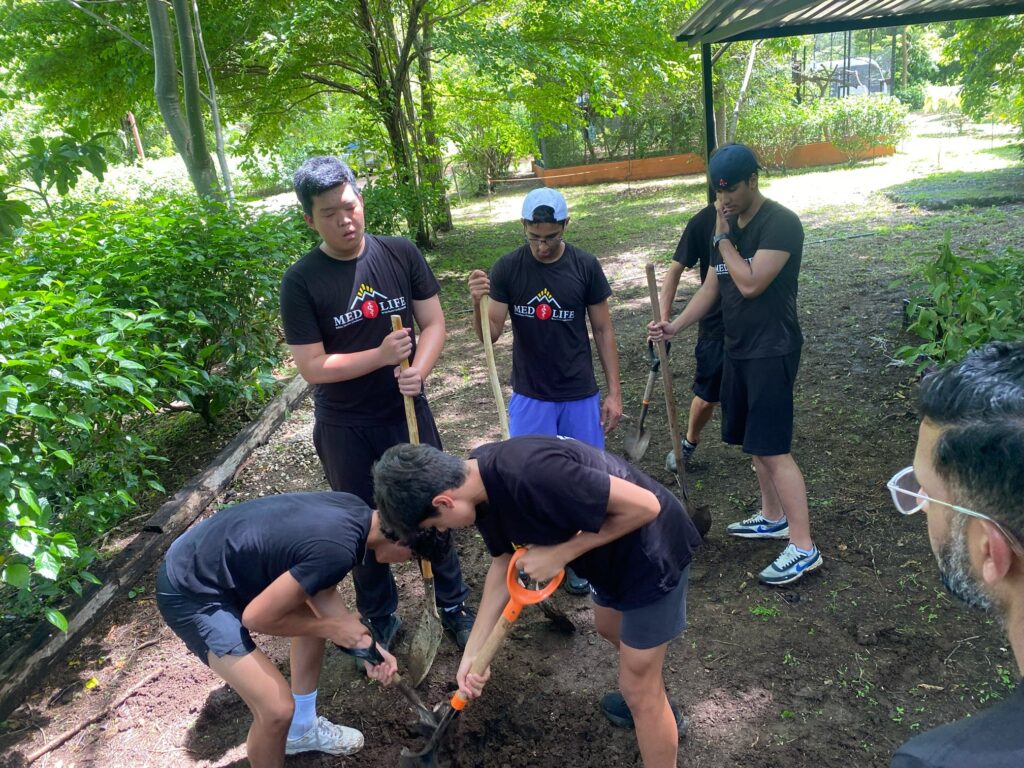
- Engage in community-based projects
- Reflect in small group discussions
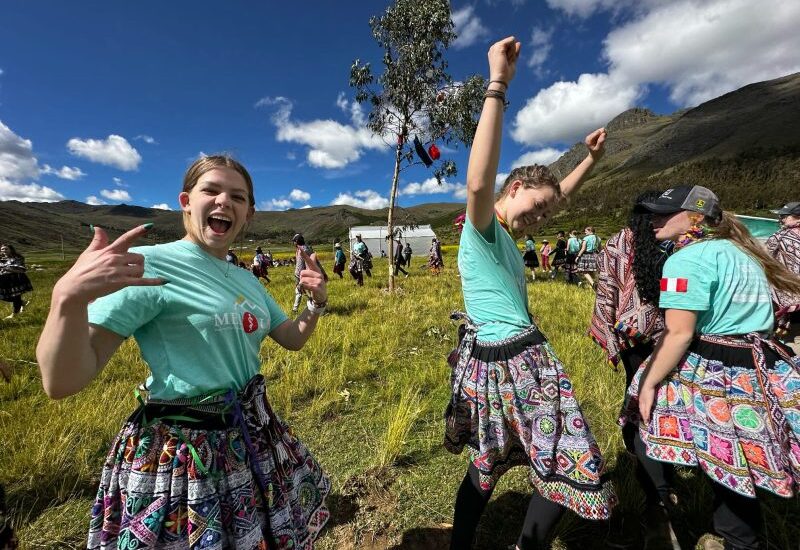
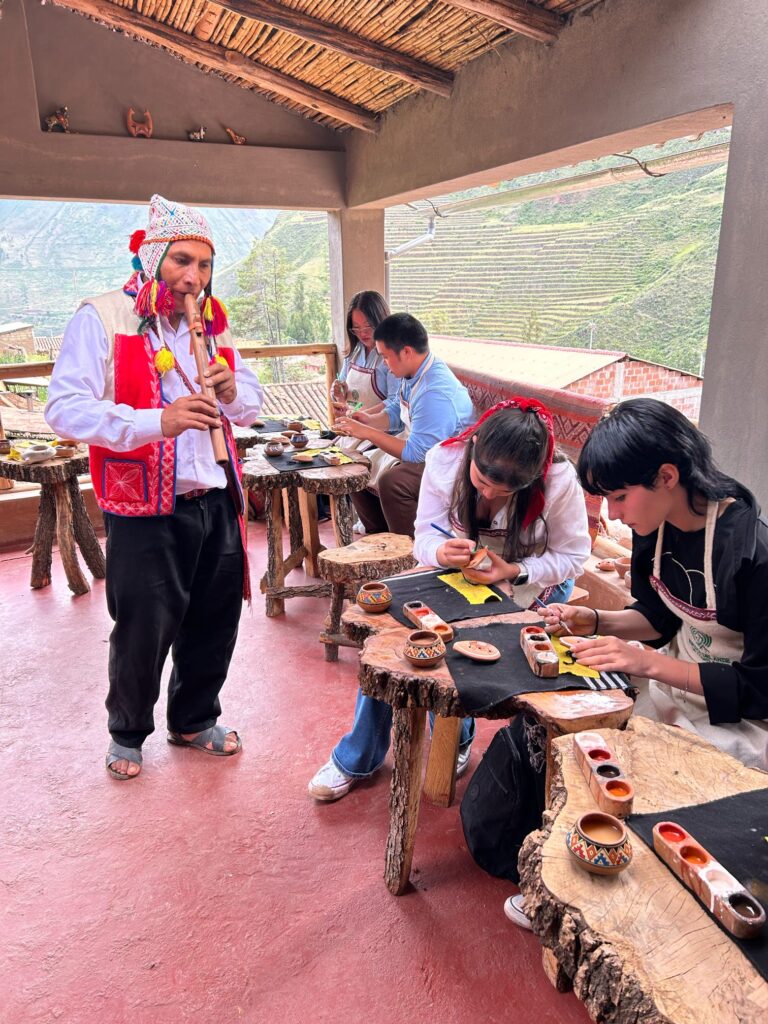
For example, programs in Peru and Ecuador often combine Spanish language practice with exploration of Indigenous history and local development initiatives. Articles like Discovering Peru’s Culture: An Educational Expedition and Immersive Journey in the Ecuadorian Andes show how structured travel deepens cultural understanding.
The difference is intention. Students are guided to connect what they see to broader global systems and personal growth.

Academic and Personal Benefits in 2026
In 2026, colleges are increasingly interested in students who demonstrate initiative and global awareness. Participating in exchange programs for high school students can support:
- Stronger college essays grounded in real experience
- Increased cultural competence
- Improved language skills
- Leadership and adaptability
- Clearer academic direction
If you are thinking about long-term academic impact, read How Educational Travel Adventures Enhance College Applications and How to Develop Leadership Skills Through International Travel.
Students who engage deeply in a cultural exchange program often return home with new interests in public health, environmental studies, education, or international relations.
Safety, Structure, and Ethical Engagement
Families understandably prioritize safety and supervision. The best exchange programs for high school students in 2026 provide:
- Experienced on-site coordinators
- Clear health and safety protocols
- Pre-departure preparation
- Ongoing communication with families
You can explore safety standards in Safety First: How Engaged Education Ensures Safe Travels for Students.
Equally important is ethical engagement. A responsible international cultural exchange program works in partnership with local communities. Students are not positioned as problem solvers. They are learners participating in thoughtfully designed educational experiences.
To better understand responsible travel principles, review Sustainable Travel and Tourism Practices for Student Groups.
Choosing the Right Program for 2026
When evaluating exchange programs for high school students, ask:
- What are the academic objectives?
- How are local partners involved?
- What reflection and mentorship are included?
- How does the program support cultural competence?
The right program should challenge students while providing strong support systems. It should encourage curiosity, responsibility, and meaningful connection.
Engaged Education - Transformative Educational Travel Experiences
If you are ready to explore a structured and ethical cultural exchange program for 2026, start your journey by downloading our brochure:
If you want to expand access to educational travel opportunities for more students, you can directly assist communities in need by becoming a monthly donor. For less than one coffee a month, you can help support sustainable initiatives in low-income communities.