
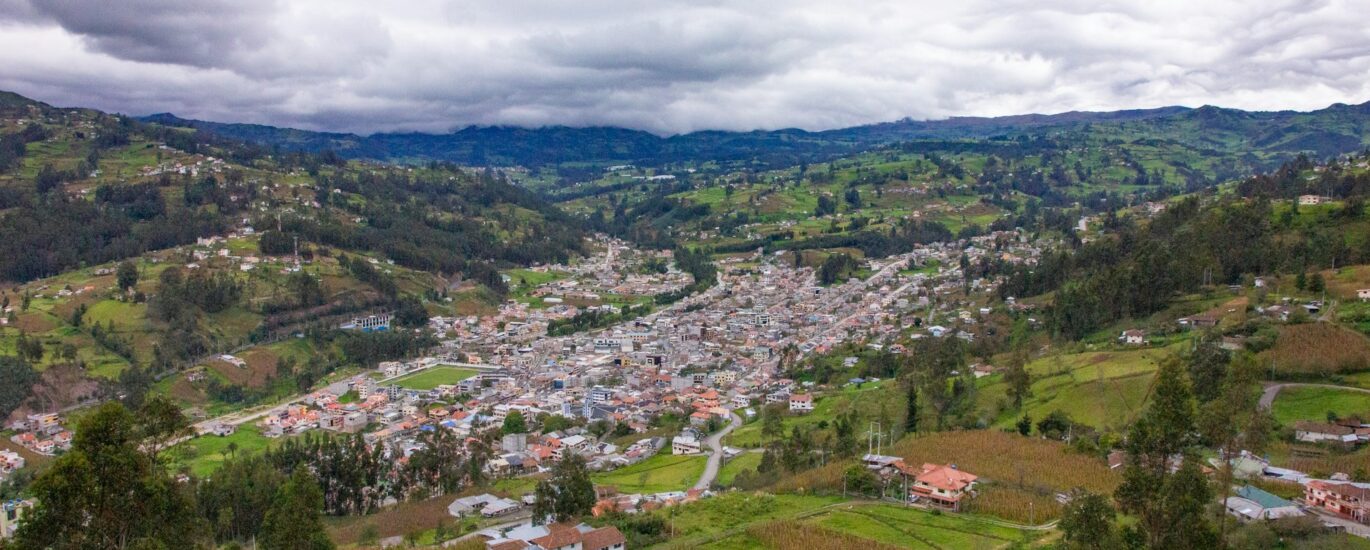
On the streets of Lima, students shadow local doctors navigating public hospitals, where long lines and limited supplies reflect broader systemic challenges. Meanwhile, in the highlands of Ecuador, others learn how steep, unpaved roads can mean life-or-death delays for rural patients. These contrasting scenes offer powerful lessons, showing that educational field trips are about much more than just travel. They are immersive experiences that connect theory to real-world inequities.
When thoughtfully designed, educational trips for students can provide a deeper understanding of public health, infrastructure, education access, and social equity. But the setting matters. Urban and rural environments offer distinct perspectives, and both play a vital role in shaping globally conscious learners.
Lessons from the City: Systems, Scale, and Social Gaps
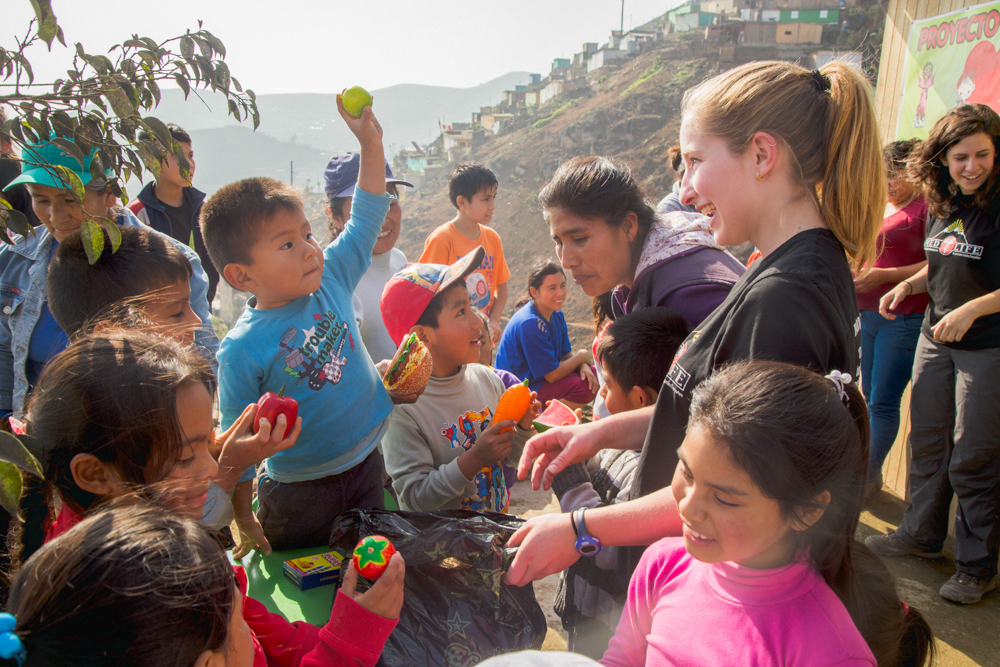
In urban settings like Lima or Quito, students witness the scale and complexity of development challenges. During field visits, they may observe overflowing clinics, interview local policy leaders, or navigate dense neighborhoods that lack clean water.
These experiences reveal how cities struggle with resource distribution, population growth, and income inequality. Students come away understanding not just individual needs but how large systems impact communities. One SLT participant described the shock of seeing a child with asthma living next to a garbage-burning site, a firsthand look at how environment and health collide.
Urban educational field trips also expose students to a range of professional roles: health workers, urban planners, educators, and community organizers. They begin to see the power of cross-sector collaboration and start to think critically about policy, infrastructure, and equity. These experiences reflect the lessons described in History of Peru: Exploring Social Challenges and Andean Ecology.
Insights from Rural Communities: Resilience and Access
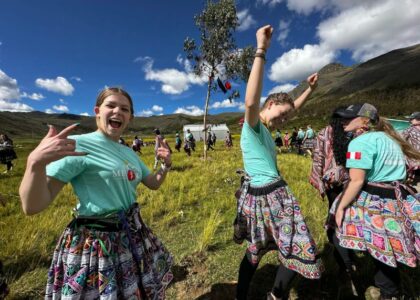
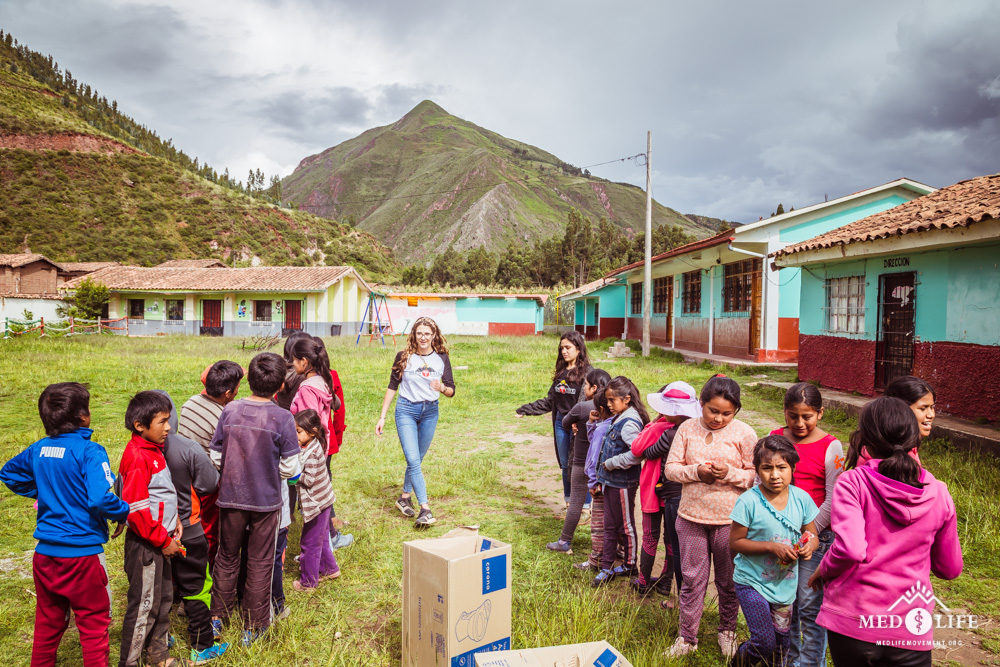
Rural field experiences, on the other hand, often highlight resilience, cultural depth, and the challenges of geographic isolation. In communities like Secsencalla or Otavalo, students might hike to remote homes, assist in mobile clinics, or help construct staircases to improve daily safety.
These immersive moments show the tangible impact of community development and the importance of proximity to services. For example, a visit to a community greenhouse project might reveal how food insecurity is addressed through local innovation.
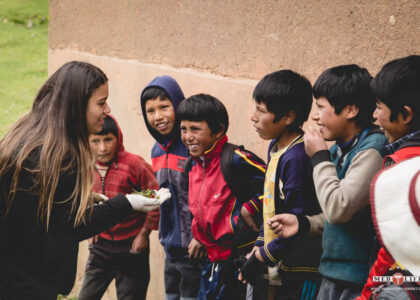
Rural educational trips for students foster appreciation for the ingenuity and strength of communities often overlooked in traditional textbooks. They also create space for more meaningful cultural exchange, such as helping children learn through hands-on experiences, as described in Volunteering in Schools: What It’s Like to Help Kids Learn in Another Language.
Comparing Educational Field Trip Ideas
When planning educational field trip ideas, it’s important to match the learning goals with the environment. Urban trips may be ideal for studying systems, policies, and institutions. Rural trips often focus on hands-on service, cultural immersion, and understanding development at the grassroots level.
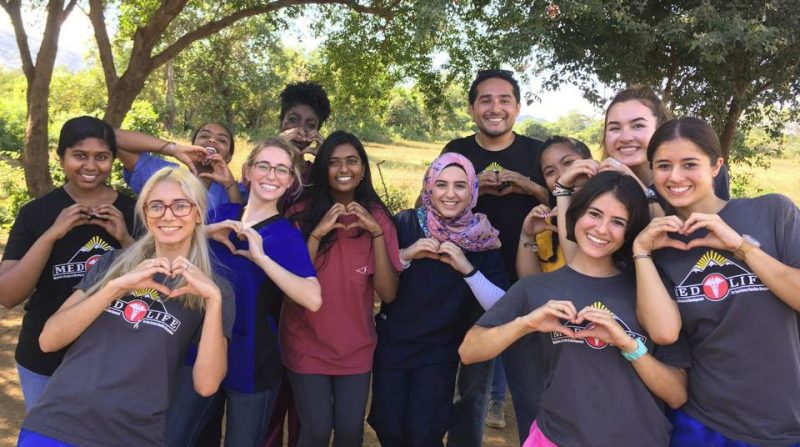
MEDLIFE’s Service Learning Trips (SLTs) offer both. In cities, students might learn from public health campaigns or school-based interventions. In rural areas, they might assist with sanitation infrastructure or health screenings in hard-to-reach zones.
This variety is key to developing well-rounded, ethical global citizens. A student who sees both realities returns home not just more informed, but more compassionate and committed to change. These kinds of growth experiences are explored further in How to Enhance Student Development Through Service Learning.
Why Both Perspectives Matter
Global health and development are not one-size-fits-all. What works in an urban district may fail in a remote village. By exposing students to both environments, educational field trips build a deeper, more nuanced understanding of how geography, infrastructure, and culture intersect.
One day a student may witness a hospital on the brink of collapse in a city, and the next, learn how a rural family built a water tank using repurposed materials. These contrasts don’t just teach. They transform. This is why building emotional intelligence and compassion is central to Educational Tours as a Tool for Teaching Empathy & Understanding.
Engaged Education - Transformative Educational Travel Experiences
Start your journey by downloading our brochure to explore ethical, immersive travel experiences that prioritize learning and local leadership.
Support ongoing education and infrastructure projects by becoming a monthly donor to MEDLIFE.