
To truly learn a language, you have to use it in real life. Vocabulary lists and grammar drills help, but they are not enough.
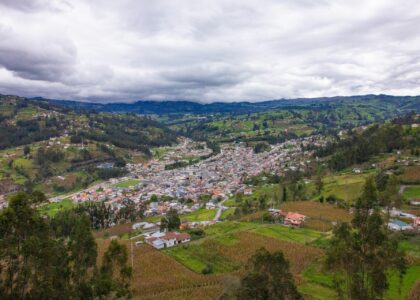
Picture yourself in a market in Cusco, Peru. You ask a vendor about the ingredients in a traditional dish. She answers quickly. You listen carefully, respond with what you know, and adjust when needed. Around you, conversations continue naturally. You are not thinking about verb charts. You are communicating.
That shift is why cultural immersion is often the best way to learn a language. It turns language from an academic subject into a daily tool for connection.
Why Immersion Language Learning Works
practicing scripted conversations, you respond to real situations.
When you are surrounded by the language each day, you use it to:
- Order food
- Navigate transportation
- Speak with host families
- Collaborate with local peers
- Participate in community activities
Language becomes necessary. You learn tone, body language, humor, and regional expressions. You also begin to understand how culture shapes communication.
Engaged Education programs integrate structured lessons with hands-on cultural experiences. Students might study Spanish in the morning and then apply it during a community visit or historical tour in the afternoon. This immediate practice reinforces learning in a way that a classroom alone cannot.
If you are interested in the long term benefits, read Resume Boosters: How Language Immersion Programs Enhance Career Prospects.
Immersion Language Learning and Purpose-Driven Travel
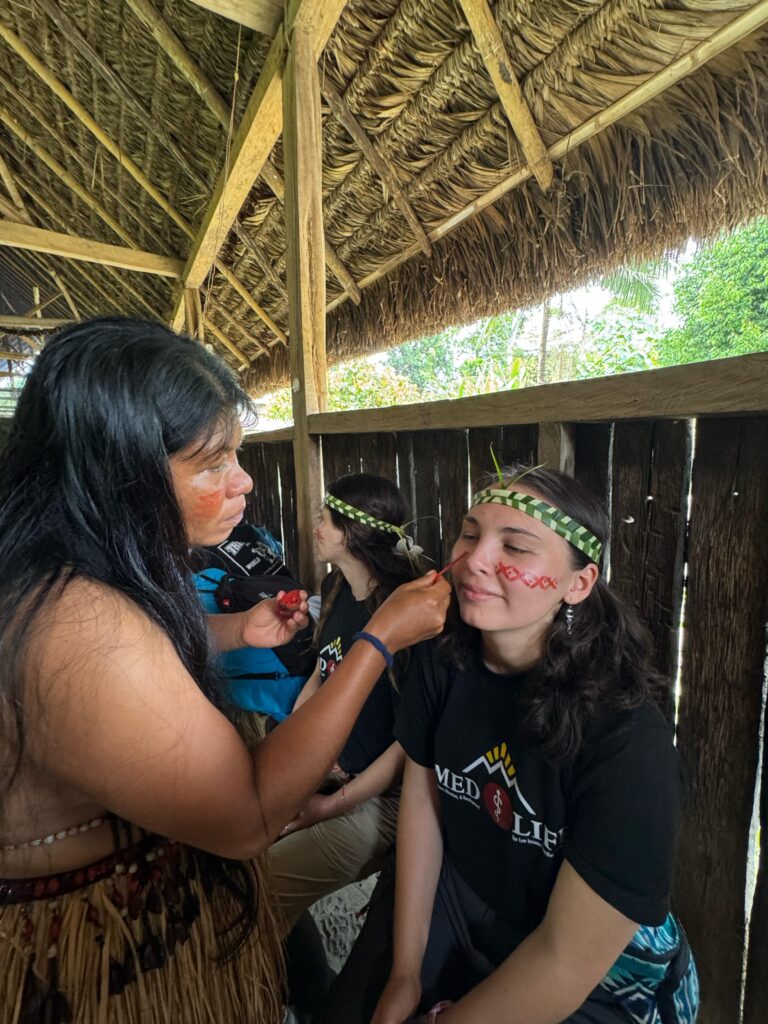
At Engaged Education, immersion is structured and intentional. Students engage with local communities through educational exchanges and service learning designed in partnership with community leaders.
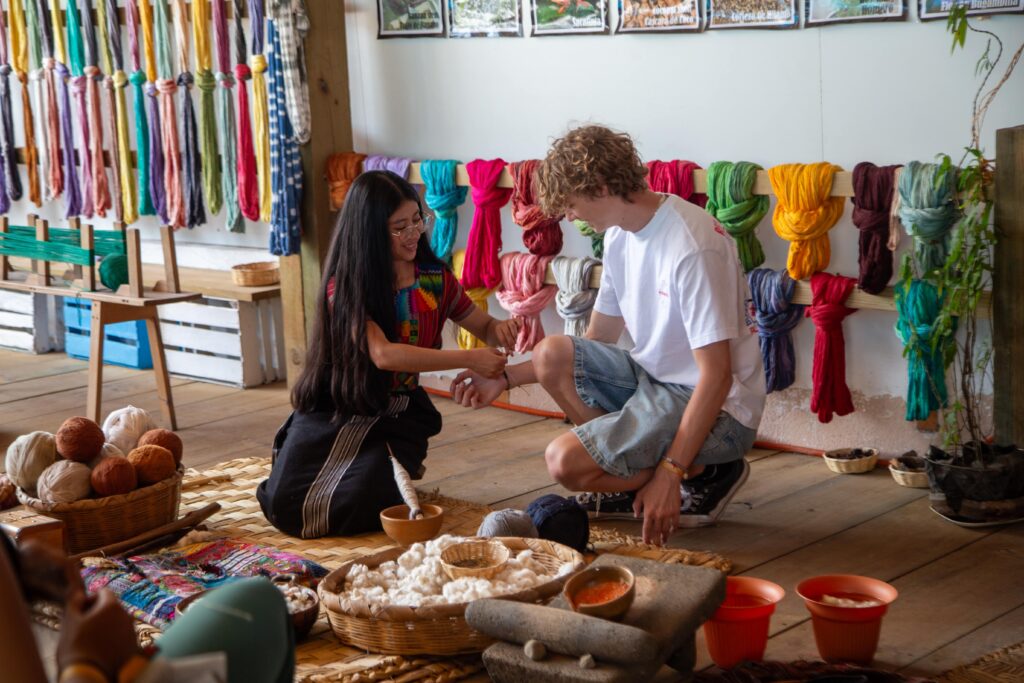
Language is practiced while exploring history, participating in cultural workshops, and collaborating on community-based initiatives. This approach connects language to Global Health, Sustainable Development, and community engagement.
To understand how travel supports academic and personal growth, explore Educational Travel Programs: Learn Beyond the Classroom and The Role of Service Learning Programs in Student Growth and Global Citizenship.
Through immersion language learning, students build:
- Cultural awareness
- Adaptability
- Active listening skills
- Confidence in unfamiliar environments
These skills support academic success and prepare students for careers in healthcare, education, business, and international development.
Cultural Competence and Long-Term Impact
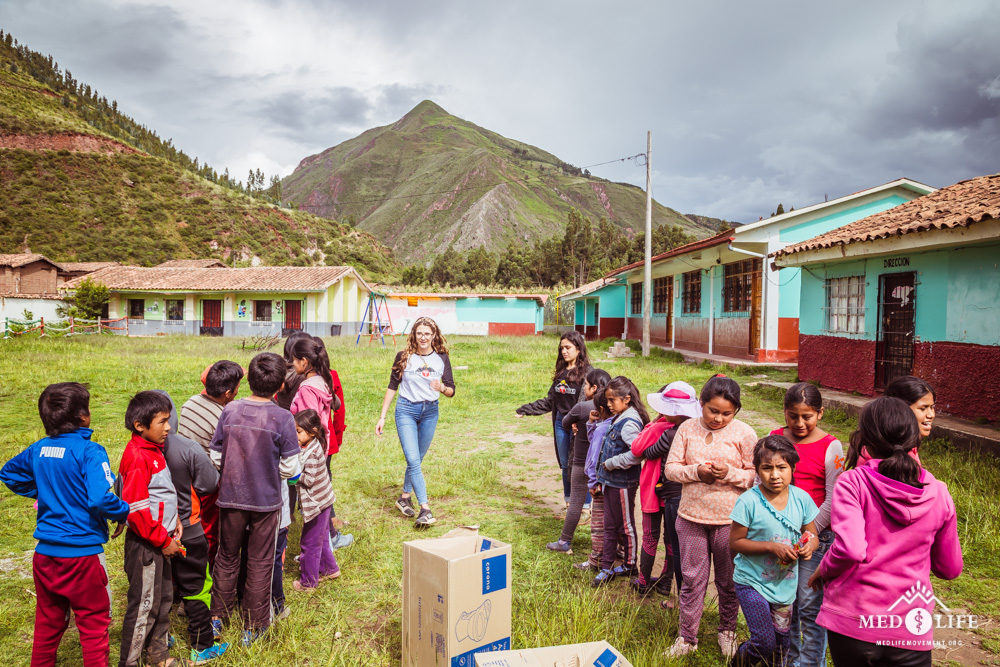
When you learn a language abroad, you also develop cultural competence. You begin to understand how history, values, and social norms influence communication.
Our article on Cultural Competence Through Travel: Why It Matters in Today’s Global Economy explains why this matters for students pursuing Global Health and other internationally focused careers.
Language learning through immersion builds patience and humility. You learn to listen closely and ask thoughtful questions. You become more comfortable navigating differences.
For students preparing for their first experience abroad, read How to Prepare Students for International Travel offers practical guidance.
From Vocabulary to Perspective
At first, your goal may be to pass an exam or improve pronunciation. After cultural immersion, your focus often shifts.
You begin noticing how language reflects identity. Regional phrases carry history. Everyday expressions reveal shared values. Communication becomes more than correct grammar. It becomes understanding.
Engaged Education - Transformative Educational Travel Experiences
If you want to learn a language in a way that is active, relational, and grounded in real experience, immersion offers a clear path forward.
Start your journey by downloading our brochure.
If you would like to expand access to ethical, community-centered educational travel, you can directly assist communities in need by becoming a monthly donor. For less than one coffee a month, you can help support sustainable initiatives in low-income communities.