
Imagine standing in a crowded market in Cusco, Peru. You are trying to order lunch in Spanish while a vendor explains the ingredients of a local dish. At first, you hesitate. Then you respond with the vocabulary you know, listen carefully, and adjust as the conversation continues. By the end of the interaction, you have learned more practical Spanish in five minutes than you might during an hour of memorizing flashcards.
That is the power of language immersion tours.
Instead of treating language as a school subject, immersion transforms it into a daily tool for communication, connection, and cultural understanding. Students begin learning through real experiences: navigating transportation, speaking with host families, participating in cooking classes, and collaborating during community activities. The result is faster comprehension, greater confidence, and more natural fluency.
At Engaged Education, language learning is rooted in hands-on experiences, cultural exchange, and ethical educational travel. Whether students are exploring Peru, Costa Rica, or other Spanish-speaking destinations, they are constantly practicing the language in authentic settings that make learning feel immediate and meaningful.

Why Language Immersion Tours Work Faster Than Traditional Learning
Traditional classrooms are valuable for building grammar and vocabulary foundations, but language becomes much easier to retain when students actively use it throughout the day.
During Spanish language immersion experiences, students practice speaking in situations where communication matters. They ask for directions, order meals, speak with local guides, and participate in cultural workshops. This type of repetition strengthens listening skills and improves pronunciation naturally.
Students also begin thinking in Spanish more quickly because they are surrounded by the language. Signs, conversations, menus, music, and daily interactions all reinforce learning in ways textbooks cannot replicate.
For many travelers, this becomes the best way to learn Spanish. Instead of memorizing isolated vocabulary words, students associate language with experiences, emotions, and relationships. Those connections help information stick long after the trip ends.
Programs that combine classroom instruction with real-world application are especially effective. Engaged Education integrates lessons with cultural activities and community engagement so students can immediately apply what they learn.
If you want to understand how immersion connects to academic and professional growth, explore Resume Boosters: How Language Immersion Programs Enhance Career Prospects.
Real-World Practice Builds Confidence Faster
One of the biggest challenges language learners face is confidence. Many students know vocabulary and grammar rules but hesitate when speaking aloud.
Immersion changes that quickly.
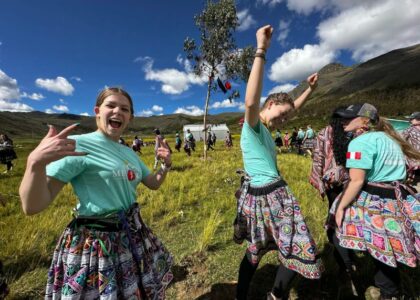
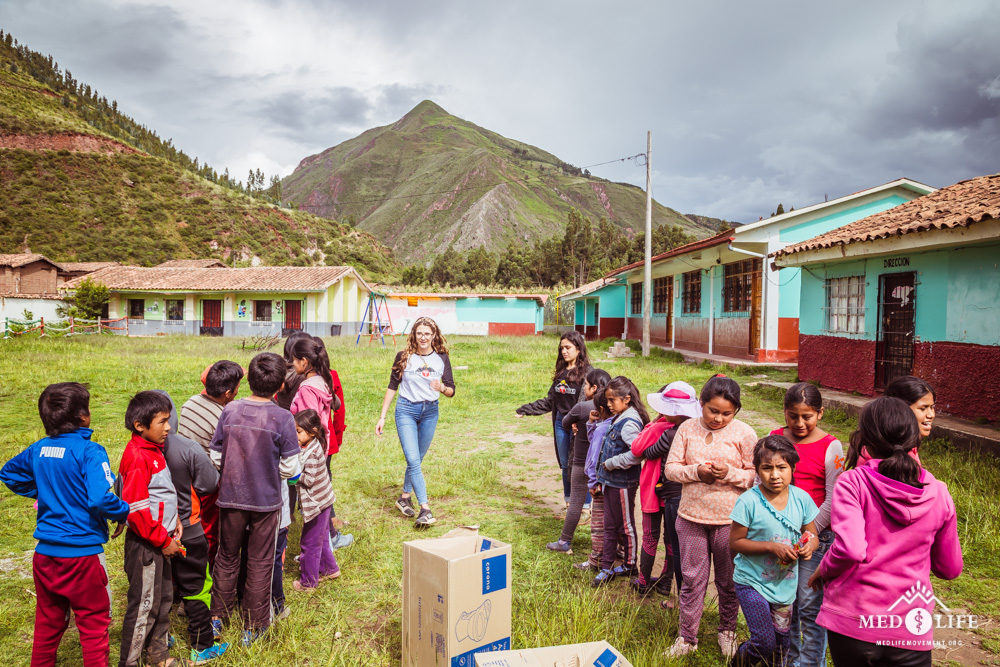
During a Peru language immersion tour itinerary, students might spend the morning practicing Spanish in local markets and the afternoon participating in cultural workshops or community visits. Every interaction becomes an opportunity to practice listening and speaking naturally.
In Lima, students participating in a market challenge for Spanish practice use Spanish to interact with vendors, order food, and navigate unfamiliar spaces. These experiences push learners beyond memorization and into practical communication.
Similarly, students in a Cusco language immersion program may participate in cooking classes, dance workshops, and local festivals entirely in Spanish. These immersive activities expose travelers to regional accents, expressions, and cultural traditions while reinforcing vocabulary through repetition.
This constant interaction accelerates fluency because students are emotionally engaged in the experience. Language becomes part of the adventure rather than another classroom assignment.
Cultural Immersion Deepens Language Learning
Learning a language is also about understanding the people and cultures connected to it.
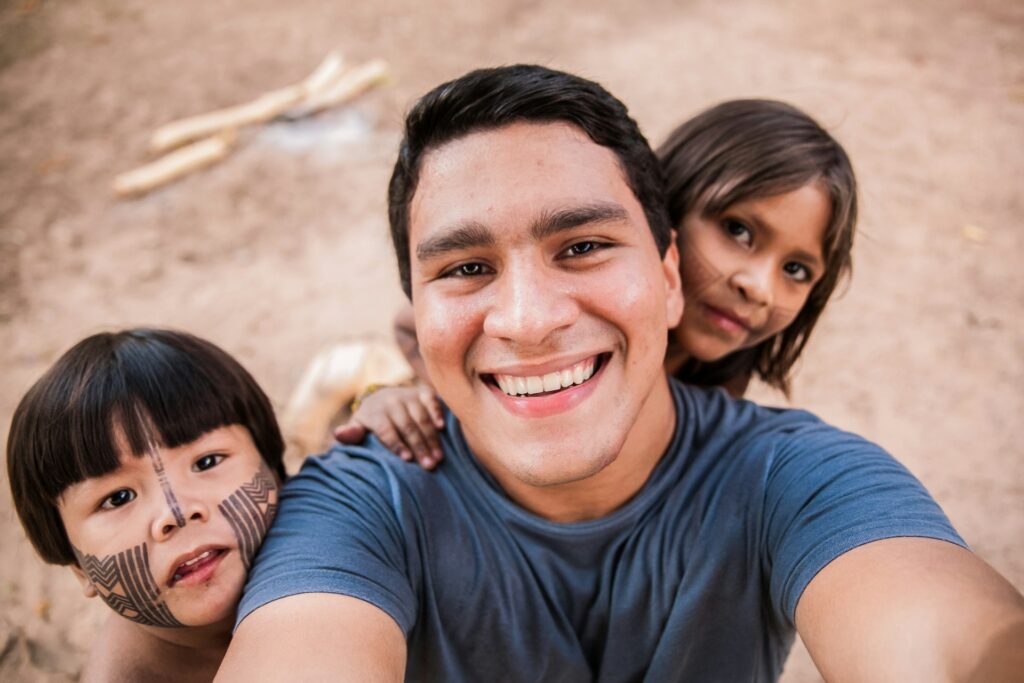
That is why cultural immersion is such an important part of effective language education. Students begin recognizing humor, gestures, conversational tone, and local customs that shape communication.
In Costa Rica, students participating in Spanish immersion programs in Costa Rica practice Spanish while experiencing the country’s Pura Vida culture. Activities like cooking classes, market visits, and community projects help learners understand how language and culture work together.
These experiences also encourage adaptability and empathy. Students become more comfortable navigating unfamiliar environments and communicating across cultural differences.
Engaged Education emphasizes thoughtful, educational travel experiences rather than passive tourism. Students are encouraged to listen, learn from local leaders, and engage respectfully with the communities they visit.
This type of learning often leaves a lasting impact that extends far beyond language acquisition.
For more on the role of immersion in language education, read Why Cultural Immersion Is the Best Way to Learn a Language Abroad.
Spanish Language Immersion Programs Create Meaningful Learning Experiences
The best Spanish language immersion programs are designed around active participation.
At Engaged Education, students are not isolated in classrooms for hours each day. Instead, language instruction is integrated into educational travel experiences that encourage curiosity, collaboration, and reflection.
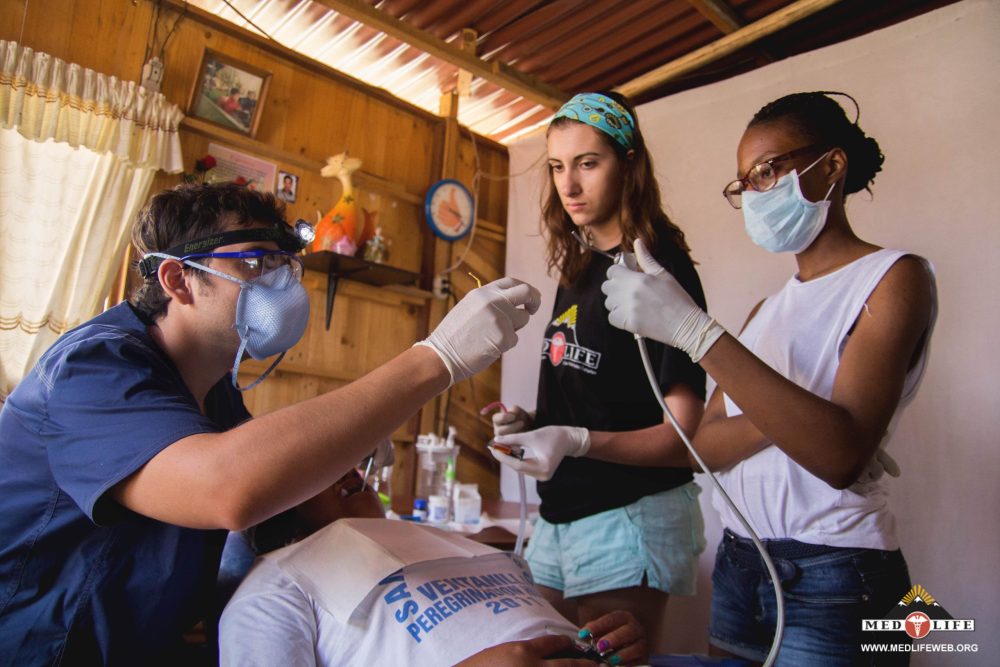
For example, service and language immersion in San Jose combines Spanish lessons with cultural exploration and community engagement. Students may spend part of the day practicing grammar and conversation, then apply those skills during local interactions or service projects.
This balance of structured learning and experiential education helps students develop stronger communication skills while also building independence and cultural awareness.
Students often return home with:
- Greater conversational confidence
- Improved listening comprehension
- Stronger adaptability and problem-solving skills
- Increased cultural competence
- A deeper appreciation for global perspectives
These are skills that benefit students academically, professionally, and personally.
Programs like these also support broader educational goals tied to Global Health, Sustainable Development, Ethical Volunteering, and Community Empowerment. Students learn that travel can be both educational and collaborative when approached with humility and respect.
To continue practicing after returning home, students can explore ideas like fun Spanish club activities that reinforce vocabulary and cultural learning through cooking, music, and conversation.
Why Immersion Leads to Long-Term Retention
One reason immersion works so effectively is because it engages multiple forms of learning simultaneously.
Students are:
- Hearing Spanish constantly
- Speaking in real conversations
- Reading signs and menus
- Associating vocabulary with physical experiences
- Connecting language to emotions and memories
This combination strengthens long-term retention far more effectively than passive memorization alone.
Travel experiences also create memorable emotional moments. Students often remember the first successful conversation they had with a host family or the excitement of navigating a market independently in Spanish. Those memories reinforce learning in powerful ways.
As students become more comfortable communicating, they begin taking risks with the language. They experiment with new phrases, ask more questions, and participate more actively in conversations. This confidence growth is one of the fastest pathways toward fluency.
Learning Through Experience
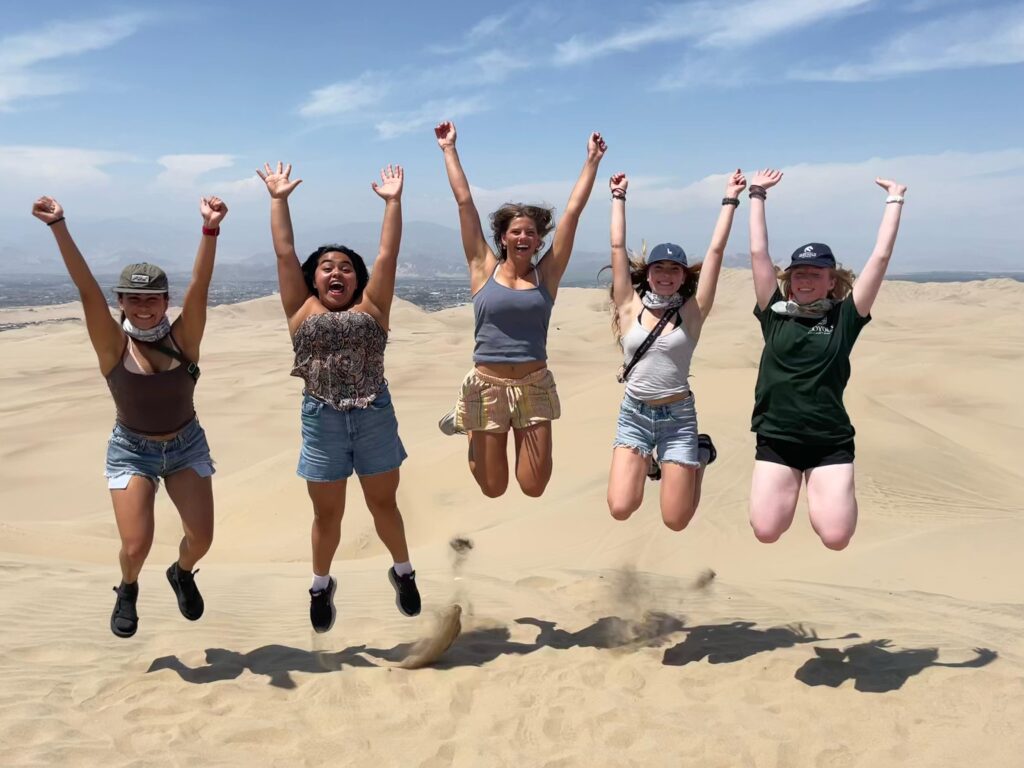
The fastest way to learn a language is to live it.
That is what makes language immersion tours so effective. Students are not simply studying vocabulary lists. They are engaging with people, navigating new environments, and building meaningful connections through language every day.
Engaged Education - Transformative Educational Travel Experiences
At Engaged Education, these experiences combine educational travel, cultural immersion, and hands-on learning in ways that encourage both personal growth and language development.
Whether students are exploring Peru’s historic streets, participating in community-based activities in Costa Rica, or learning through cultural workshops and conversations, they gain practical communication skills that stay with them long after the journey ends.
If you are ready to explore educational travel through immersive language learning, you can download the Engaged Education brochure to learn more about upcoming programs.
You can also directly support sustainable, community-driven educational experiences by becoming a monthly donor.