

A classroom can teach grammar, but it can’t simulate the moment a student navigates a local market, asks for directions in a new language, or shares a story with a host family. That’s the difference educational travel makes. It moves language out of the textbook and into real life.
Whether you’re a high school student beginning your Spanish journey or a future educator enhancing your communication skills, travel offers the most dynamic path to fluency. The immersive environment, cultural context, and daily practice transform vocabulary drills into meaningful conversation.
Why Language Learning Needs More Than a Classroom
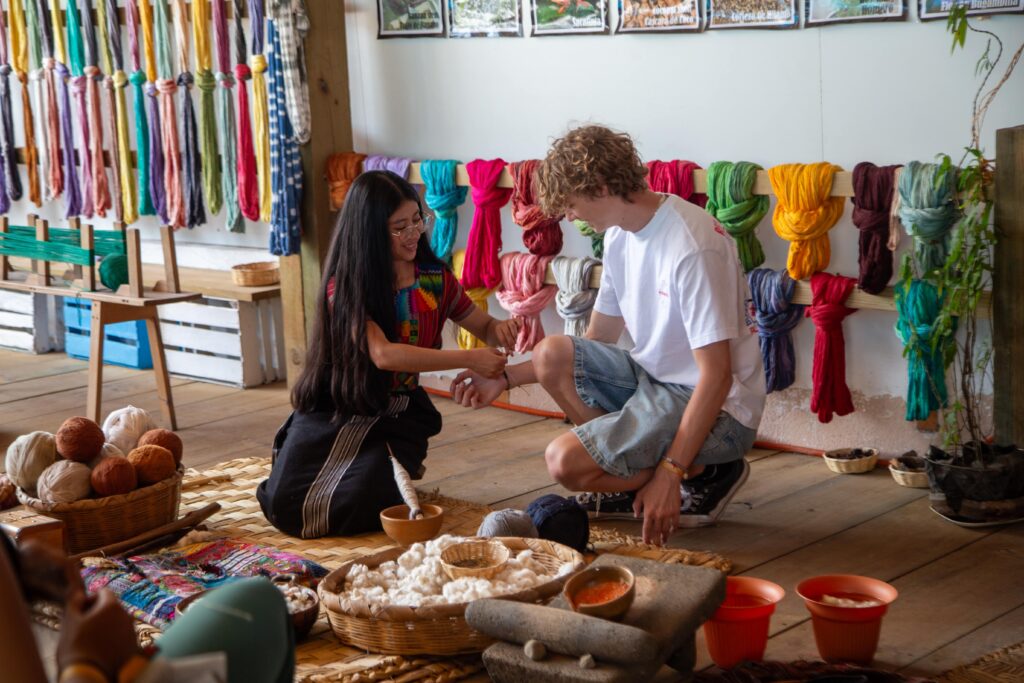
Traditional instruction often emphasizes rules and repetition. While foundational, this approach lacks cultural nuance and spontaneous practice. In contrast, educational travel immerses students in the language through daily interactions, from ordering lunch to discussing social issues with local guides.
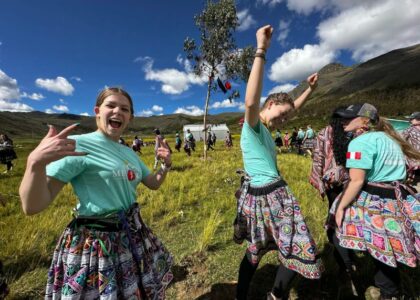
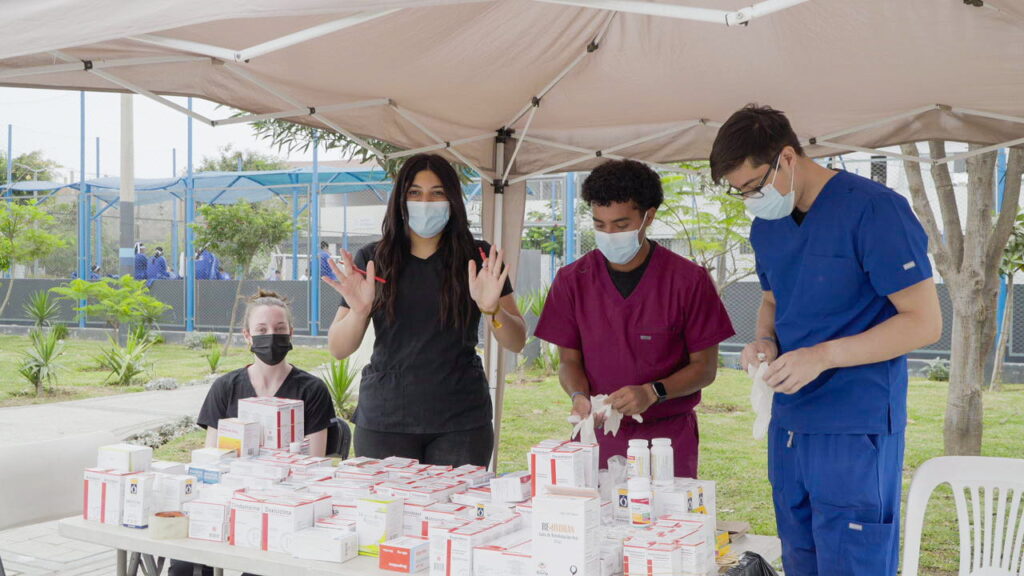
These natural exchanges challenge learners to adapt, listen carefully, and respond in real time. A student on a Service Learning Trip in Cusco, for instance, might start the week shyly repeating phrases, but by Friday, they’re confidently chatting with children during a community health workshop.
This progression reflects what language immersion programs are designed to offer: accelerated growth through experience.
The Role of Educational Travel in Learning Spanish
To learn Spanish, students must go beyond vocabulary lists. Cultural context, accent variation, body language, and local slang are essential parts of real-world communication.
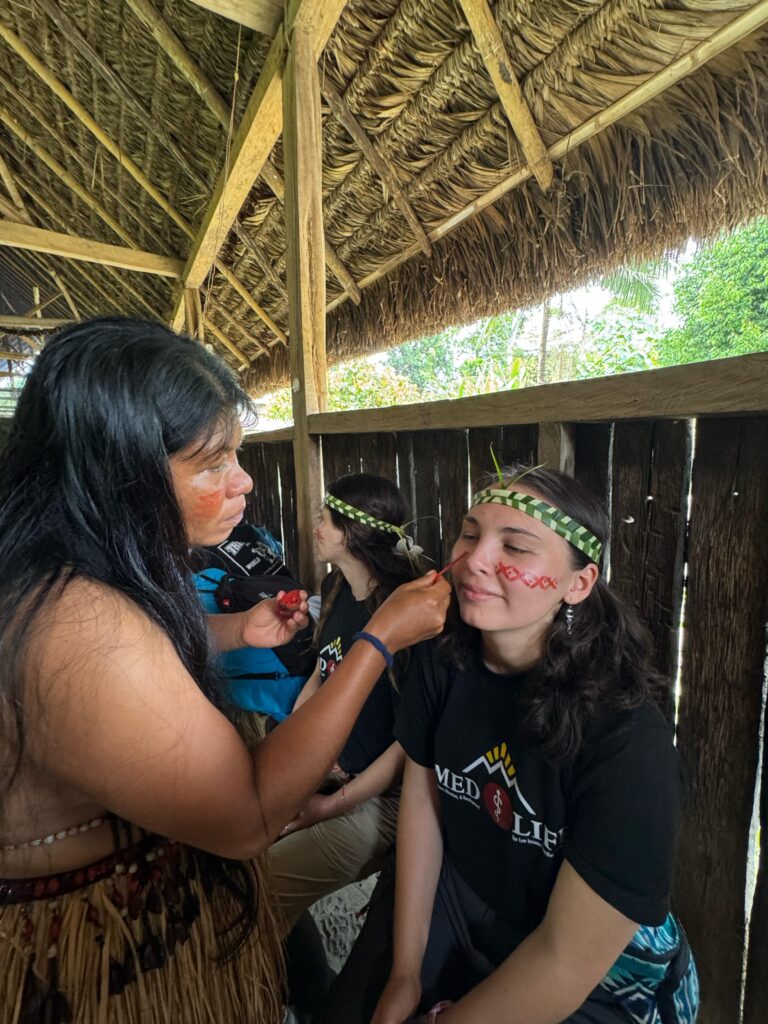
Through educational travel programs, students are exposed to these elements in a respectful, ethical setting. MEDLIFE’s trips across Peru and Ecuador, for example, provide structured opportunities to engage in Spanish, from interpreting during clinic intake to participating in group reflections.
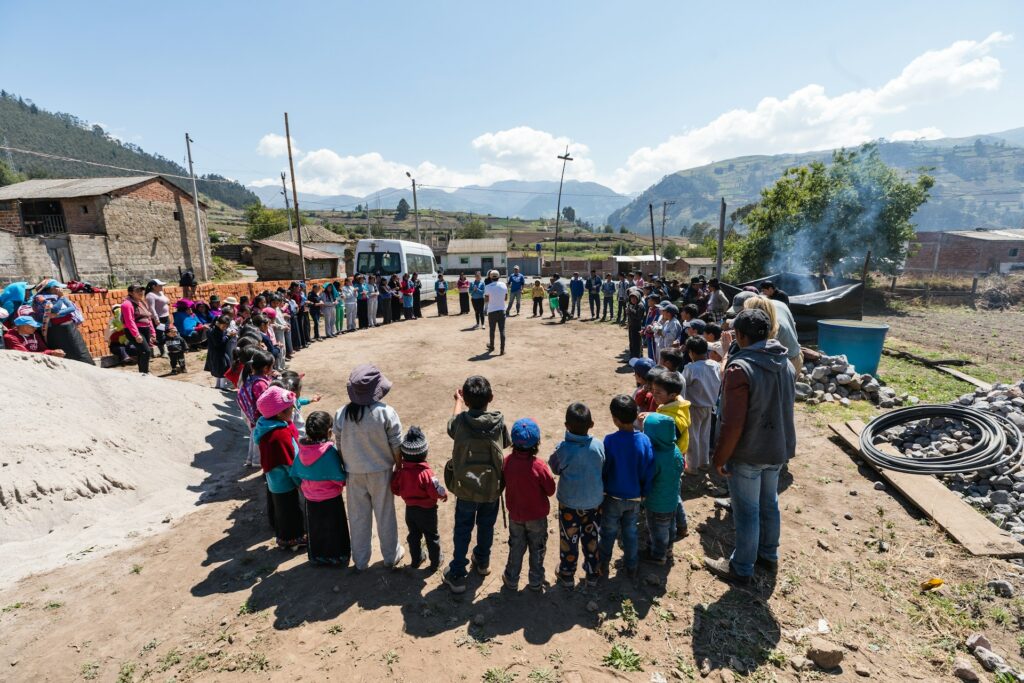
These experiences support fluency while also deepening empathy and intercultural competence. As one student shared after her trip to Riobamba, “I learned more Spanish in a week of volunteering than in a semester back home.”
How Students Grow Through Immersive Travel
Beyond language skills, immersive travel builds confidence and adaptability. Navigating unfamiliar settings requires students to take risks, make mistakes, and try again. These challenges are essential for language acquisition and personal development.
For future healthcare workers, educators, or global leaders, learning how to communicate across languages and cultures is invaluable. Traveling for research and education builds the kind of resilience and perspective that shape thoughtful professionals.
Students also gain insight into local realities, how language intersects with power, opportunity, and identity. It’s not just what you say in Spanish, but how, when, and why.
Finding the Right Program for You
Not all educational travel programs are created equal. Look for options that prioritize ethical engagement, cultural respect, and local leadership. MEDLIFE’s model includes these pillars while offering consistent opportunities to practice Spanish in context.
Programs that include language classes abroad, homestays, and guided reflection will offer the most well-rounded experiences. Make sure your travel also supports local economies and builds mutual understanding.
Whether your goal is to learn medical Spanish, build teaching skills, or simply grow your vocabulary through practice, the right experience can open new paths forward.
Engaged Education - Transformative Educational Travel Experiences
Start your journey by downloading our brochure to explore immersive trips that support language learning through real-world practice and cultural exchange.
Become a monthly donor to support educational access and global learning opportunities for students and communities alike.