

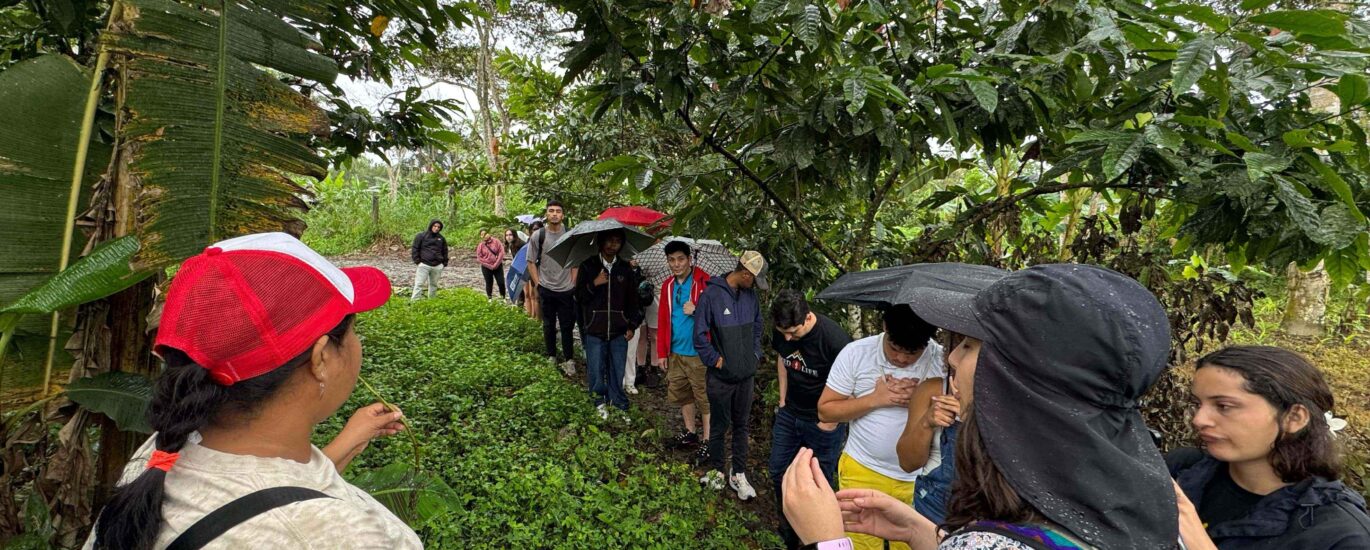
As a college professor, you understand the importance of providing students with enriching, real-world experiences that enhance their academic journey. Educational travel programs are an immersive way for students to connect classroom theories with practical, hands-on learning. Whether it’s exploring historical sites, engaging with local communities, or learning about environmental issues, these experiences provide unparalleled opportunities for growth.
However, booking a meaningful educational tour that fits seamlessly with your curriculum can feel like a daunting task. With so many variables to consider, it’s important to approach the process thoughtfully. Here’s how you can organize an educational travel tour that not only broadens your students’ horizons but also makes your job easier as an educator.
1. Align the Trip with Your Course Objectives
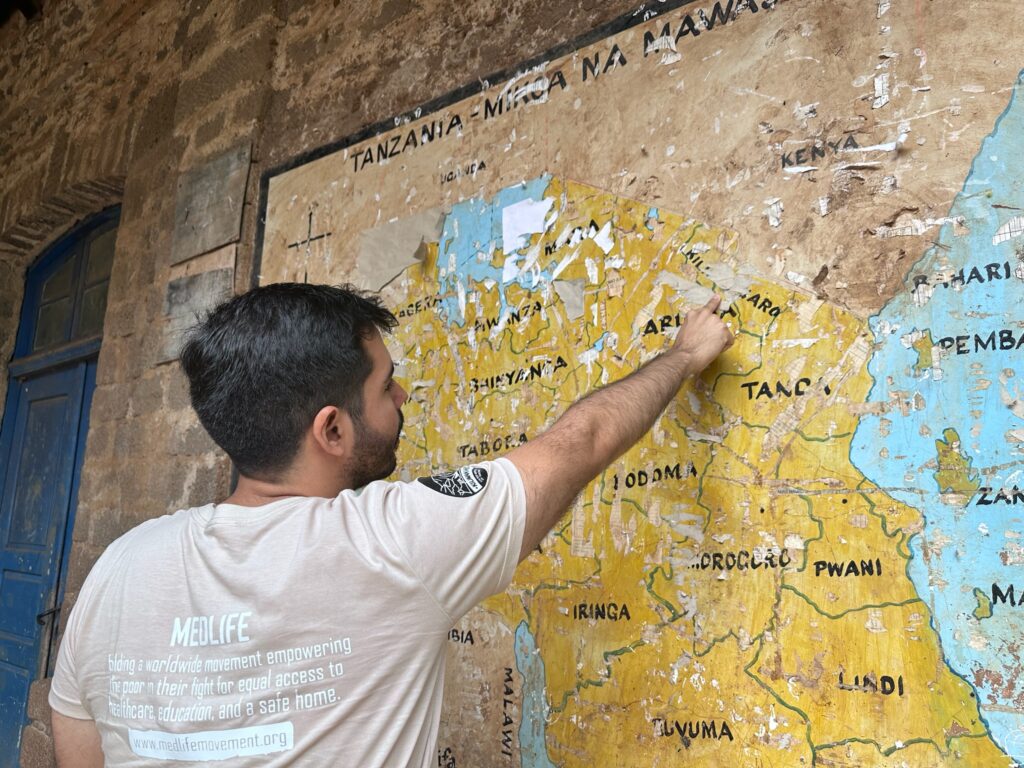
The first step in organizing an educational travel program is to ensure it aligns with your course objectives. Whether you’re teaching history, environmental studies, or international relations, select a destination that brings course content to life. For example, a trip to Europe could offer an in-depth exploration of World War history, while a journey to a developing country could provide insights into global health issues or economic development.
When choosing the right destination, think about how it will complement your syllabus and enhance your students’ learning. The right program will allow students to see firsthand how academic knowledge intersects with real-world challenges, deepening their understanding of the subject matter.
2. Choose a Reputable Provider with Experience in Educational Travel Programs
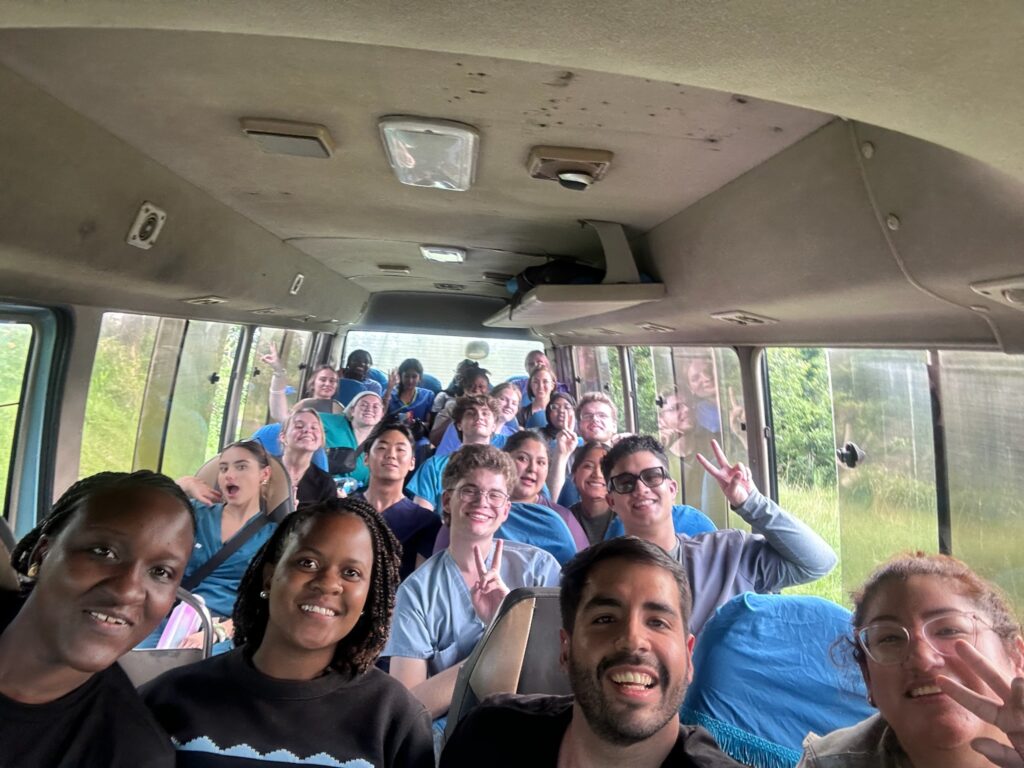
When booking an educational travel tour, it’s essential to choose a provider that specializes in student trips and has a track record of success. Look for an organization that offers tailored experiences for college groups, such as Engaged Education, where we understand the unique needs of higher education professors and students. Ensure the provider is knowledgeable about your specific course content and has an understanding of academic requirements.
Additionally, choose a company that offers educational resources, such as pre-trip reading materials or post-trip assignments, so that students get the most learning opportunities possible out of the experience. This support will help maximize the educational value of the trip and make your job easier as a professor.
3. Manage Budget and Financial Planning
A critical aspect of any college trip is the budget. Educational travel programs are often an investment, so it’s essential to plan your finances carefully. Ensure that the program you choose provides clear, itemized pricing for travel, accommodation, meals, and activities. Look for companies that offer flexible payment options or group discounts to make the trip more affordable for both students and your department.
Additionally, many organizations offer fundraising support or scholarship opportunities that can help defray costs for students. You might also want to encourage students to apply for university travel grants, or even consider teaming up with other departments to share costs.
4. Incorporate Reflective and Interactive Learning
One of the most important elements of an educational travel program is reflection. To get the most out of the experience, students need to actively engage with what they’ve learned during the trip. Encourage them to keep travel journals, participate in group discussions, or complete a post-trip project that links their experience back to the coursework.
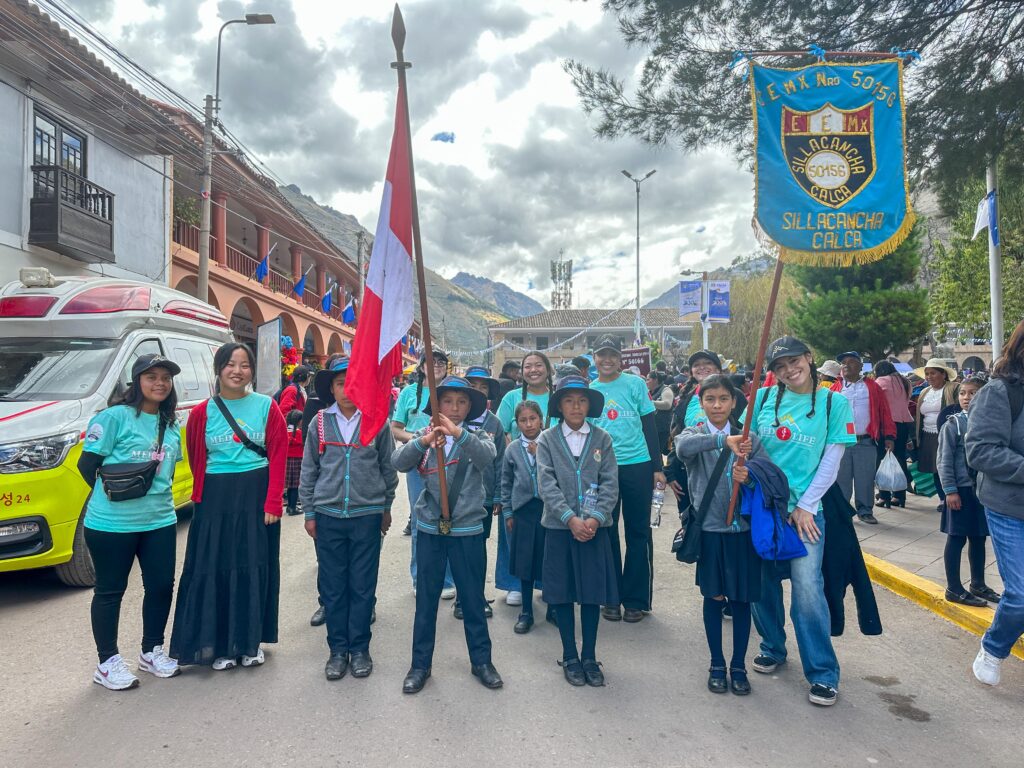
Incorporating a hands-on, interactive approach during the trip, such as working with local communities or attending expert-led discussions, helps students see how academic knowledge is applied in real-world contexts. This makes the learning experience more impactful and long-lasting.
5. Prepare for Any Surprises
While planning ahead is crucial, it’s also important to remain flexible. Travel can sometimes involve unexpected challenges, from changes in itinerary to weather disruptions. To avoid stress, ensure that the travel provider has strong support systems in place, including 24/7 assistance, and that students know how to handle any emergencies. A well-organized program will ensure that any challenges that arise can be addressed quickly and professionally.
Enhance Your Students’ Learning Through Travel
Educational travel programs provide an opportunity for students to step outside the classroom and immerse themselves in learning experiences that will shape their academic and professional futures. By carefully selecting a program that fits your course objectives, managing logistics, and encouraging reflective learning, you’ll create an unforgettable educational experience for your students.
If you are interested in creating a customized tour for your students, download our free brochure today and one of our expert travel staff members will reach out and help you start planning a tour that will inspire and educate future generations.