

If you’re hoping to explore the world while learning something meaningful, you’re probably already searching for educational trips that can help you grow academically and personally. With so many programs to choose from, finding the right one can feel confusing. The goal isn’t just to travel, it’s to find a trip that teaches you something real, feels safe, and helps you understand the world in a deeper way. That’s why comparing different educational trips carefully is important before making a decision.
Here are five things every student should keep in mind when trying to find educational trips abroad.

1. Look for Real Learning Opportunities
The best trips do more than just show you famous landmarks. They help you learn something connected to your interests, whether that’s history, culture, environmental science, or global issues. A strong program will clearly explain:
What you will learn
How activities connect to real academic subjects
What cultural or educational experiences are included
When a trip provides clear learning goals, it becomes an experience that supports your growth rather than just a vacation.
2. Make Sure Safety Comes First
Safety should always be a priority. Before choosing a program, check that they clearly explain:
How students are supervised (if necessary)
Emergency protocols
Accommodation standards
Staff training
Transportation plans
Good programs are open about how they protect participants and how they respond to unexpected issues. You should feel comfortable and supported before you even leave home.

3. Choose Trips With Meaningful Cultural Experiences
Educational travel should help you understand new perspectives and unique cultural challenges. Look for programs that create respectful, thoughtful cultural experiences rather than quick sightseeing moments. This might include:
Visiting communities with local guides
Learning from local professionals
Participating in hands-on cultural or educational activities
Experiences like these help you understand a country’s history, challenges, and strengths in a more genuine way.
4. Check for Clear Logistics and Communication
A good travel program should make traveling easier, not harder. The best educational travel organizations provide:
Detailed itineraries
Packing guides
Payment schedules
Clear expectations for behavior
Support before and during the trip
When communication is clear between you and your travel company, you can focus on enjoying the learning experience instead of worrying about logistics.
5. Choose a Program That Promotes Ethics
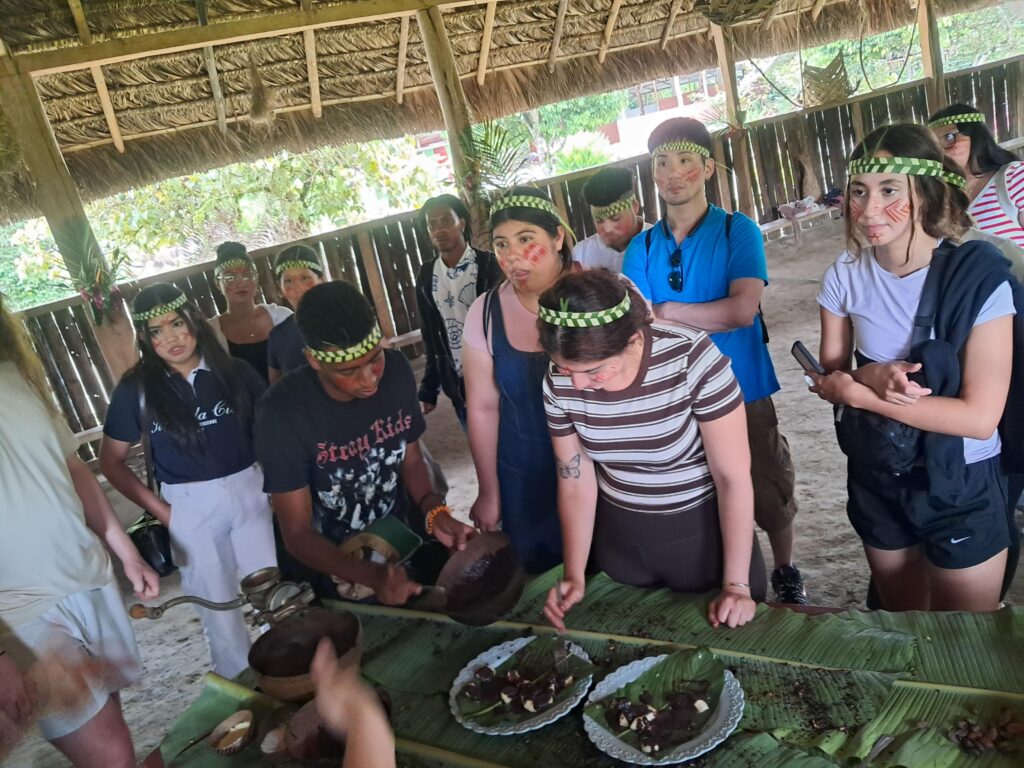
Educational travel should respect local communities and environments. Make sure the organization prioritizes ethical travel and works closely with local leaders. Responsible programs avoid harmful activities and focus on learning, understanding, and contributing in ways that leave a positive impact.
How Engaged Education Meets These Standards
Engaged Education was built around these values. Every trip focuses on cultural learning, history, cuisine, and real-world context. Safety systems are well established, and trained staff support students throughout the experience. Programs highlight meaningful interactions with local communities and emphasize learning through engagement rather than observation. With organized planning and a commitment to ethical travel, Engaged Education helps students experience the world responsibly and confidently.
Ready to plan your adventure abroad? Download the Engaged Education brochure and start planning your educational journey with us.