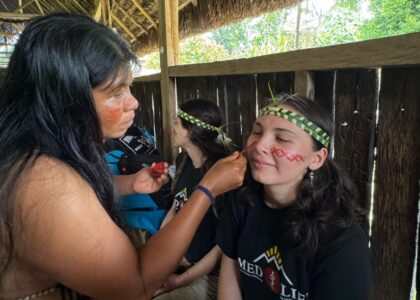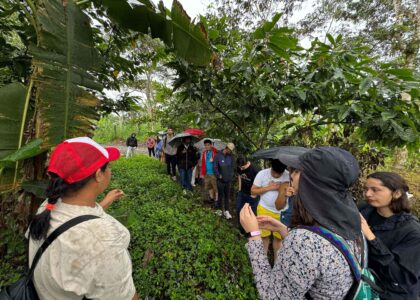


If you’re looking for school tours of America for your students, there are countless destinations that can both educate and be a memorable experience. While we don’t currently offer pre-packaged tours within North America, Engaged Education is proud to work with teachers and educators to customize school trips that encourage civic awareness, cultural understanding, and sustainability.
Let’s look at several key destinations across the United States and Canada that are perfect for learning and adventure, ensuring students gain a deeper appreciation for the land, its Indigenous communities, it’s history, as well as sustainable travel practices. These trips can be integrated into existing curricula, providing both educational enrichment and a chance to learn firsthand from history, nature, and communities that have shaped the nation.
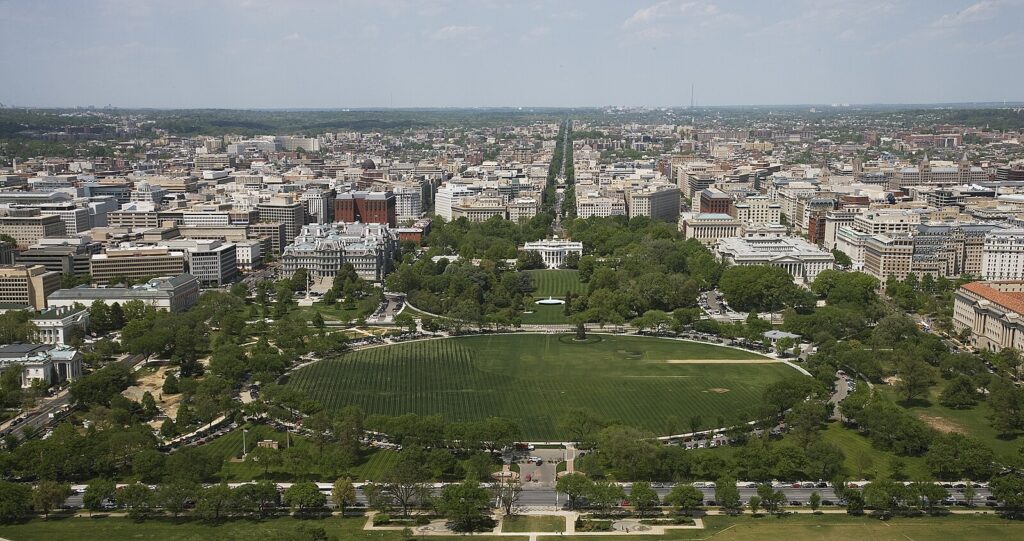
1. Washington, D.C.: A Lesson in History and Civic Engagement
A trip to the U.S. capital is an incredible opportunity for students to interact first-hand with history, government, and social justice. From the National Mall to the Smithsonian Museums, the monuments and memorials in Washington, D.C. highlight the nation’s fight for equality and civil rights. Students can visit sites like the Martin Luther King Jr. Memorial, the National Museum of the American Indian, and the Lincoln Memorial, all of which foster discussions on American history, Indigenous sovereignty, and social change. School tours in D.C. provide an interactive, thought-provoking experience about democracy, government, equality, and the importance of civic engagement.
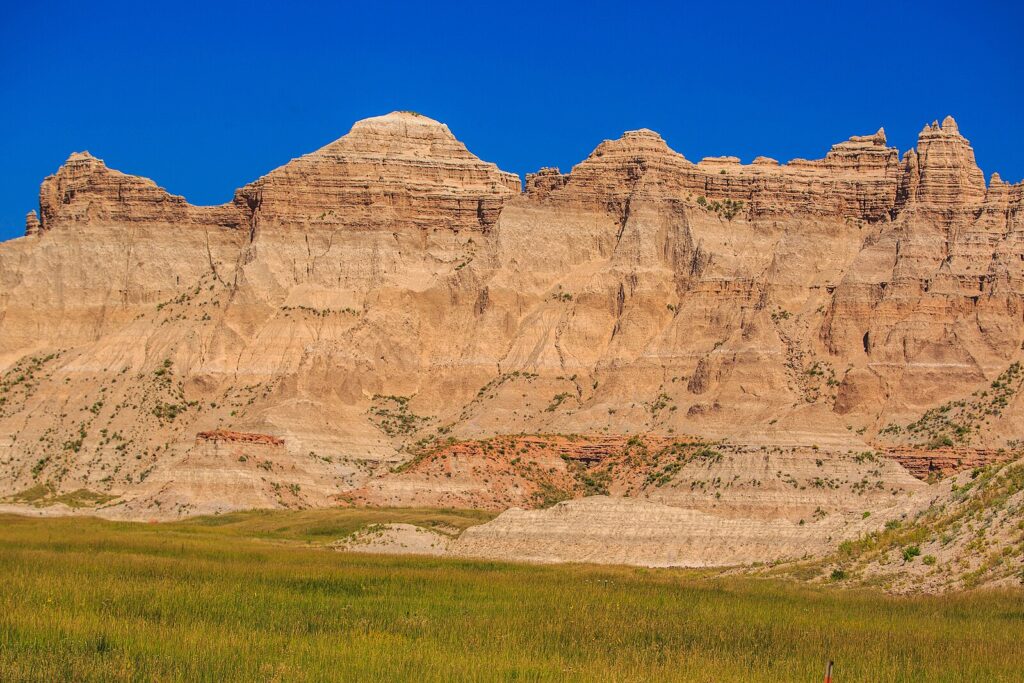
2. The Black Hills of South Dakota: A Cultural and Environmental Experience
South Dakota’s Black Hills are a perfect place for students to connect with Indigenous cultures and learn about the environmental impact of mining and land exploitation. This region is home to the Lakota Sioux, who have a deep cultural and spiritual connection to the land. Students can visit the Badlands National Park, where the interplay of nature and Indigenous history creates a memorable learning opportunity. The Mount Rushmore National Memorial also raises important conversations about the significance of sacred Indigenous lands and the consequences of settler colonialism. School tours to this region promote respect for the land and its original inhabitants while emphasizing sustainability and land stewardship.
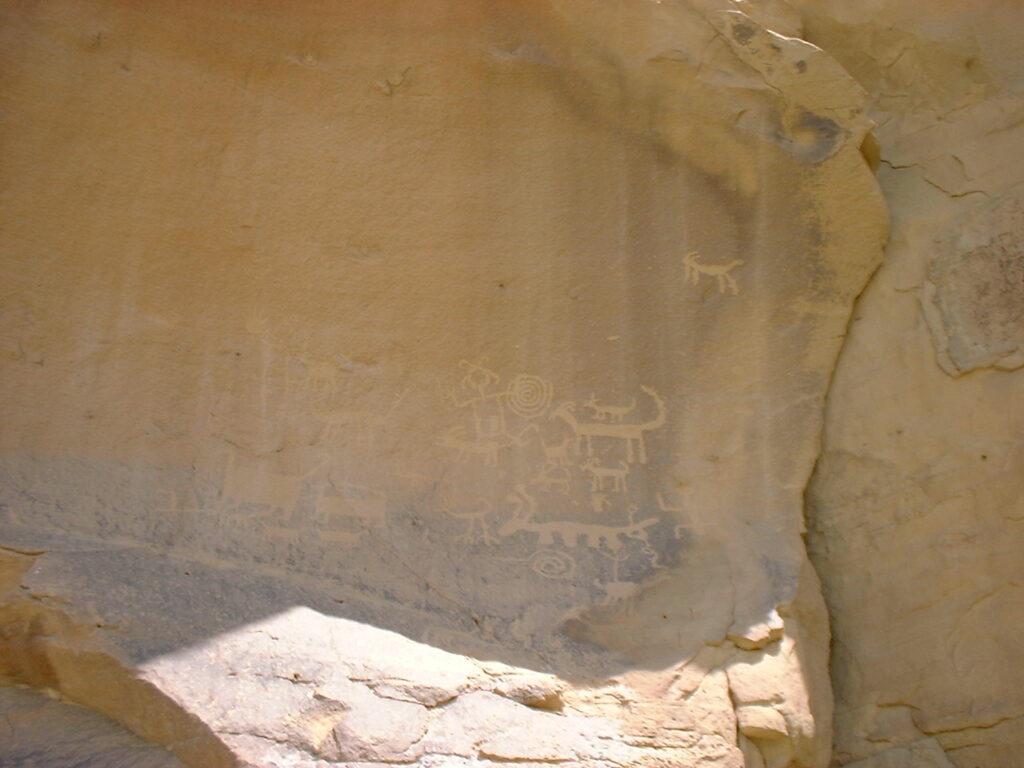
3. The American Southwest: Exploring the Indigenous Heritage of Arizona and New Mexico
The American Southwest is rich in Indigenous history, especially in Arizona and New Mexico, where students can visit sacred Native American sites like Monument Valley, Chaco Canyon, and the Petrified Forest National Park. These areas are not only spectacular in terms of natural beauty but also serve as educational hubs where students can learn about the history, culture, and ongoing struggles of Indigenous peoples. Cultural respect, land conservation, and the sustainable practices of the Native American tribes in these regions offer ample opportunities for teaching students about sustainability and cultural preservation. It’s a place where environmental education and respect for Indigenous communities are deeply intertwined.

4. Vancouver, Canada: A Model of Sustainable Urban Development
This location is not in America, but a quick trip over the border can bring you and your students to a city of stunning natural beauty and diverse culture. Vancouver is widely recognized for its dedication to sustainability, with a plethora of green spaces like Stanley Park, sustainable building practices, and urban planning that respects the environment. This city is an excellent example of how communities can prioritize the health of the planet while maintaining urban development. For students studying environmental science, urban studies, or civic responsibility, a tour of Vancouver will showcase sustainability in practice. Additionally, Vancouver is situated on the traditional territories of the Coast Salish peoples, providing an opportunity to learn about Indigenous land rights and the importance of reconciliation and respect for native communities.

5. The Everglades National Park, Florida: Conservation and Ecological Awareness
The Everglades is a UNESCO World Heritage Site and is an ideal destination for students to learn about biodiversity and conservation. As one of the most unique ecosystems in the world, the Everglades provides an opportunity to discuss the balance between human development and nature conservation. The park also serves as a home to several Indigenous tribes, such as the Miccosukee and Seminole nations, who have long-standing connections to the land. Students can learn about the critical issues of land conservation, wildlife protection, and Indigenous cultural rights, while also learning about the importance of ecological sustainability.
Traveling and Collaborating With Engaged Education
By working with Engaged Education, teachers and educators can tailor school tours of America to meet specific learning goals, whether those are centered on history, culture, sustainability, or Indigenous rights. We help craft custom itineraries that ensure students leave with a richer understanding of the world and their place in it.
If you are interested in creating a customized tour for your students, download our free brochure today and one of our expert travel staff members will reach out and help you start planning a school tour of America that will inspire and educate future generations.