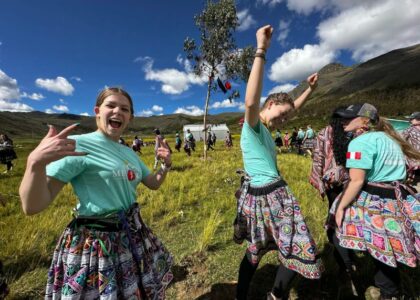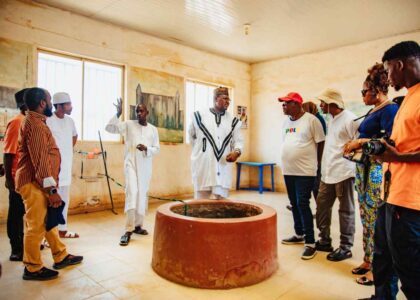

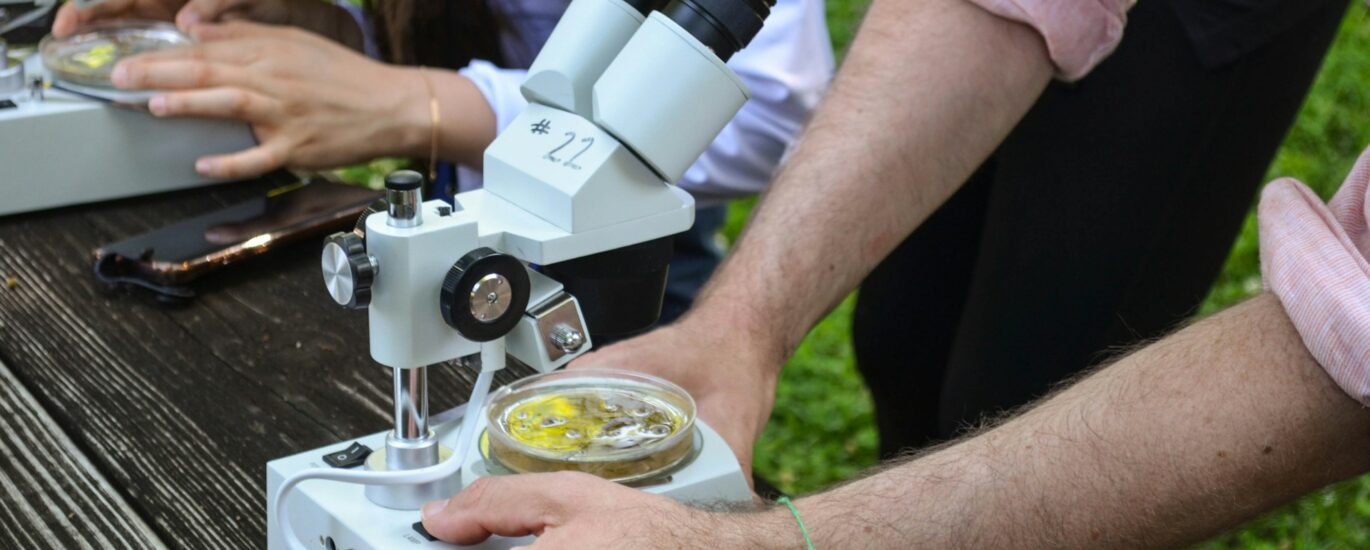
Picture a group of students standing at the edge of a cloud forest in Ecuador, collecting data on biodiversity with local researchers. This is not a science fiction camp or a virtual simulation. It is a real travel-based experience where STEM education comes alive outside the classroom.
STEM stands for Science, Technology, Engineering, and Mathematics. For students in high school STEM programs, textbook theory can sometimes feel disconnected from reality. Educational travel helps bridge that gap by immersing students in global environments where these disciplines are used to understand and solve real-world challenges, as demonstrated in this immersive journey in the Ecuadorian Andes.

Why Travel Makes STEM Education Tangible
Traditional science labs and lectures are important, but they often lack real-world context. Traveling to ecosystems like the Galápagos or the Andes provides that missing link. Whether it is studying glacial retreat, building water filtration systems, or analyzing agricultural sustainability, students gain insight into how STEM can address practical problems in diverse communities.
These experiences foster:
- Curiosity through field-based inquiry and experimentation
- Collaboration by working alongside local experts and peers
- Critical thinking through hands-on challenges in dynamic environments
Students return from these trips with a deeper understanding of scientific concepts and a greater enthusiasm for applying them to global issues.
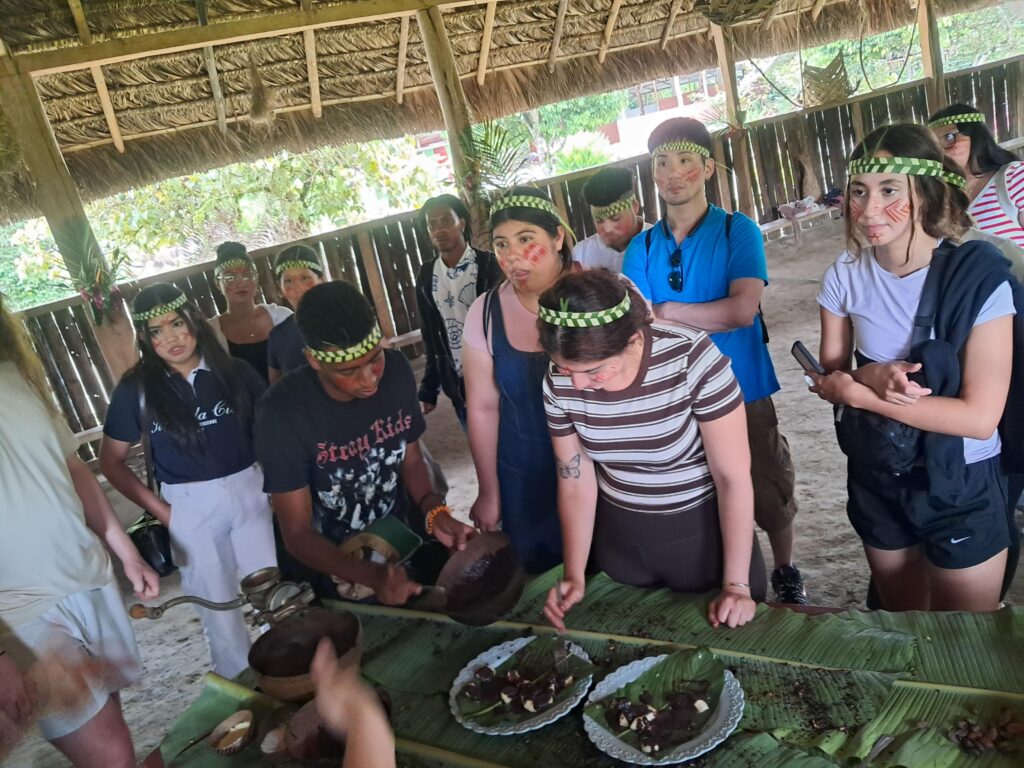
Hands-On Science Programs for High School Students
The most impactful science programs for high school students do more than deliver content. They help students grow as learners and citizens. At Engaged Education, our STEM-focused travel opportunities connect students with meaningful projects in Latin America, ranging from coastal marine research to high-altitude ecology.
These programs are both educational and inspiring. Students may:
- Learn from indigenous engineers designing sustainable irrigation systems
- Use GPS mapping to chart trails for reforestation projects
- Assist in monitoring wildlife and exploring conservation strategies
Each activity is carefully aligned with curriculum standards while promoting global awareness and engagement.

Empowering the Next Generation of STEM Innovators
Experiential learning through travel helps students understand STEM within broader contexts of equity, sustainability, and cultural relevance. It encourages them to consider not only what science is, but why it matters.
Engaged Education’s approach includes:
- Ethical engagement with local communities and researchers
- Reflection activities that connect fieldwork to personal growth
- Skill-building for future careers in science, engineering, and global health
These travel experiences nurture a sense of responsibility and creativity that traditional classroom settings may not always provide.
Choosing Ethical STEM-Focused Travel Programs
If you are an educator or parent hoping to enrich school-based science education through travel, it is important to choose programs that focus on:
- Long-term partnerships with local scientists and organizations
- Projects with measurable, sustainable outcomes
- Structured opportunities for learning, reflection, and discussion
Explore our recent piece on STEM Field Trips to learn more.
Engaged Education - Transformative Educational Travel Experiences
Would you like to help your students see STEM in action? Our educational travel experiences turn theory into hands-on, meaningful learning.
Take the next step and explore our brochure. And for less than the cost of one coffee a month, you can help expand access to education and healthcare in underserved areas by becoming a monthly donor.