

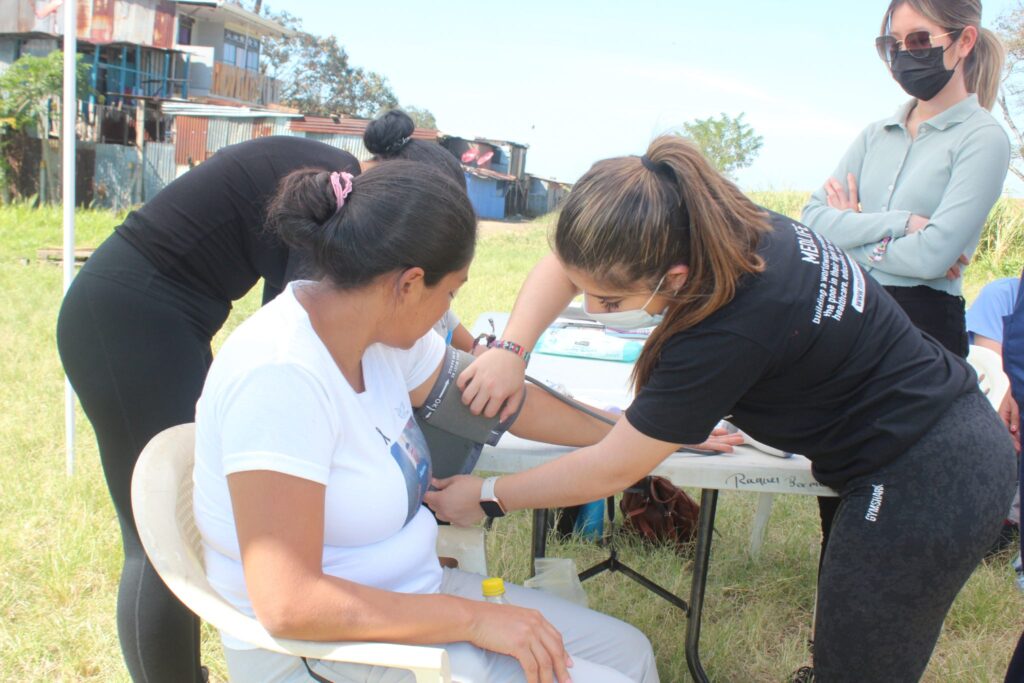
A group of students hikes through the Andes just outside Cusco, pausing as a local guide explains how climate, agriculture, and access to infrastructure shape daily life in the surrounding communities. Later that week, they assist during a mobile health clinic, observing how screenings connect patients to long-term care.
This is what student travel can look like in 2026. Not just sightseeing, but meaningful engagement that connects education, culture, and global responsibility.
As more students look for experiences that go beyond traditional tourism, destinations are being evaluated differently. It is no longer just about where to go, but how you engage once you get there.
Why Student Travel Is Evolving
Today’s students are more intentional. They are asking deeper questions about impact, sustainability, and learning outcomes. The rise of student travel programs that emphasize Ethical Volunteering, Global Health, and Sustainable Development reflects this shift.
Instead of passive travel, students want Hands-on Experience. They want to understand systems, meet local leaders, and see how communities are addressing challenges over time.
If you are considering how travel can shape your academic and personal growth, this guide on how educational travel enhances college applications offers valuable insight.
So where should you go in 2026?
Top Travel Destinations 2026 for Student Travel
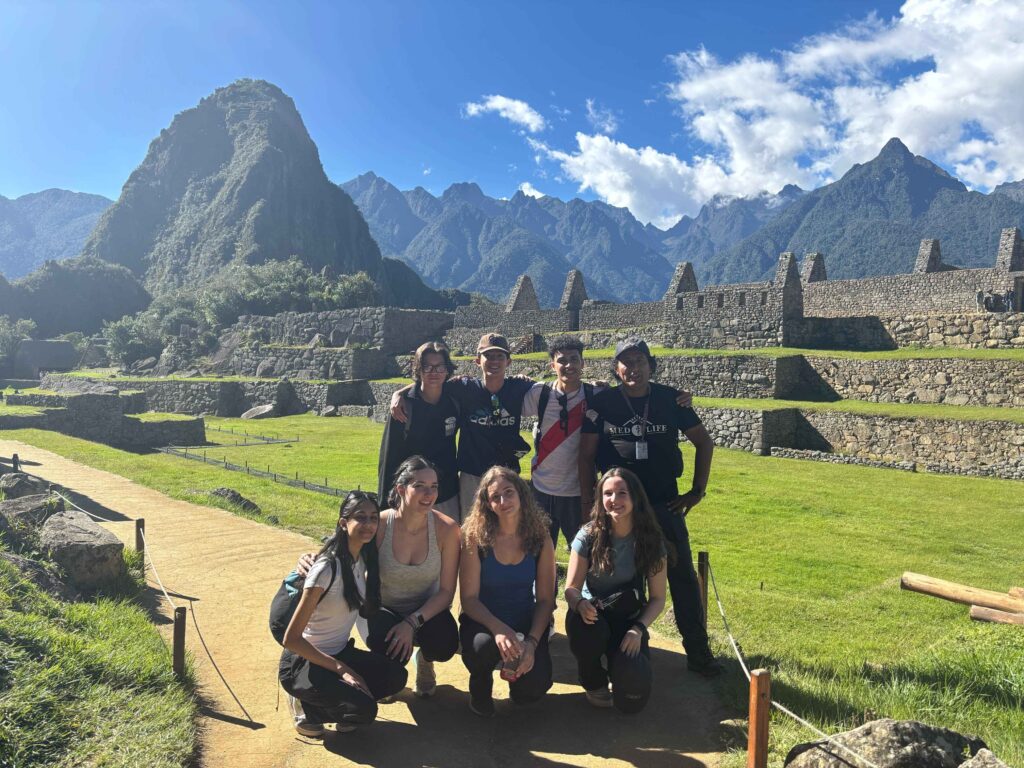
Peru: A Living Classroom of Culture and Global Health
Peru continues to be one of the most impactful destinations for student travel. From Lima’s urban communities to the highlands of Cusco, students are exposed to a wide range of social, cultural, and healthcare realities.
Through structured service learning projects, students can:
- Observe mobile health clinics focused on prevention and early detection
- Learn about public health challenges and referral systems
- Participate in infrastructure projects like staircases that improve access to care
Peru also offers deep cultural immersion. Students explore Inca history, indigenous traditions, and environmental diversity in ways that connect directly to their academic interests.
To better understand the educational value of this destination, explore discovering Peru’s culture through educational travel.
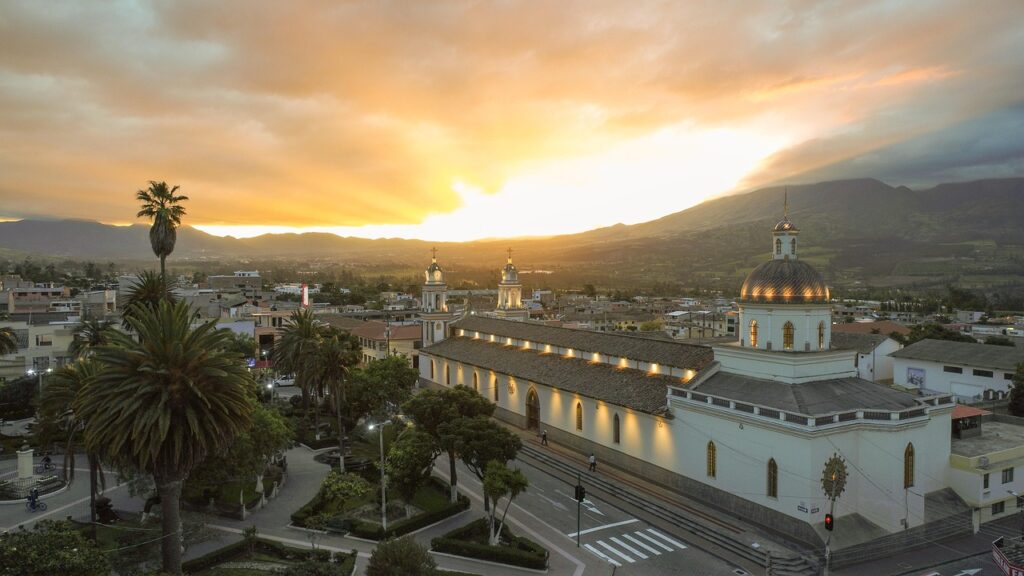
Ecuador: Community Empowerment in Action
Ecuador is quickly becoming a standout among the top travel destinations 2026 for students interested in sustainability and community development.
In regions outside Quito, students work alongside local leaders on projects that address root causes of health challenges. These include:
- Greenhouses that improve food security
- Infrastructure projects that support safer living conditions
- Health education initiatives led by local professionals
What makes Ecuador unique is the visibility of long-term impact. Students can see how a single project contributes to broader systems like land ownership, access to utilities, and economic opportunity.
You can explore this immersive experience further in an educational expedition through Ecuador.
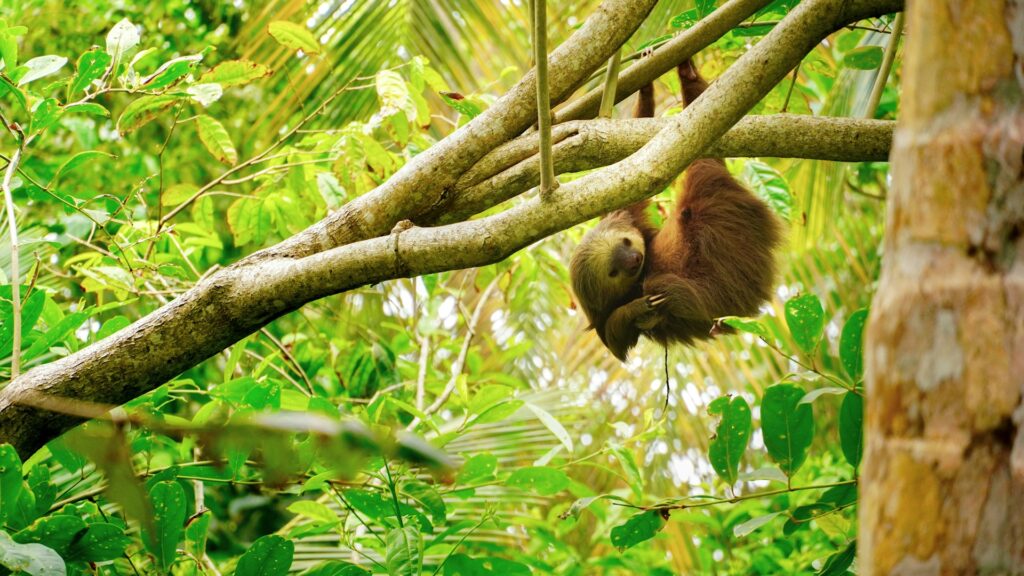
Costa Rica: Sustainability and Environmental Leadership
For students interested in environmental science and conservation, Costa Rica remains a top choice.
This destination offers:
- Exposure to biodiversity and conservation efforts
- Opportunities to learn about sustainable tourism practices
- Hands-on learning in ecosystems that are critical to global environmental health
Costa Rica is especially valuable for students studying biology, ecology, or environmental policy.
To learn how sustainability is integrated into travel experiences, read the ultimate guide to sustainable travel.

The Galápagos Islands: Science in Real Time
Few places offer the kind of immersive scientific learning found in the Galápagos Islands.
Students can:
- Study evolution and biodiversity firsthand
- Learn about conservation challenges and global responsibility
- Engage with experts working to protect fragile ecosystems
This destination transforms abstract scientific concepts into tangible experiences.
For a deeper look, explore Galápagos Islands tours as a living classroom.

Rural Latin America: Understanding Systems and Inequality
Beyond well-known destinations, rural communities across Latin America provide some of the most meaningful student travel programs.
Here, students gain insight into:
- Barriers to healthcare access
- The importance of infrastructure in daily life
- The role of local leadership in driving change
These experiences are not about quick solutions. They are about understanding complexity and learning from communities that are actively working toward long-term development.
If you want a clearer picture of what this looks like, read what it’s like to volunteer in a rural community.
What Makes a Destination “Top” for Student Travel?
The top travel destinations 2026 are not defined by popularity alone. They are defined by the quality of engagement they offer.
Key factors include:
- Local leadership: Are community members guiding the work?
- Long-term impact: Are projects part of an ongoing system?
- Educational value: Does the experience connect to academic learning?
- Ethical structure: Does the program avoid short-term, extractive models?
This is especially important when evaluating service learning projects, where the goal is not just participation, but responsible contribution.
To better understand ethical engagement, this article on what voluntourism is and how to avoid it provides important context.
The Student Perspective: More Than Travel
Many students begin their journey focused on travel itself. But what they take away is often something deeper.
They begin to understand:
- How healthcare systems function in different contexts
- How infrastructure impacts access to opportunity
- How culture, history, and policy intersect in everyday life
Reflection is a key part of this process. Students are encouraged to think critically about what they observe and how it connects to their own studies and future careers.
If you are interested in making the most of these experiences, this guide on how to reflect on educational travel can help you process and apply what you learn.
Choosing the Right Student Travel Program
Not all programs are created equal.
The best student travel programs prioritize:
- Collaboration with local professionals
- Structured learning and reflection
- Long-term partnerships with communities
- Clear, ethical goals
They create space for students to learn without positioning them as the solution.
If you are comparing options, this resource on from classroom to community: creating real change highlights what to look for in a meaningful experience.
Moving Forward in 2026
Student travel in 2026 is about more than where you go. It is about how you engage, what you learn, and how you contribute.
Destinations like Peru, Ecuador, Costa Rica, and the Galápagos Islands offer opportunities to connect academic knowledge with real-world systems in a way that is both educational and responsible.
Engaged Education - Transformative Educational Travel Experiences
If you are ready to take the next step, start your journey by downloading the brochure. You can also directly assist communities in need by becoming a monthly donor. Even small, consistent contributions help sustain healthcare access, education, and infrastructure projects in low-income communities.