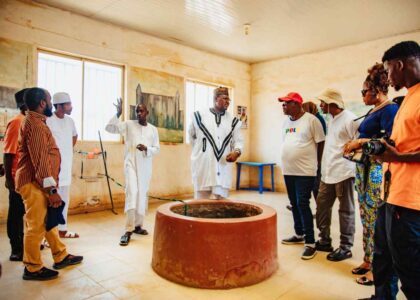

On the first morning in a hillside community outside Lima, a group of students stands beside a newly built staircase. A local leader explains how this path will allow families to safely reach the main road, especially during the rainy season. Later that day, the same students assist local healthcare professionals during community screenings, observing how early detection connects patients to long-term care.
This is service learning in practice: not just travel, but participation in a larger, ongoing system of community-led change.
For many students exploring global opportunities, the question arises: what’s the difference between study abroad and service learning, and which one creates a meaningful impact?
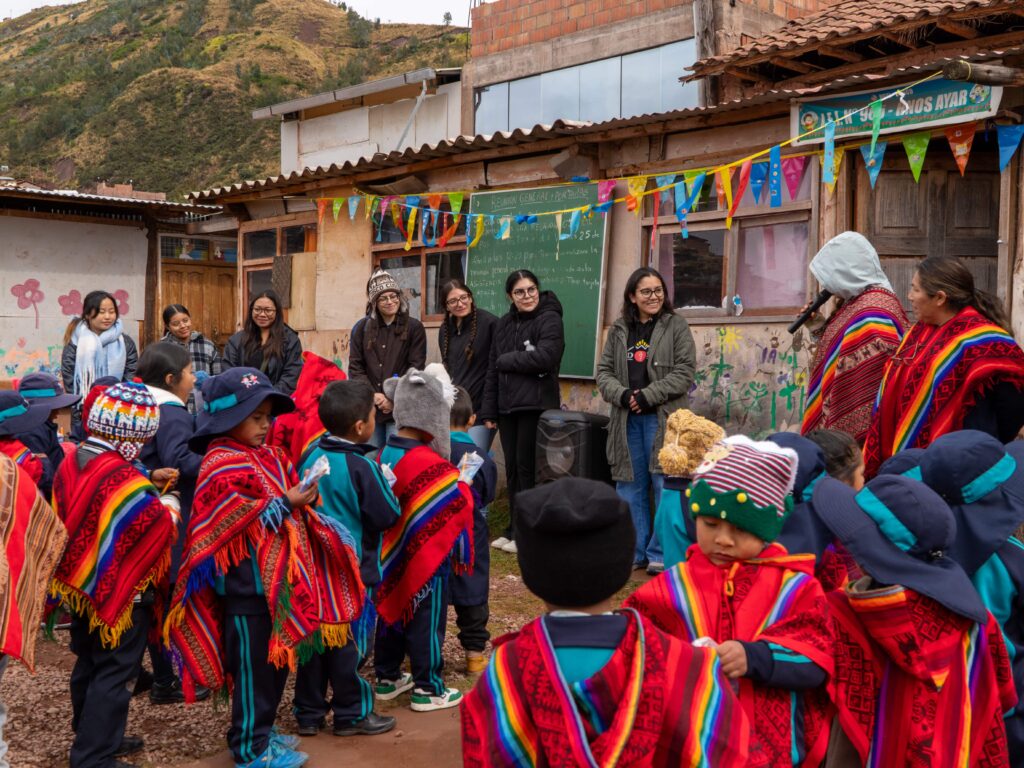
What Is Service Learning?
At its core, what is service learning? It is an educational approach that combines academic learning with community engagement in a way that is structured, ethical, and reflective. As explored in this guide to service learning programs and student growth, these experiences are designed to deepen both knowledge and global awareness.
Unlike traditional volunteering, service learning is not about short-term help. It is about contributing appropriately to long-term initiatives led by local professionals and communities. Programs are designed so that students learn from the experience while supporting ongoing work.
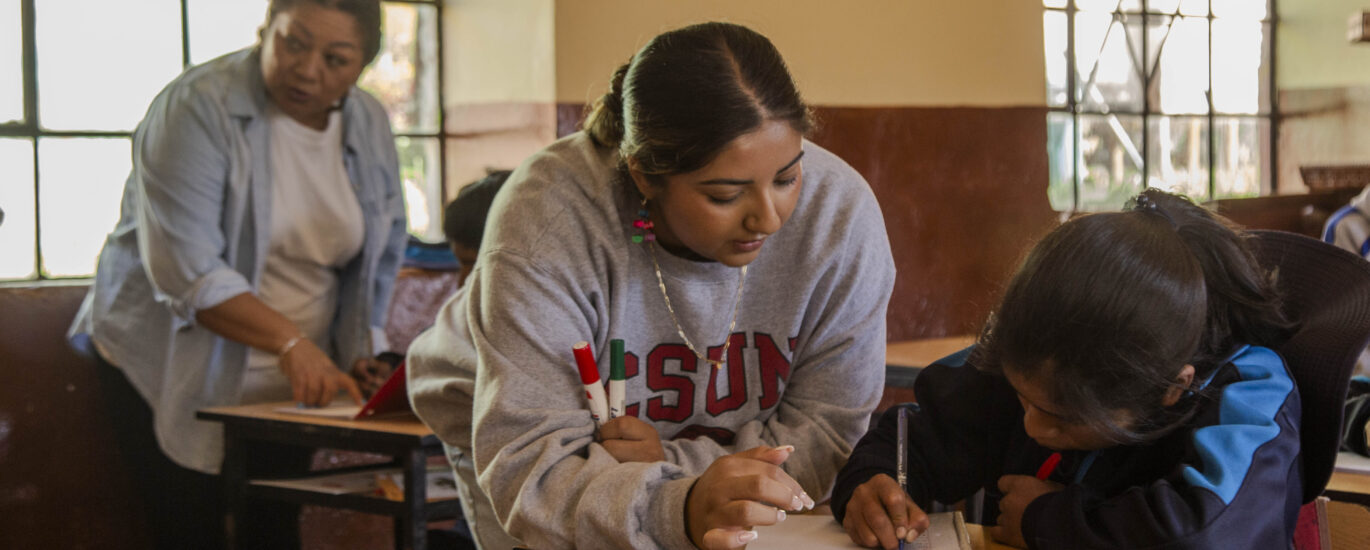
For example, during a MEDLIFE Service Learning Trip, students may:
- Assist local doctors with patient intake and health education
- Participate in service learning projects like staircases or greenhouses
- Engage in reflection sessions about Global Health and inequality
- Learn directly from community leaders and healthcare providers
These experiences are always grounded in partnership. Local staff, often from the same communities, lead the work, ensuring cultural understanding and continuity of care. You can explore what this looks like in practice in this firsthand look at volunteering in rural communities.

Study Abroad: A Different Kind of Learning
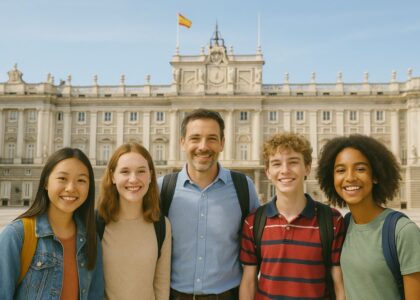
Study abroad programs typically focus on academic coursework in an international setting. Students attend classes, explore a new culture, and often gain language skills or academic credit. If you are considering this path, this resource on how to choose the right study abroad program can help guide your decision.
There is real value here. Study abroad can expand perspectives, build independence, and deepen cultural awareness.
But the structure is different:
- The primary goal is academic learning
- Community interaction is often observational rather than participatory
- Engagement is usually short-term and not tied to ongoing development projects
In contrast, service learning integrates Hands-on Experience with long-term community goals, bridging theory and practice in a way that extends beyond the classroom.
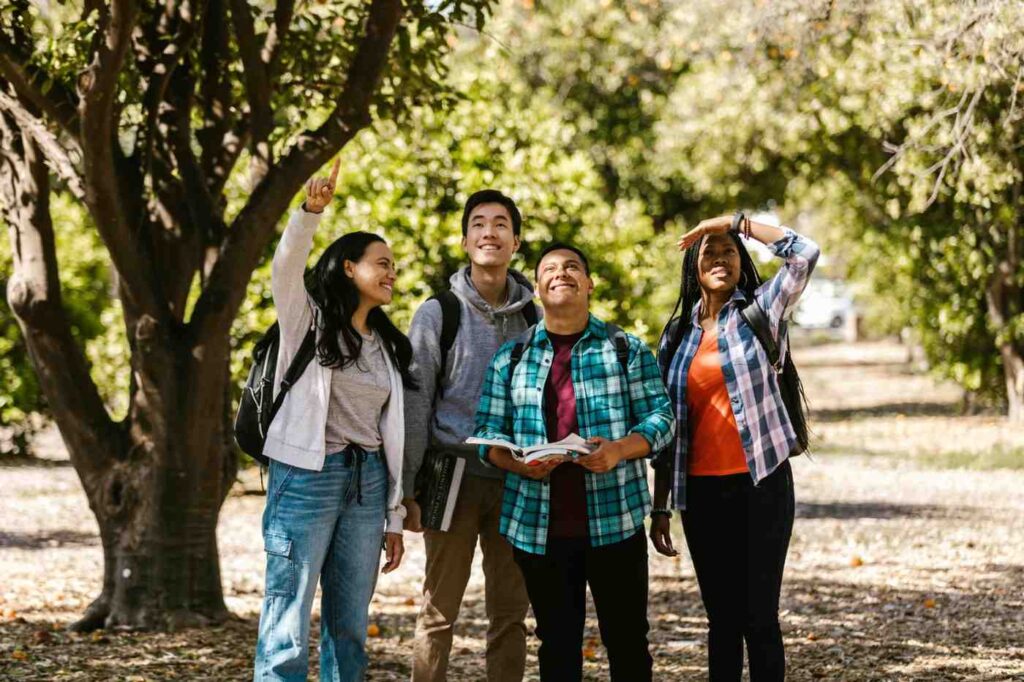
Service Learning vs Study Abroad: Key Differences
Purpose and Impact in Service Learning
Service learning is rooted in Sustainable Development and Community Empowerment. Every activity contributes to a broader system, whether that is healthcare access, infrastructure, or education. Learn more about responsible travel practices in this guide to sustainable travel.
Study abroad, on the other hand, prioritizes personal and academic growth. While impactful for the student, its direct community impact is often limited.
Role of Local Leadership in Service Learning
In ethical service learning models like MEDLIFE’s, local professionals lead every aspect, from healthcare delivery to development planning. This aligns with principles outlined in ethical tourism and responsible engagement, where local expertise guides meaningful impact.
Students support, observe, and learn.
Continuity vs One-Time Experience
One of the biggest differences lies in follow-up.
Service learning programs are embedded in long-term systems. For example:
- A patient screened for hypertension is referred into the public healthcare system
- A staircase project improves access, which can later unlock land titles and utilities
- A greenhouse creates ongoing food security and income
These are not isolated moments. They are part of a continuous process. This long-term impact is explored further in how volunteer trips create real change.
Student Experience: Learning Through Service
Many students begin with a simple goal: I want to help.
But service learning reshapes that mindset.
Instead of asking what they can do for a community, students begin to understand systems, local leadership, and long-term impact. Reflection plays a key role in this transformation. You can learn how to process these experiences in this guide to reflecting on educational travel.
This shift is part of why service learning projects are so impactful, not just for communities, but for the students themselves.
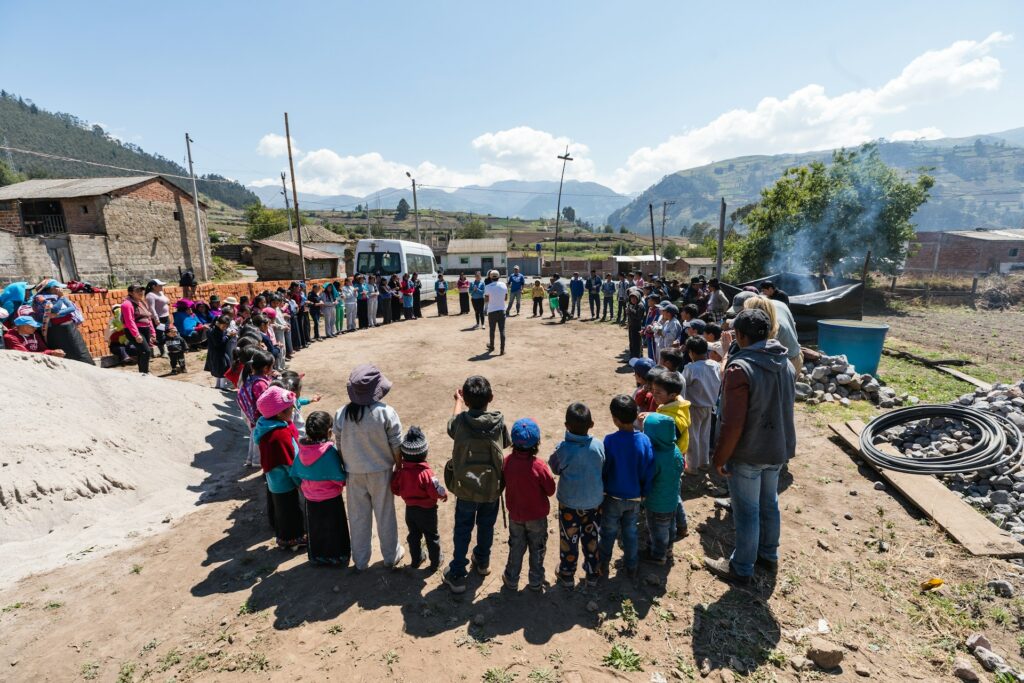
Community Impact Through Service Learning Projects
Consider a community in Ecuador where MEDLIFE partnered with local leaders to build a staircase.
Before the project:
- Families faced unsafe, steep terrain
- Emergency access was limited
- Basic services were difficult to reach
After completion:
- Children could safely walk to school
- Healthcare access improved
- The community moved closer to securing land titles, opening the door to utilities
This is the ripple effect of well-designed service learning projects. A single infrastructure project, completed through a 50–50 model where community members contribute labor, can unlock multiple layers of opportunity. To better understand these environments, explore what it is like to volunteer in a rural community.

Choosing the Right Path for You
Both study abroad and service learning offer valuable experiences, but they serve different goals.
If you are looking to:
- Gain academic credit and cultural exposure, study abroad may be a good fit
- Engage in Ethical Volunteering, learn from communities, and contribute to long-term initiatives, service learning offers a deeper experience
If you are new to this space, understanding what voluntourism is and how to avoid it is an important step toward making responsible choices.
For students interested in healthcare, public health, or social impact, service learning provides a unique opportunity to understand real-world systems.
Engaged Education - Transformative Educational Travel Experiences
Programs rooted in ethical partnerships, local leadership, and long-term impact create experiences that are both educational and responsible. Whether you are exploring service learning or traditional study abroad, the goal is to learn with humility and contribute thoughtfully.
Start your journey by downloading the brochure. You can also directly assist communities in need by becoming a monthly donor. Even small, consistent contributions help sustain healthcare access, education, and infrastructure projects in low-income communities.