Educational Travel vs Traditional Field Trips: What’s the Difference?
On a typical school field trip, students board a bus, visit a museum or historical site, and return home the same day. The experience can be engaging and informative, but it is often brief and structured around observation.
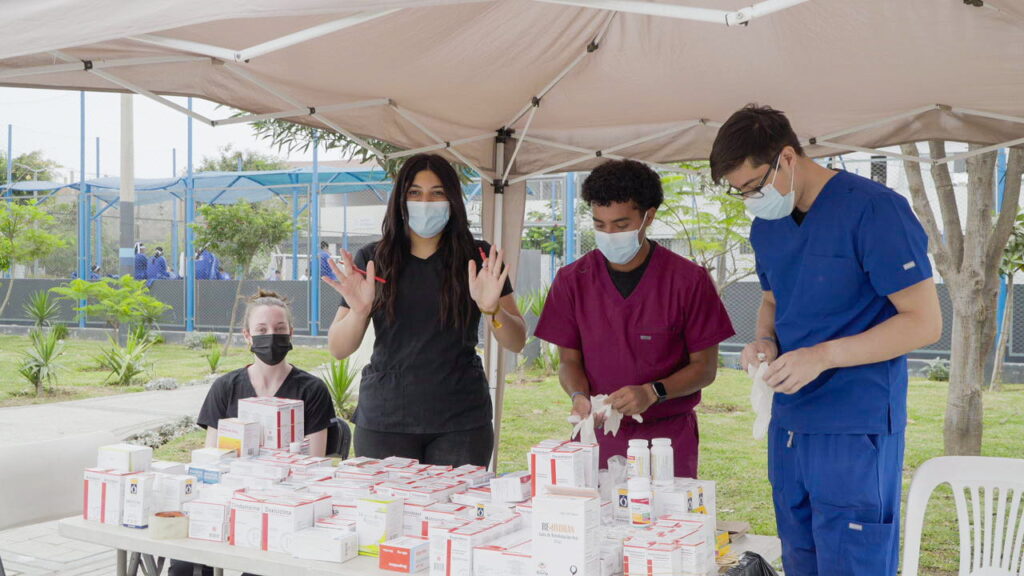
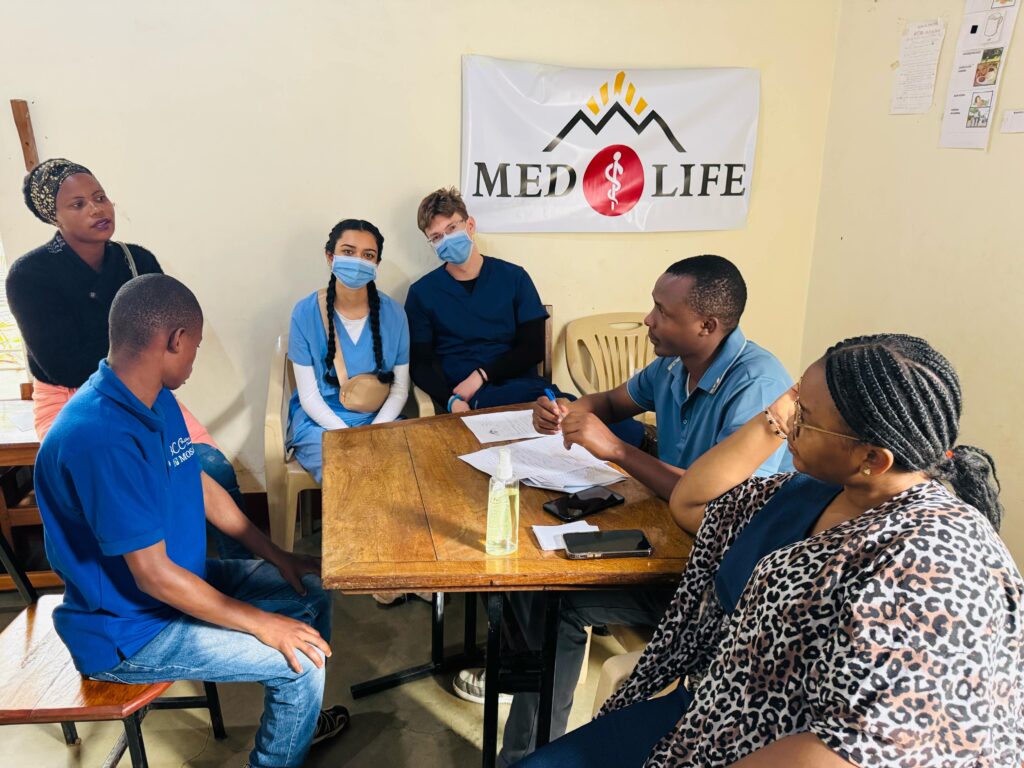
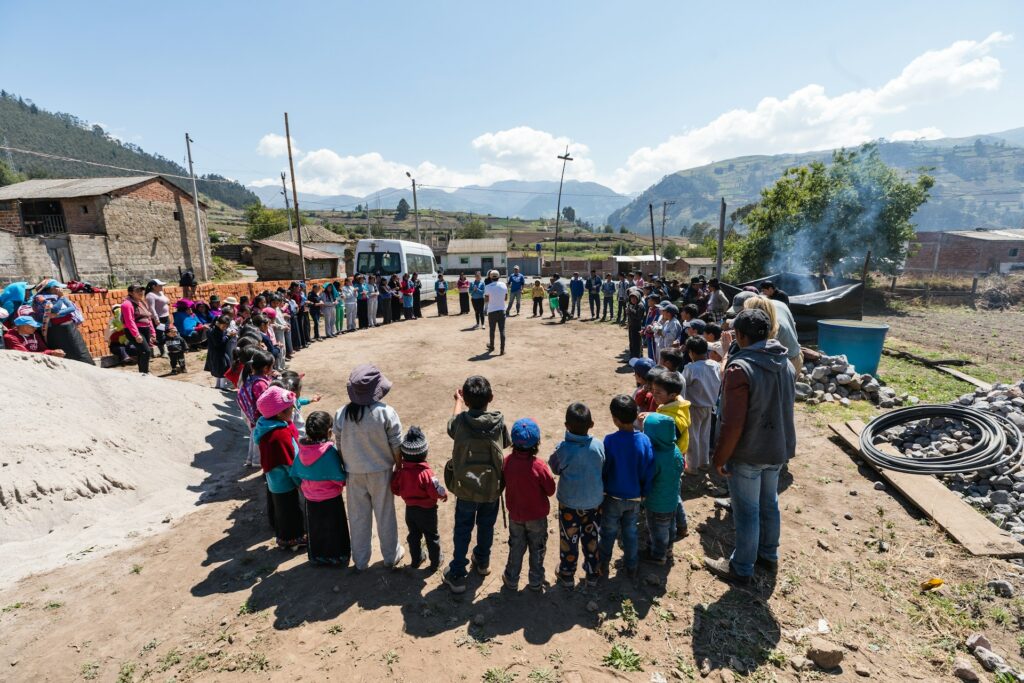
Now imagine a different setting. A group of students stands in a community in Ecuador, listening to a local nurse explain how preventative screenings connect patients to long-term care. Later, they reflect together on what they observed and how it challenged their assumptions. In this moment, educational travel becomes something more immersive and transformative.
Educational Travel Prioritizes Immersion Over Observation
Traditional field trips are often limited by time and structure. Students observe, take notes, and return to the classroom. These experiences can support learning, but they rarely allow for deeper engagement.
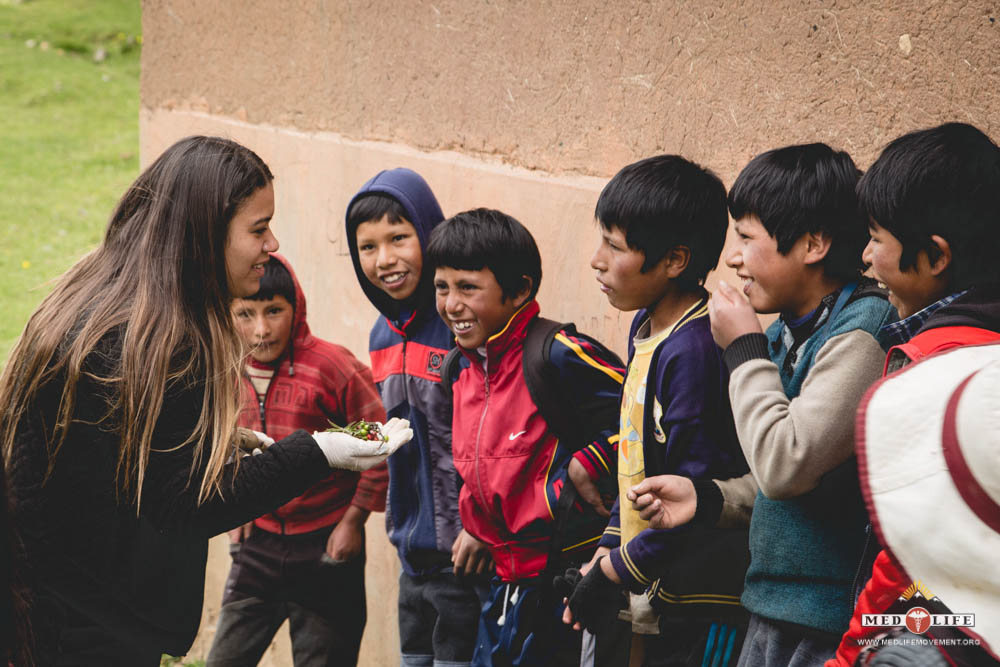
By contrast, educational travel emphasizes immersion. Students spend multiple days in a community, engaging with local leaders, healthcare professionals, and ongoing projects. This creates space for meaningful interaction and deeper understanding.
Traditional trips often reinforce classroom content. Educational travel expands it.
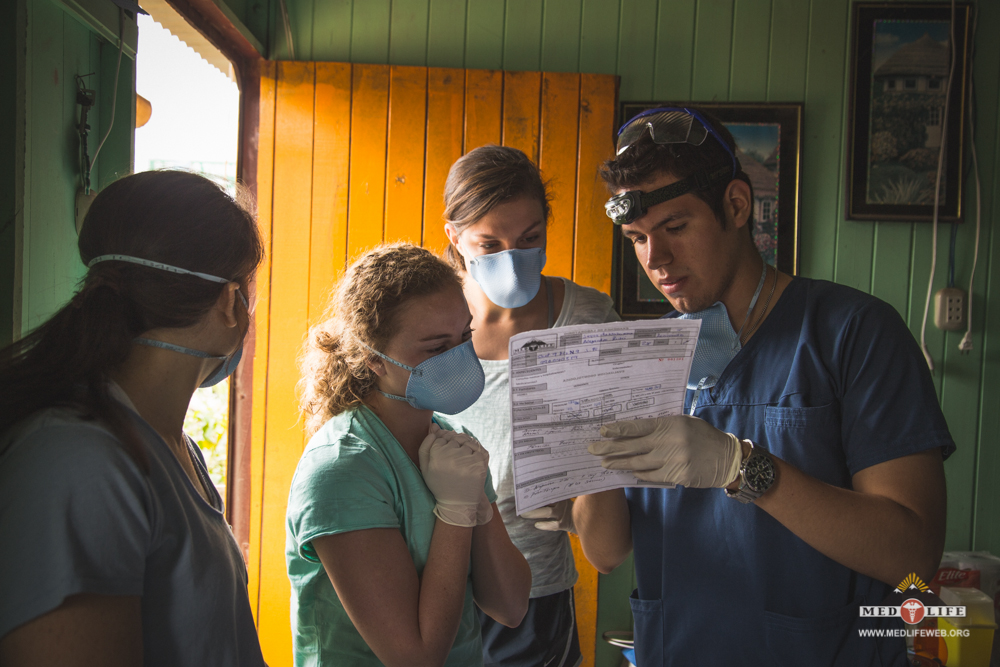
Through social and emotional learning in the classroom, students develop foundational skills. During travel, those skills are applied in real-world contexts. Students must communicate across cultures, adapt to new environments, and reflect on unfamiliar experiences.
A key difference lies in how students engage with communities.
Educational travel programs grounded in Ethical Volunteering ensure that students support ongoing, community-led initiatives rather than short-term activities. They learn from local professionals and understand the importance of long-term care and development.
While some field trips focus on local experiences, educational travel introduces students to global systems and perspectives.
For example, students participating in spanish field trips or international programs may practice language skills while also learning about healthcare systems, infrastructure challenges, and community leadership. This integrated experience strengthens both academic and personal development.
Both traditional field trips and educational travel have value. The difference lies in depth, duration, and intention.
Educators seeking meaningful alternatives should look for programs that prioritize local leadership, long-term impact, and structured reflection. These elements ensure that students gain more than surface-level exposure.
Educational Travel as a Transformative Learning Tool
The value of educational travel lies in its ability to connect knowledge with lived experience.
Students return with stronger critical thinking skills, greater empathy, and a clearer understanding of complex systems. These outcomes extend far beyond what most traditional field trips can offer.