
In an ever-evolving educational landscape, many educators are rethinking traditional teaching methods and exploring more interactive approaches. One of the most effective strategies is learning by doing, which encourages students to actively participate in their education rather than passively absorb information. By integrating hands-on, real world experiences into the classroom, educators can help students build deeper understanding and real-world skills.
Why Learning By Doing Works
Traditional instruction often focuses on memorization and standardized testing, but students retain more when they are actively involved in the learning process. Learning by doing allows students to apply concepts in practical ways, making lessons more meaningful and memorable.
This approach also helps students develop critical thinking, problem-solving, and collaboration skills. Instead of simply learning about a subject, they experience it, leading to stronger engagement and better long-term outcomes.
Bringing Real-World Experiences Into the Classroom
One of the most effective ways to incorporate hands-on learning is by connecting lessons to real-world scenarios. This can include project-based learning, simulations, or case studies that reflect real-life challenges.
For example, instead of teaching environmental science through lectures alone, students can participate in sustainability projects or analyze real data. In subjects like history or social studies, role-playing exercises and debates can help bring topics to life.
These methods make learning more interactive and give students a sense of ownership over their education.
Encouraging Student-Led Learning
Another key aspect of incorporating learning by doing is giving students the opportunity to take initiative. When students are encouraged to ask questions, explore topics independently, and present their findings, they become more invested in the learning process.
Group work and collaborative projects are especially effective. They allow students to share ideas, learn from one another, and develop communication skills that are essential beyond the classroom.
Extending Learning Beyond the Classroom
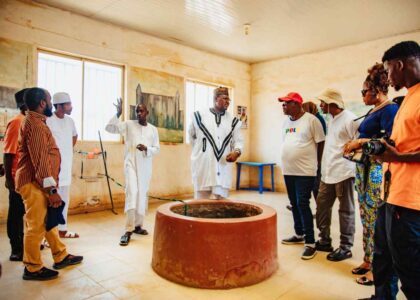
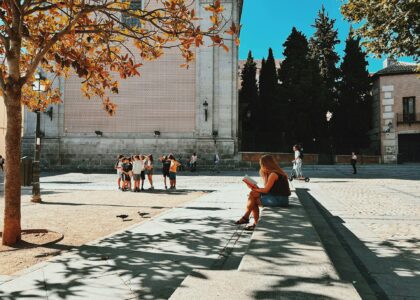
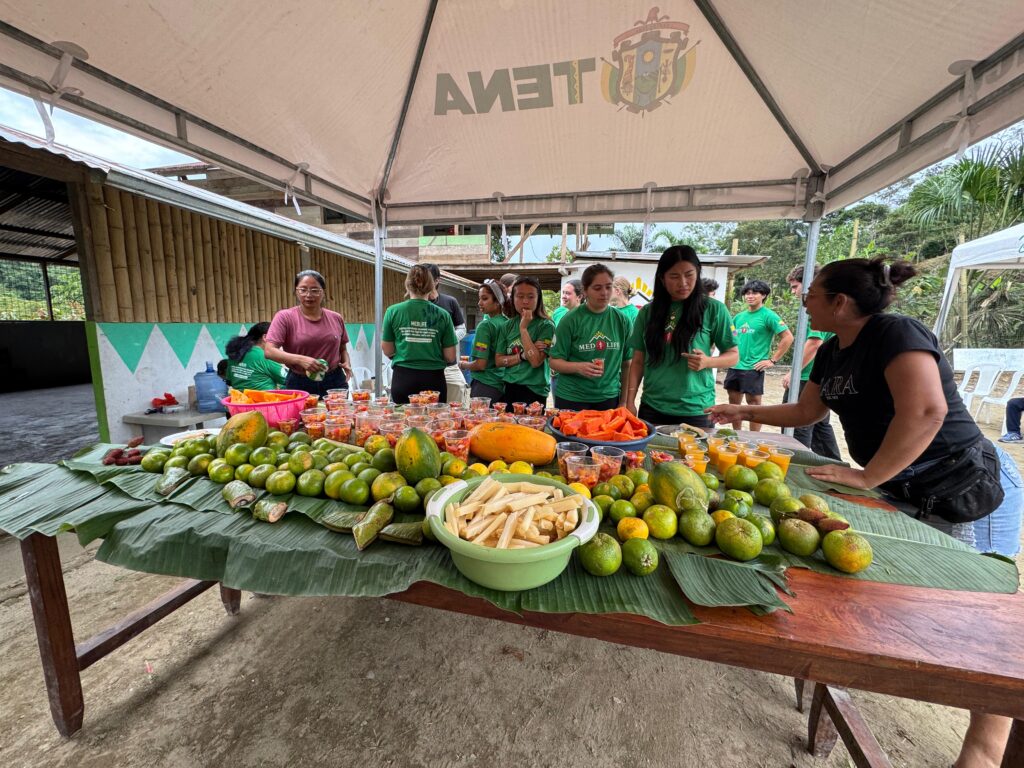
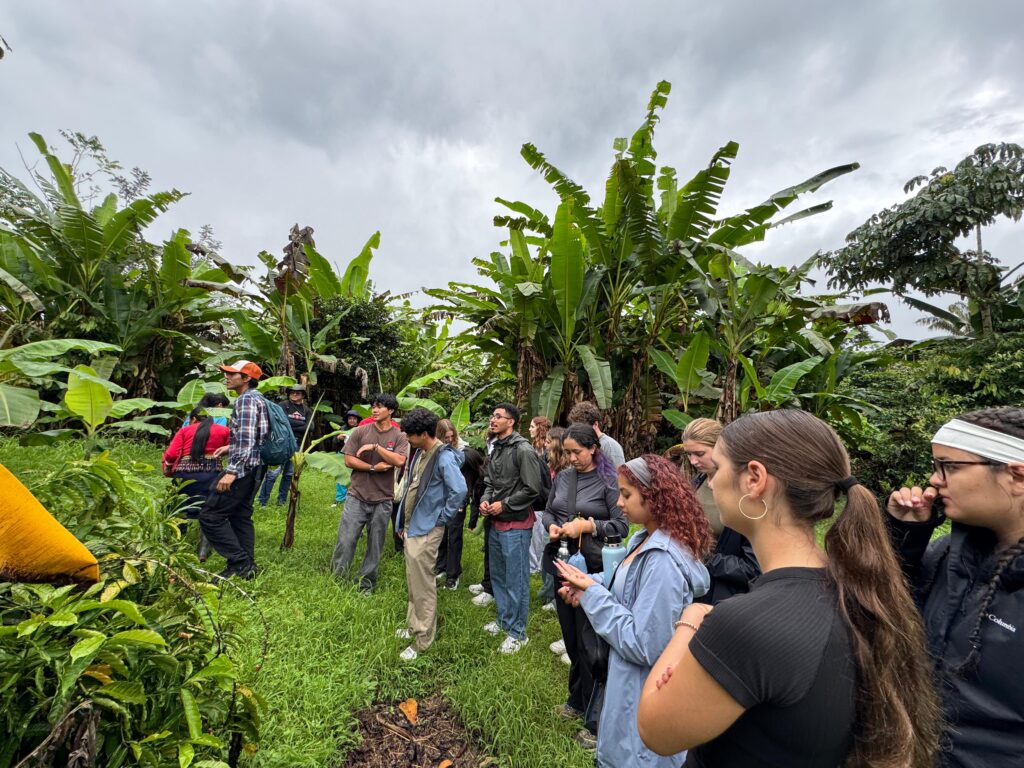
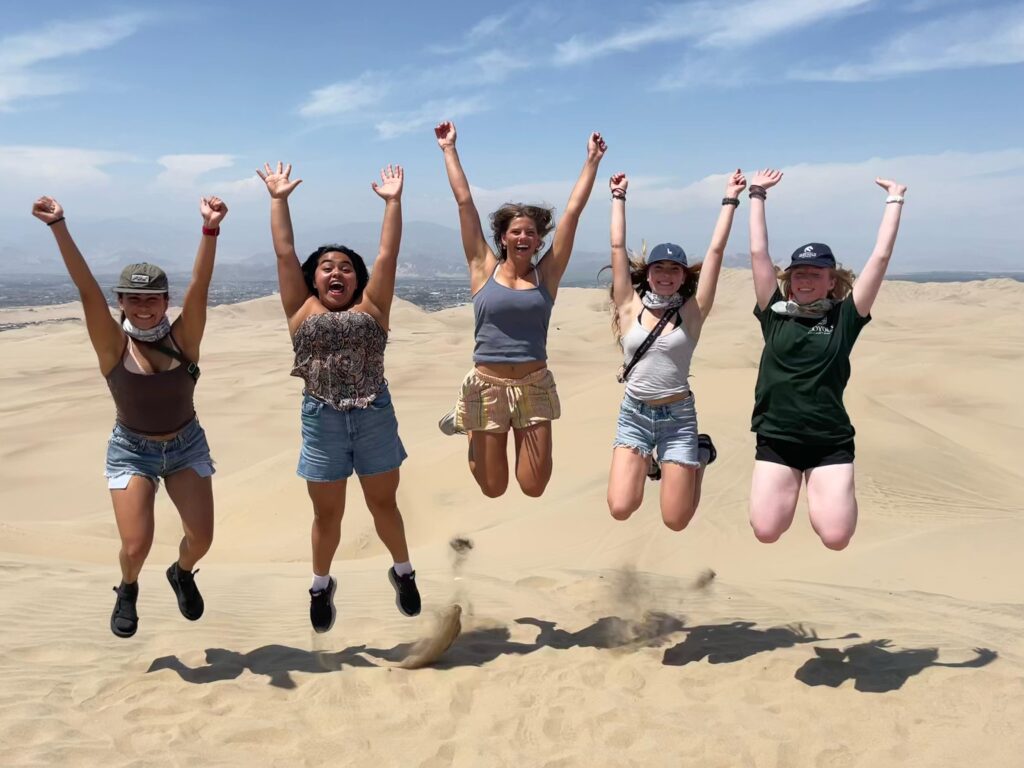
Experiential learning doesn’t have to be limited to school walls. Field trips, travel programs, and community-based experiences provide powerful opportunities for students to engage with the world around them.
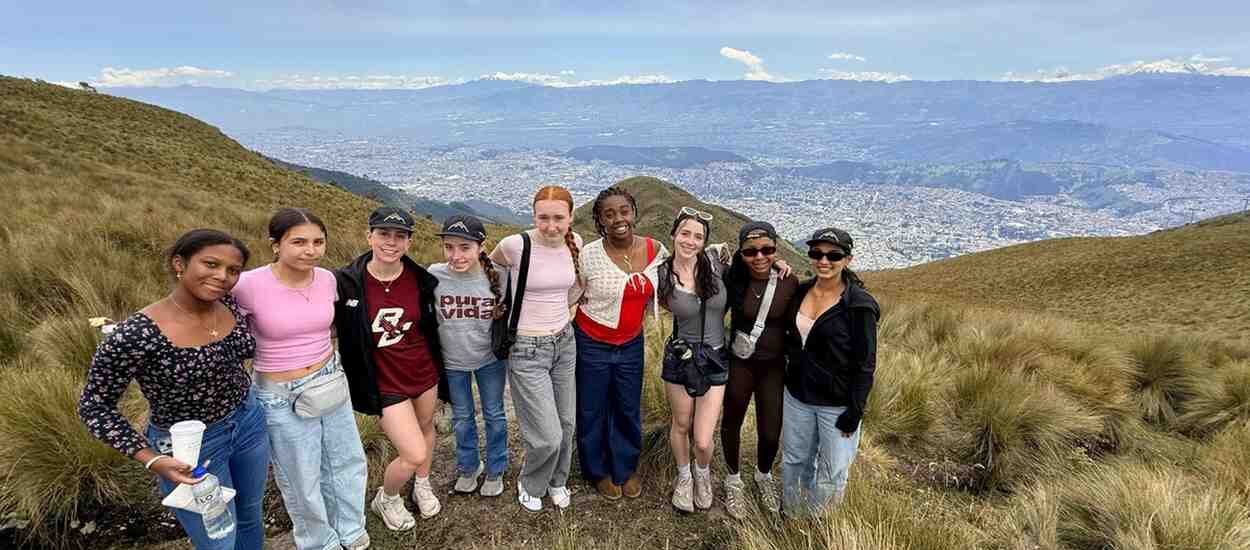
Educational travel, in particular, offers immersive environments where students can apply what they’ve learned in real time. Whether exploring new cultures, engaging with local communities, or observing global systems firsthand, these experiences reinforce classroom concepts in a meaningful way.
Create a Lasting Impact
Incorporating learning by doing into the curriculum helps prepare students for the future. It equips them with the skills and confidence needed to navigate real-world challenges and adapt to new environments.
By shifting from passive instruction to active participation, educators can create more dynamic and impactful learning experiences. Students not only gain knowledge, they gain the ability to apply it.
One of the best ways to get your students out of the classroom and their comfort zones is through immersive travel. Engaged Education offers student trips that are focused on learning from communities in countries like Peru, Ecuador, and Tanzania. Students can participate in outreach projects and cultural immersion. To learn how you can book a trip for you and your students to Latin America or Africa with Engaged Education, download our brochure today!