How to Lead Your First Student Travel Program Abroad
On the first morning of a Service Learning Trip, a student leader stands with their group in a new environment, watching as local staff prepare for the day. There is a quiet moment of uncertainty. What is my role here? How do I guide students responsibly in a place I am still learning to understand?
Leading student travel programs is not about having all the answers. It is about creating a structure where students can learn, reflect, and engage responsibly with the world around them.
Successful leaders recognize that preparation goes beyond logistics.
Before departure, it is important to understand the community context, program goals, and ethical framework guiding the experience. Leaders should be ready to learn alongside students, not position themselves as experts.
Clear expectations shape how students approach the experience.
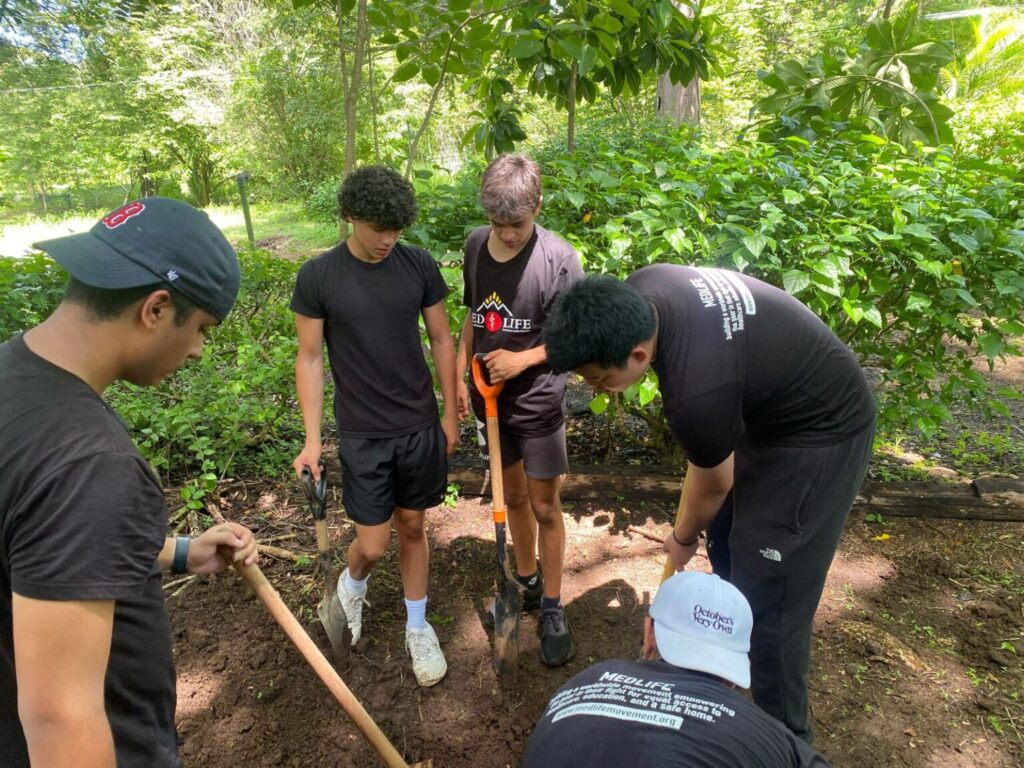
Leaders should emphasize that participation is about learning and collaboration. Students are not there to “fix” problems, but to understand systems and support ongoing, community-led work.
Reflection is one of the most important responsibilities of a trip leader.
Structured reflection sessions help students process what they are experiencing. Leaders can guide discussions that connect observations to larger themes such as Global Health, equity, and access.
Students may encounter unfamiliar environments, new cultural norms, or emotionally complex situations. Leaders play a key role in helping students navigate these moments with empathy and respect.
The best student travel programs provide support systems that prioritize student well-being while encouraging growth. Learn more throughunderstanding the impact of voluntourism.
Partnering with Local Leadership
Effective programs are built on strong local partnerships.
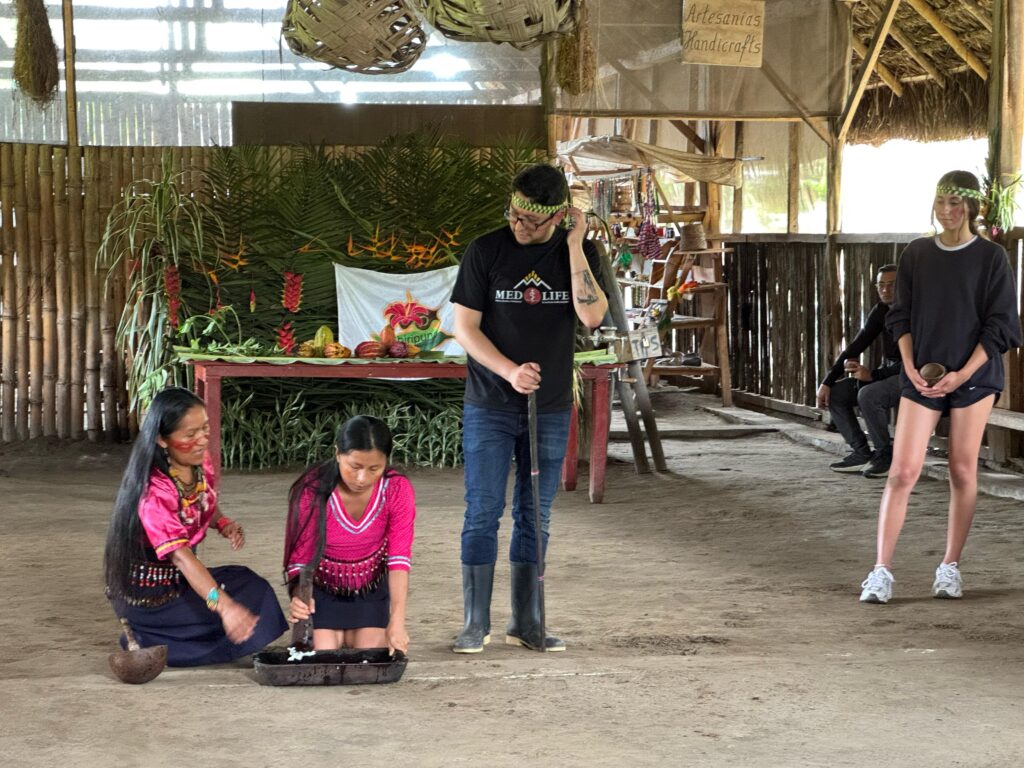
Leaders should reinforce that local staff, healthcare professionals, and community members are the primary decision-makers. This ensures that programs remain relevant, respectful, and sustainable.
Leading student travel programs is an opportunity to shape how students engage with the world.
When done thoughtfully, these experiences help students develop critical thinking, empathy, and a deeper understanding of complex systems. Leaders are not just organizing trips. They are guiding meaningful learning journeys.