
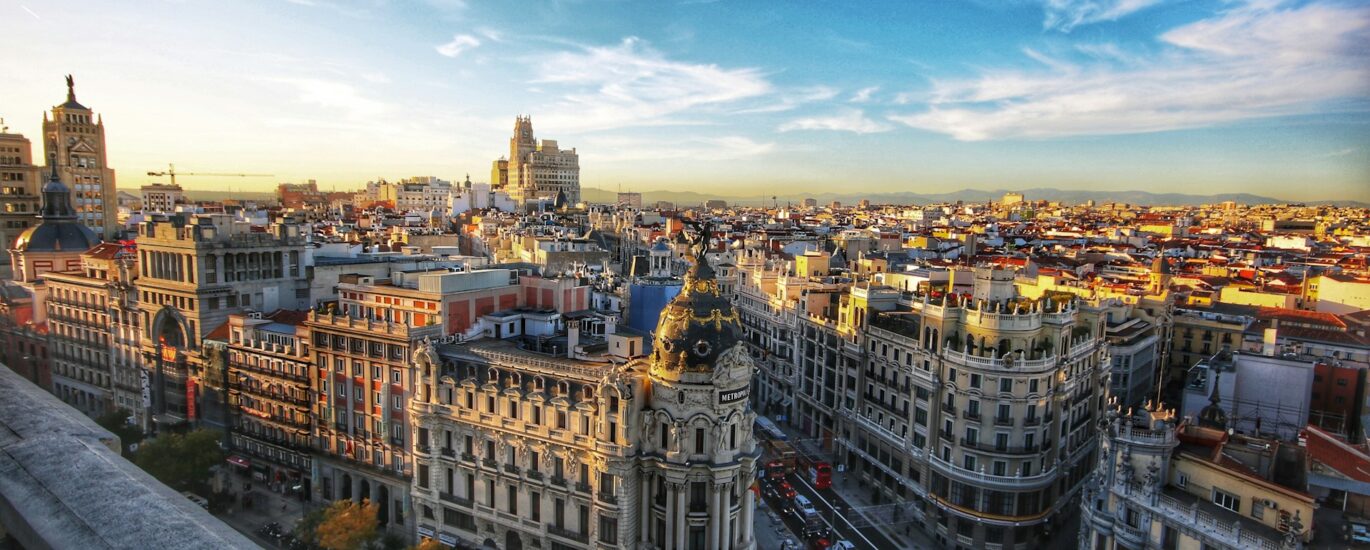
If you’re a high school teacher searching for the best immersion programs for language learning in Spain, you already know the challenge: it’s easy to find trips that check the “sightseeing” box, but much harder to find one that actually pushes students to use the language, engage with real communities, and come home with more than souvenir photos.
That’s the gap the Engaged Education Spain Trip: Barcelona & Madrid Discovery is built to close. Over 10 days, students live Spain, working alongside local organizations, navigating public transport, ordering in Spanish at markets, and cooking alongside native speakers. Here’s what actually makes a program qualify as one of the best immersion programs for language learning in Spain, and how this itinerary delivers on every point.
What Separates a True Immersion Program from a Typical School Trip
Before recommending any program to your department or admissions office, it helps to have a checklist. The best immersion programs for language learning in Spain generally share four traits:
- Structured contact with native speakers — not just a tour guide, but real interactions in restaurants, markets, and community organizations.
- Purposeful cultural context, so language lessons connect to history, art, and daily life rather than existing in a vacuum.
- Hands-on, participatory activities instead of passive sightseeing.
- A logistics framework teachers can trust — transfers, meals, and safety handled so educators can focus on the learning experience.
This 10-day journey through Barcelona and Madrid was designed around exactly these principles.
Real Immersion, Not Just Landmarks
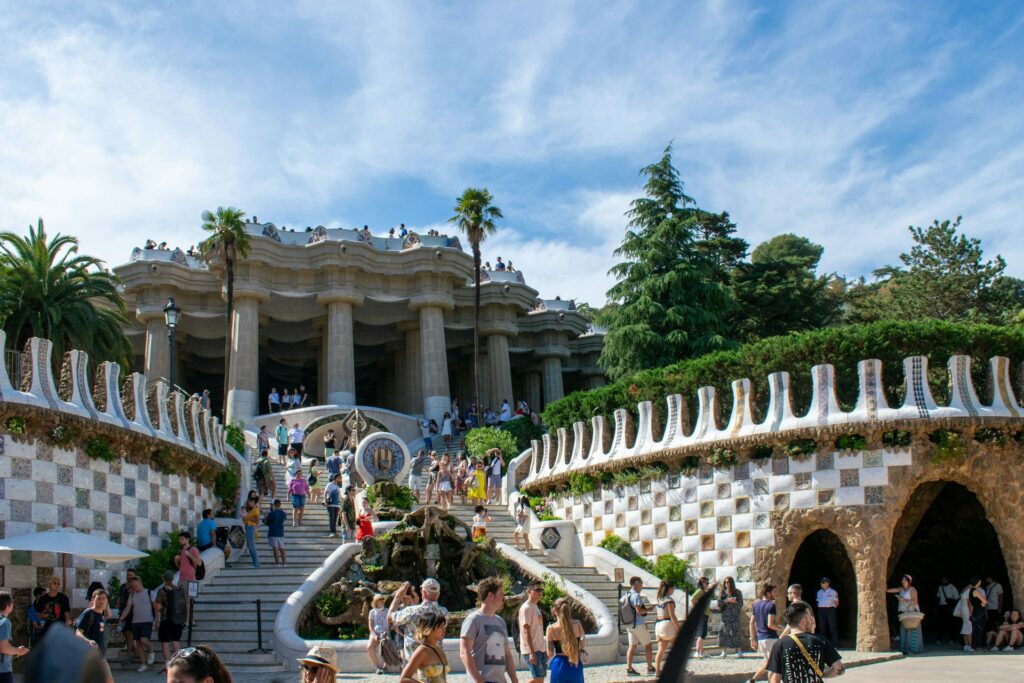
Yes, students will see the Sagrada Familia, Park Güell, and the Prado Museum — and those visits are guided in ways that connect language and history rather than just checking off a list. But the real language-immersion moments happen in between the icons.
On Day 4, students head to Mescladis, a social organization in Barcelona that trains refugees, immigrants, and people with disabilities for employment. After learning about the project directly from the people running it, students take part in a Spanish tapas cooking class — a setting where vocabulary around food, technique, and teamwork gets used naturally, not memorized from a textbook.
In Madrid, the Lavapiés street art workshop puts students in one of the city’s most culturally diverse neighborhoods, where they design their own art and help prepare picnic bags for local children through a partner NGO. It’s language learning through service, which tends to stick far longer than a worksheet.
Add in the San Cristobal Market visit and team-building activity, plus daily transitions using public transport rather than a private bus bubble, and students are constantly prompted to read signs, ask questions, and problem-solve in Spanish — the exact conditions that define effective immersion.
Two Cities, Two Rhythms
Part of what makes this itinerary one of the best immersion programs for language learning in Spain is the deliberate pairing of Barcelona and Madrid. Students experience:
- Barcelona’s Catalan-influenced coastal culture, from a guided walking-tour treasure hunt through the historic center to a coastal bike tour along Barceloneta Beach.
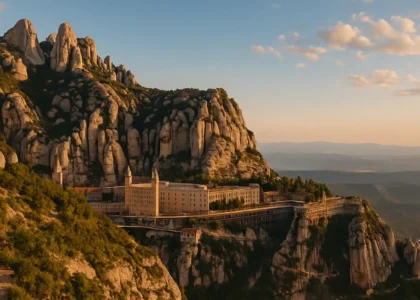
- A day trip to Montserrat, reached by regular train and cogwheel train, adding a rural, mountain-monastery contrast to city life.
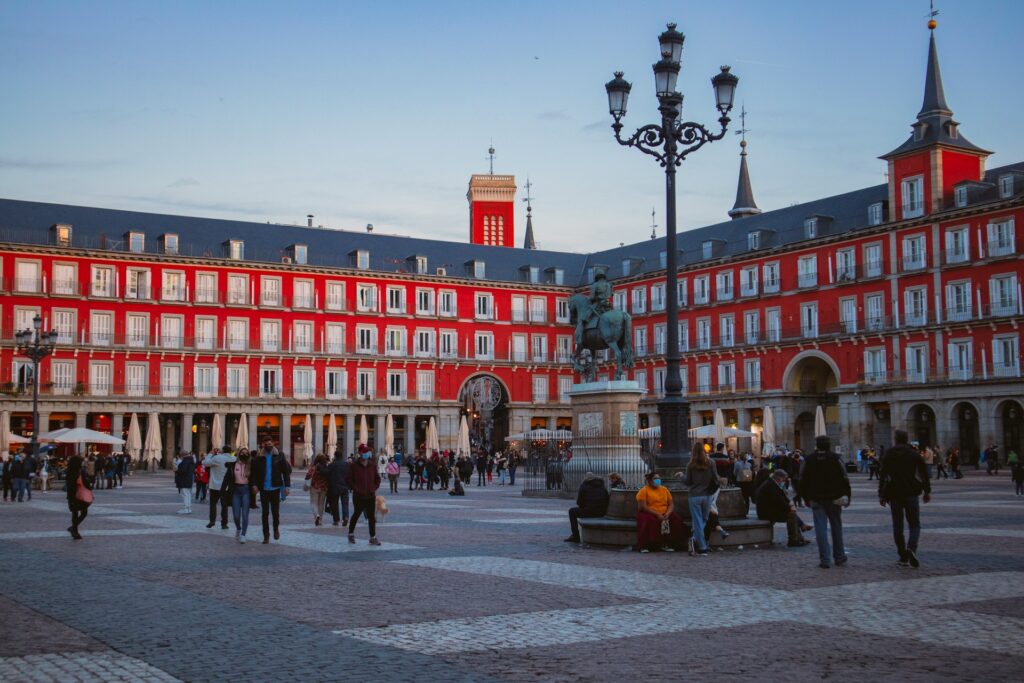
- Madrid’s classic Castilian core: Plaza Mayor, Puerta del Sol, and the Royal Palace, alongside the contemporary, multicultural energy of Lavapiés.
- A high-speed train journey between the two cities, itself a small immersion exercise in navigating Spanish transit and signage.
Two distinct regional identities, two accents, two paces of life: students leave with a far more textured understanding of “Spanish culture” than a single-city trip could offer.
Built for teachers, not just travelers
Any program you bring back to your school needs to survive the practical questions: How are transfers handled? What’s included? Is the schedule realistic for teenagers? This itinerary answers those upfront:
- Airport transfers are included on both arrival and departure.
- Breakfast, lunch, and dinner are built into nearly every day, with local restaurants used for cultural exposure at mealtimes too.
- A dedicated tour leader runs a welcome meeting on Day 1, giving students and chaperones a clear program overview from the start.
- Private transfers are used for larger logistical moves (like the train to Madrid), while public transport is used intentionally on lighter days to keep the immersion authentic.
For a teacher weighing options, that balance of structure and authentic exposure is often the deciding factor — a program that’s organized enough to trust, but immersive enough to justify calling it a language-learning trip rather than a vacation.
Is This the Right Fit for Your Students?
If your goal is a trip where Spanish language and Spanish life aren’t separated into “class time” and “free time,” this 10-day Barcelona & Madrid Discovery program is worth serious consideration. It combines the landmark visits parents expect with the community-based, participatory learning that actually builds language confidence and cultural empathy: the two outcomes that matter most when justifying an international trip to a school board.
For teachers comparing options, it’s a strong answer to the question of what the best immersion programs for language learning in Spain actually look like in practice: less watching, more doing.
Ready to explore Barcelona through meaningful educational travel? Start your journey by downloading the Engaged Education Brochure and learn more about our immersive programs in Spain and beyond.
Interested in creating lasting impact around the world? You can directly assist communities in need by becoming a monthly donor through MEDLIFE’s Moving Mountains initiative.