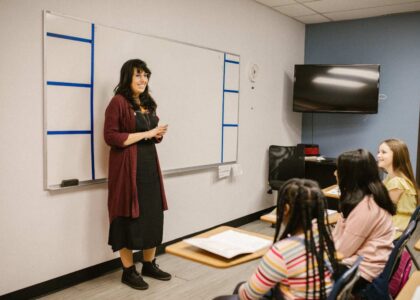

The modern high school classroom has perfected the teaching of core academic subjects, but traditional classroom settings often fall short when it comes to preparing teenagers for the emotional complexities of adulthood. High school students live in a world dominated by digital screens and structured test preparation, and many educators are looking for real-world environments to teach critical life skills in. This is exactly why immersive travel has become such a powerful educational tool.
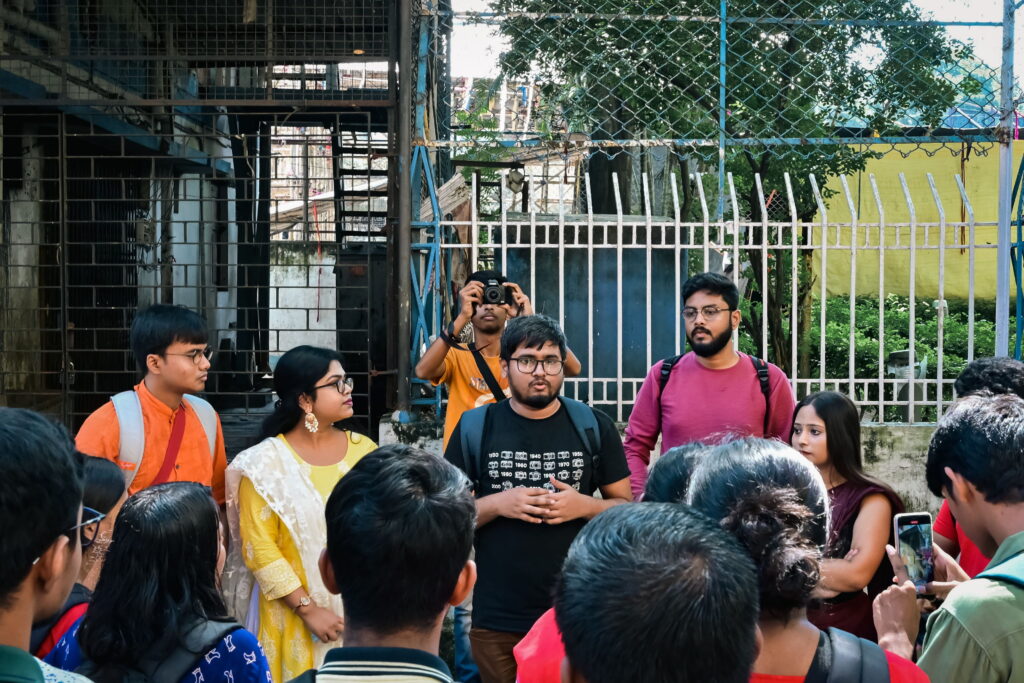
When students step out of their comfort zones and navigate unfamiliar cultures, they aren’t just learning history or geography; they are actively practicing social emotional learning (SEL). Experiential travel provides a living laboratory where students build self-awareness, empathy, and relationship skills in ways that a traditional lecture simply cannot replicate.
The Cognitive Benefits of Productive Discomfort
The transition from childhood to young adulthood is a critical window for personal growth. During this time, the brain undergoes massive rewiring, making the period of psychological development in adolescence uniquely sensitive to environmental influences. Teenagers need experiences that challenge them to think critically, regulate their emotions, and adapt to changing circumstances.
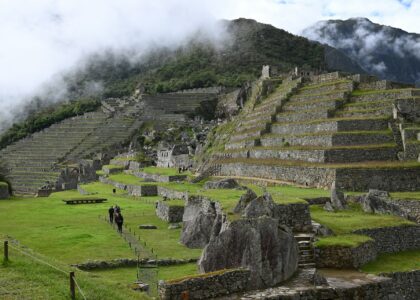
Student travel introduces what educators call “productive discomfort.” Think about a high schooler trying to order food in Madrid using their broken conversational Spanish, or navigating a busy public transit system in Barcelona. These moments require a high level of self-regulation and problem-solving. When a student safely navigates a minor travel hurdle, their brain registers that they are capable of handling unexpected challenges. This hands-on problem-solving builds deep, lasting psychological resilience, transforming abstract classroom lessons into deeply ingrained habits.
How To Teach Global Empathy
Social emotional learning requires moving past self-regulation and developing a deep sense of social awareness. It is one thing to read about systemic global issues or cultural differences in a textbook; it is a completely different experience to look someone in the eye and listen to their story.
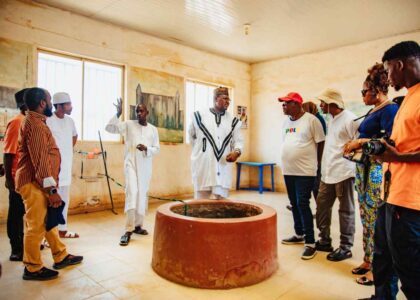
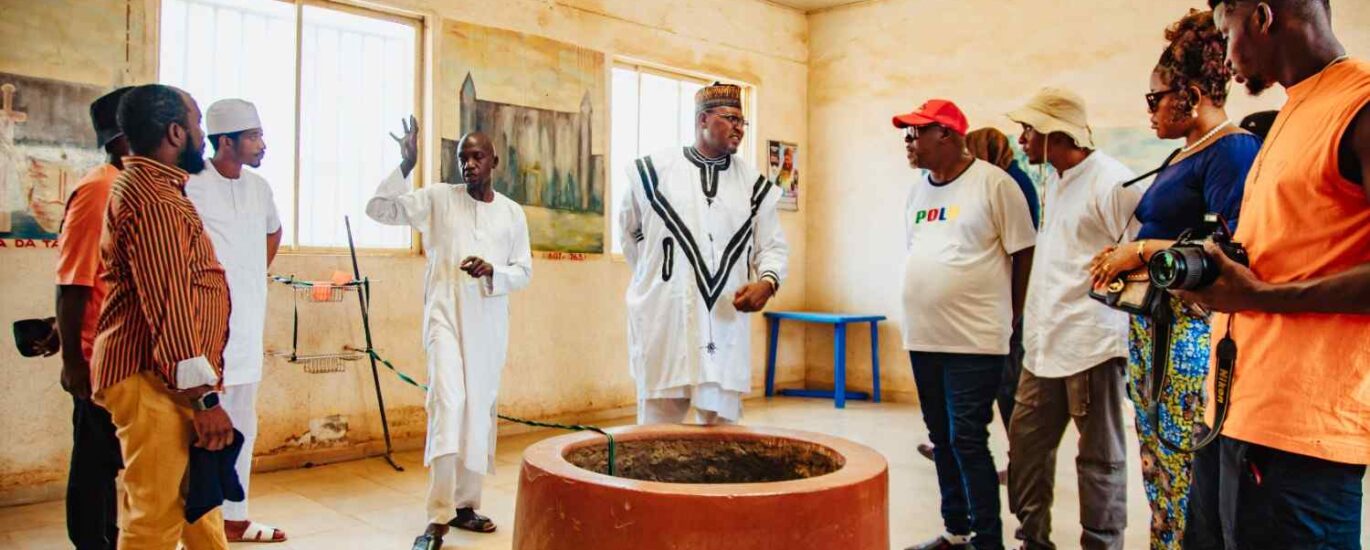
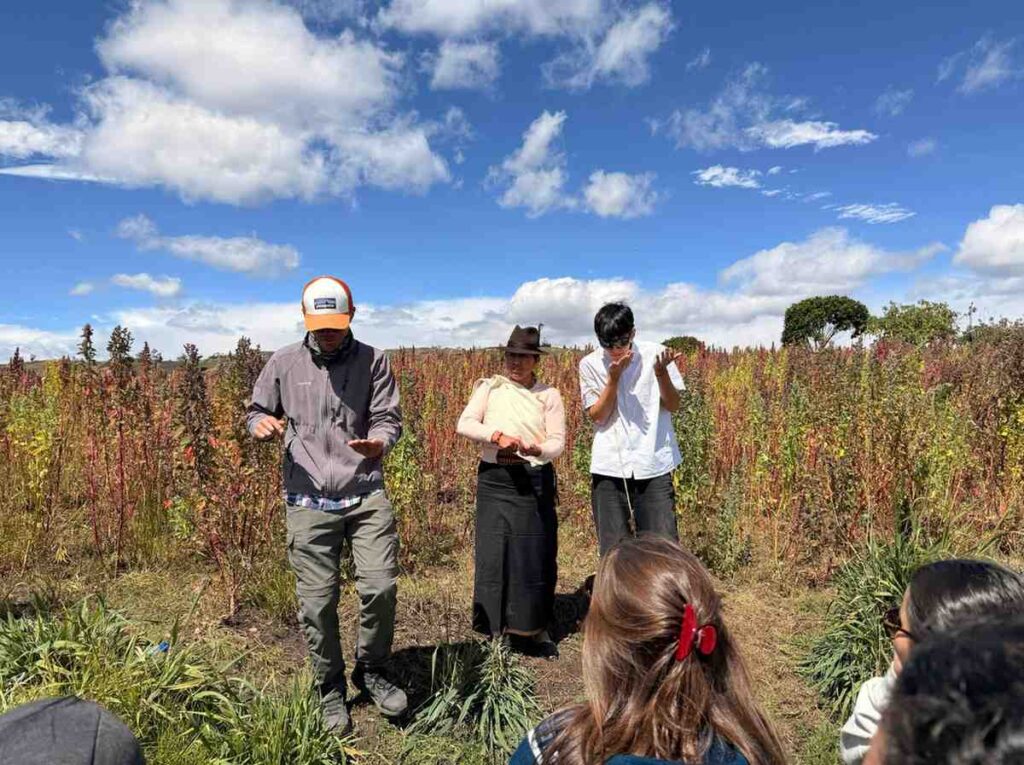
When students participate in curriculum-aligned tours that emphasize social impact, they practice active empathy. Whether they are partnering with a local community initiative in Ecuador or learning about sustainable ecology alongside local guides in Costa Rica, they are forced to see the world from another perspective. This cross-cultural immersion challenges stereotypes, disrupts unconscious biases, and teaches students to value diversity. They return home with a more collaborative mindset and a sophisticated understanding of their role as active global citizens.
Choosing the Right Partner for the Journey
To maximize these emotional and psychological benefits, a trip cannot just be a standard sightseeing vacation. It must be intentionally designed around reflection, community partnership, and safety. If you are an educator looking to bring these life-changing experiences to your classroom, it is crucial to research the best student travel companies for custom group tours. You want to partner with an organization that handles the heavy logistical burdens while prioritizing ethical, socially responsible travel.
Ultimately, the true value of an educational tour is measured by who your students become after the journey. By using the world as a classroom, you give your students the tools to master social emotional learning, ensuring they return home with the resilience, empathy, and confidence to lead the next generation.
Engaged Education offers custom and pre-planned tours through Latin America, Africa, and Europe. To learn more about how you can plan a trip abroad that cultivates social-emotional learning and empathy, download our brochure today!