
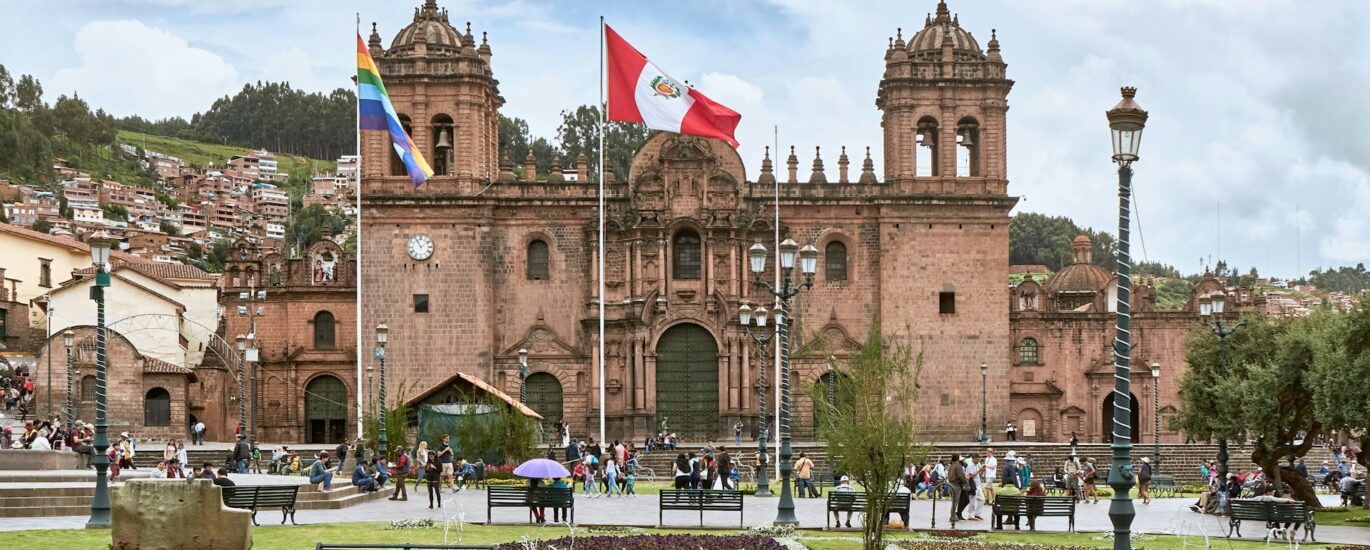
Cusco is one of the most rewarding places in Peru for a school trip. It’s also one of the highest. The city sits at about 3,350 to 3,400 meters (roughly 11,000 to 11,150 feet) above sea level, and most groups arrive by plane in a single morning. Understanding Cusco altitude before departure helps students feel better on arrival and helps teachers plan with confidence.
This guide explains how high Cusco is, how altitude affects the body, and what students can do to prepare. You’ll also learn the warning signs that need attention and how a well-planned itinerary builds in time to adjust. It’s written for teachers organizing a group, parents preparing a student, and students who want to know what to expect. This article is general information. Every student should talk to a doctor before traveling to high altitude.
How high is Cusco, and why does altitude matter?
Cusco’s elevation is far higher than most cities students know. Denver, often called the Mile High City, sits at about 1,600 meters (5,280 feet). Cusco is more than twice that height.
What happens to the body at high altitude
At high altitude, the air holds less oxygen with each breath. The body needs time to adjust, a process called acclimatization. Until it does, many people feel short of breath on stairs or tired after a short walk.
How common altitude sickness is
The U.S. Centers for Disease Control and Prevention (CDC) lists Cusco among popular high-altitude destinations. According to the CDC, acute mountain sickness (AMS) affects about a quarter of visitors who sleep above 2,450 meters (8,000 feet) in places like Colorado. When travelers fly directly to around 3,400 meters, rates can approach 50%. Most cases are mild and improve within one to three days.
Lower places near Cusco
Elevation changes quickly around Cusco. The Sacred Valley sits lower than the city, and Machu Picchu is lower still, at about 2,430 meters (7,970 feet). Spending time at these lower elevations can help the body adjust.
Cusco altitude sickness: symptoms and warning signs
Knowing what to watch for helps chaperones respond early.
Common symptoms
According to the CDC, the main symptom of altitude sickness is headache. It usually comes with one or more of these:
- Loss of appetite or nausea
- Dizziness
- Fatigue
- Occasional vomiting
Symptoms often start 2 to 12 hours after arrival. Students who feel unwell should rest and tell a chaperone right away.
Warning signs that need medical care
Rarely, altitude illness becomes serious. The CDC lists these warning signs:
- Confusion, drowsiness, or trouble walking in a straight line
- Chest congestion, a persistent cough, or breathlessness at rest
- Symptoms that get worse despite rest
These signs need immediate medical attention. In serious cases, going to a lower altitude is the most important treatment. Chaperones should know where the nearest clinic is and how to reach the trip provider’s emergency line.
How students can prepare for Cusco’s altitude
Preparation starts weeks before the flight and continues during the first days in Cusco.
Before the trip
- See a doctor. Students with asthma, heart conditions, anemia, or other health concerns need a medical review before travel. A doctor can also discuss whether medication to help prevent altitude sickness is appropriate.
- Share health information. Families should list conditions and medications on the medical form so chaperones and staff know what to watch for.
- Pack smart. Bring layers for cold mornings and evenings, sunscreen, sunglasses, a hat, and a refillable water bottle. Our international trip packing list covers the rest.
During the first days
- Take it easy. The CDC recommends keeping exercise mild for the first 48 hours at altitude.
- Avoid alcohol. The CDC advises avoiding alcohol for the first 48 hours. School programs also set their own rules on this.
- Eat light meals and rest. A slow first day helps students enjoy the rest of the trip.
- Speak up early. Students should tell a chaperone as soon as they feel unwell.
You’ll also see coca tea offered in many hotels and cafés in Cusco. It’s a local tradition. Families with questions about it should ask their doctor before the trip.
How a well-planned itinerary helps
Itinerary design makes a real difference at altitude. On Engaged Education’s 8-day Language Immersion in Cusco program, students meet their group leader at the airport and spend the first day settling in. Day 2 starts with an orientation and safety meeting, followed by a walk through the city. Later in the week, students spend a night in the Sacred Valley, which sits lower than Cusco, before visiting Machu Picchu.
For more safety guidance, see our Peru travel safety tips. For an overview of the program itself, read our Peru language immersion guide.
FAQ
What is the altitude of Cusco?
Cusco sits at about 3,350 to 3,400 meters, or roughly 11,000 to 11,150 feet, above sea level. It’s one of the highest cities that students commonly visit.
How long does it take to adjust to Cusco’s altitude?
Most mild symptoms improve within one to three days, according to the CDC. Resting, keeping activity light, and avoiding alcohol during the first 48 hours can help.
Is Cusco safe for high school students with asthma?
Many students with well-managed asthma travel to Cusco. Every student with a health condition should see a doctor before the trip and share their medical information with the program.
Plan a Cusco trip with altitude in mind
Cusco’s altitude is manageable with good planning, honest health information, and a realistic first few days. Engaged Education’s Cusco program pairs Spanish lessons with visits to Cusco, the Sacred Valley, and Machu Picchu, supported by a group leader and local guides.
Fill out our form to learn more about our Language Immersion in Cusco program.