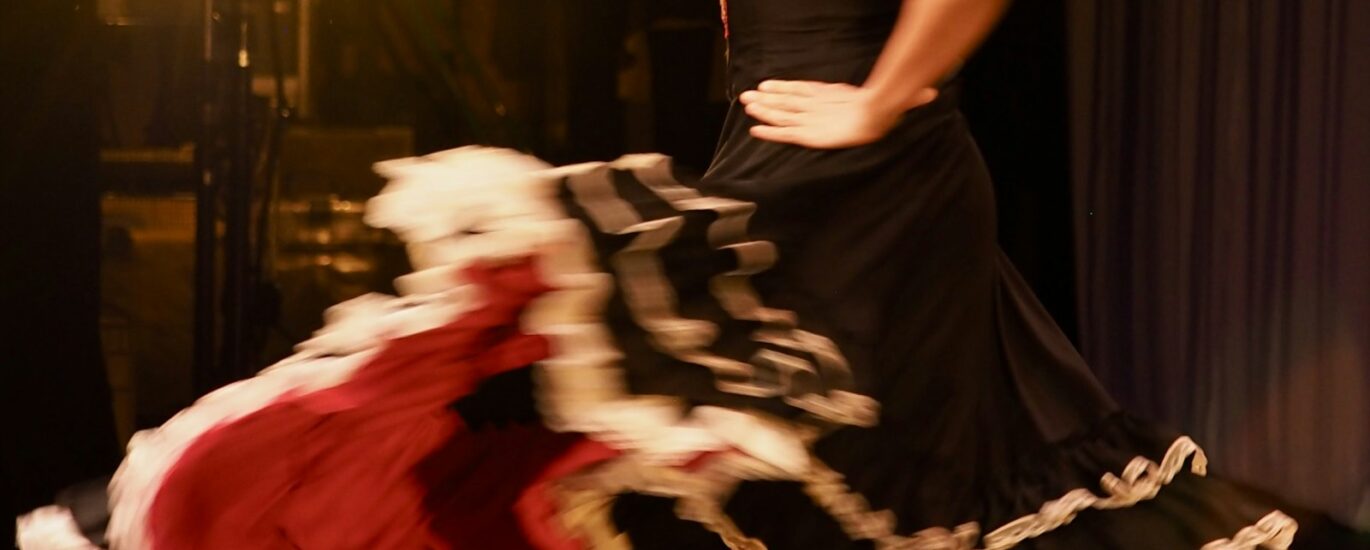
Flamenco is one of the best-known art forms in Spanish culture. It is also one of the most misunderstood. Many students picture a red dress and castanets and stop there. Teaching flamenco history gives your class a richer picture. It connects music, dance, poetry, migration and identity in one topic.
This guide is written for Spanish, music and social studies teachers. You will learn where flamenco comes from and which communities shaped it. You will also see its three core elements and the key moments in its development. At the end, you will find classroom activity ideas and answers to common student questions. Use it to build a single lesson or a short unit before a trip to Spain.
Where Flamenco Comes From: Andalusia and Its Communities
Flamenco grew up in southern Spain. UNESCO names Andalusia as its heartland, with roots also in the regions of Murcia and Extremadura. Andalusia sits at a crossroads. Over centuries, it absorbed influences from many cultures that lived there or passed through.
The Gitano (Spanish Roma) community played an essential role in flamenco’s development. UNESCO highlights this point directly in its description. Flamenco is also a badge of identity for many other groups in Spain today. This is a good moment to discuss with students how art forms often come from communities that faced exclusion.
Flamenco traditionally lived in homes, family gatherings, religious festivals and private celebrations. Families passed songs and styles from one generation to the next. UNESCO notes that flamenco is still passed on through family dynasties, social groups and flamenco clubs.
A good discussion question
Ask students: who “owns” an art form that started in one community and later became a national symbol? There is no single correct answer. The question helps students think about cultural heritage with care.
Key Moments in Flamenco History
You can teach flamenco history as a timeline. Three moments work well in a classroom.
The cafés cantantes
In the late 19th century, flamenco moved into cafés cantantes. These were venues where audiences paid to hear singers, guitarists and dancers. Andalusia’s official tourism board describes this period as the time when flamenco became a professional art form. Singer Silverio Franconetti ran one of the best-documented cafés, in Seville.
The 1922 Cante Jondo Contest
In June 1922, composer Manuel de Falla organized the Concurso de Cante Jondo in Granada. Poet Federico García Lorca was one of its most active supporters. The contest took place at the Alhambra. It was open only to amateur singers and guitarists. Falla worried that “cante jondo,” the deep song of flamenco, was disappearing. One of the winning singers was a 12-year-old boy who later became famous as Manolo Caracol. Students usually enjoy that detail.
UNESCO recognition in 2010
In 2010, UNESCO inscribed flamenco on its Representative List of the Intangible Cultural Heritage of Humanity. This list recognizes living traditions such as music, dance and festivals. You can read the official description on the UNESCO flamenco page. International Flamenco Day is celebrated every November 16.
The Three Elements of Flamenco History in Practice
UNESCO describes flamenco as a combination of three elements. Each one gives you a different classroom angle.
- Cante (song). The vocal part. Singers often perform seated. The lyrics are short and simple, yet they carry emotions from grief to joy. Spanish teachers can use short verses for reading and translation.
- Toque (guitar). The flamenco guitar started as accompaniment. It later became an art in its own right. Music teachers can compare its rhythm patterns with other guitar traditions.
- Baile (dance). The dance expresses many moods, from sadness to celebration. Hand-clapping (palmas), foot-stamping and castanets add rhythm.
Classroom activity ideas
- Listening log. Play two short recordings with different moods. Students describe the emotion and the instruments they hear.
- Palmas practice. Teach a simple clapping pattern. It shows students that rhythm is the base of flamenco.
- Timeline poster. Small groups research one moment from the section above and present it.
- Vocabulary list. Introduce words like cante, toque, baile, palmas and duende. Spanish classes can build these into a short quiz.
These activities fit well with lessons on cross-cultural learning for teens. They also prepare students for travel by giving them cultural context before they arrive.
Studying Spanish Culture Before a Trip to Spain
Flamenco is a starting point for a broader study of Spanish culture. It shows students that Spain has strong regional identities. Andalusia, Catalonia and Madrid each have their own history, food and traditions.
Our Spain Global Impact Fellowship 2027 does not include a flamenco show. The program focuses on Barcelona and Madrid. Students visit the Sagrada Familia, Park Güell and the Montserrat monastery. In Madrid, they tour the Royal Palace area and take a guided student visit to the Prado Museum. They also join a Lavapiés street art workshop and meet local social organizations, such as Mescladis in Barcelona. A flamenco unit before departure helps students compare regional cultures once they are on the ground. For more ideas, see why Spanish students should travel to Spain and our guide to cultural festivals in Europe.
FAQ
Where did flamenco originate?
Flamenco originated in Andalusia, in southern Spain, with roots also in Murcia and Extremadura. The Gitano (Spanish Roma) community played an essential role in its development.
What are the three main elements of flamenco?
Flamenco combines cante (song), toque (guitar playing) and baile (dance). Hand-clapping, foot-stamping and castanets are also part of the performance.
When did UNESCO recognize flamenco?
UNESCO inscribed flamenco on its Representative List of the Intangible Cultural Heritage of Humanity in 2010. International Flamenco Day is celebrated every November 16.
Bring Spanish Culture to Life With Your Students
A flamenco unit gives students context for Spain’s regional diversity before they travel. Our Spain Global Impact Fellowship 2027 is a 10-day program in Barcelona and Madrid built for high school groups. Fill out our form to learn more.
Start your journey by downloading the Engaged Education Brochure and learn more about our immersive programs in Spain and beyond. Interested in creating lasting impact around the world? You can directly assist communities in need by becoming a monthly donor through MEDLIFE’s Moving Mountains initiative.