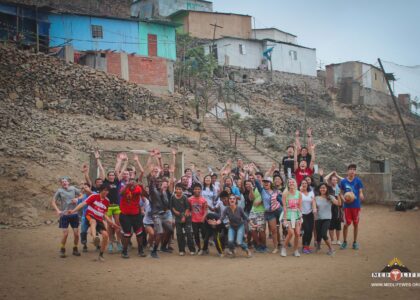

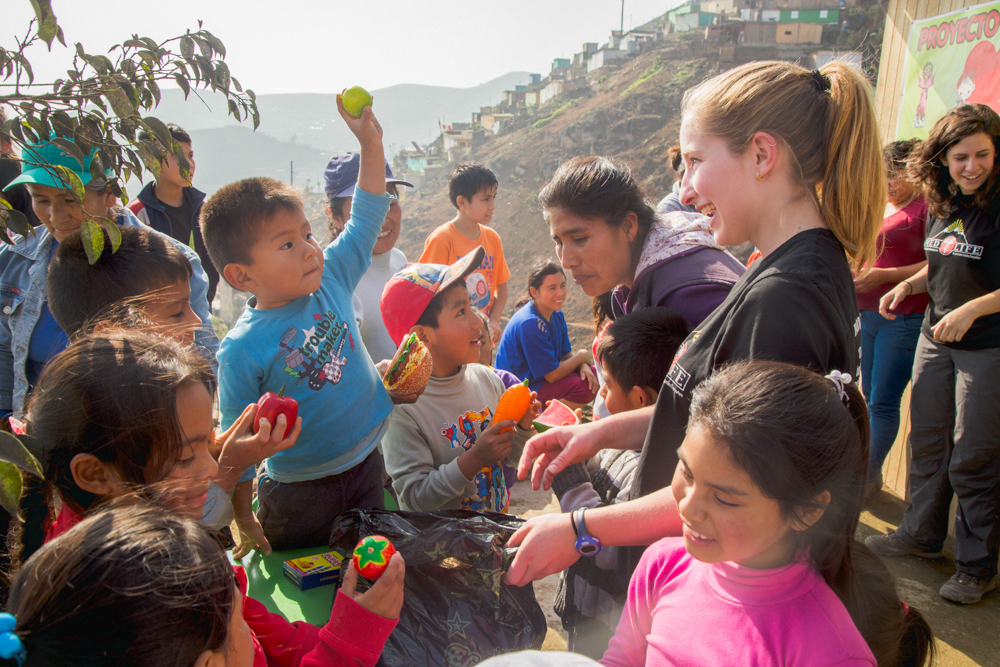
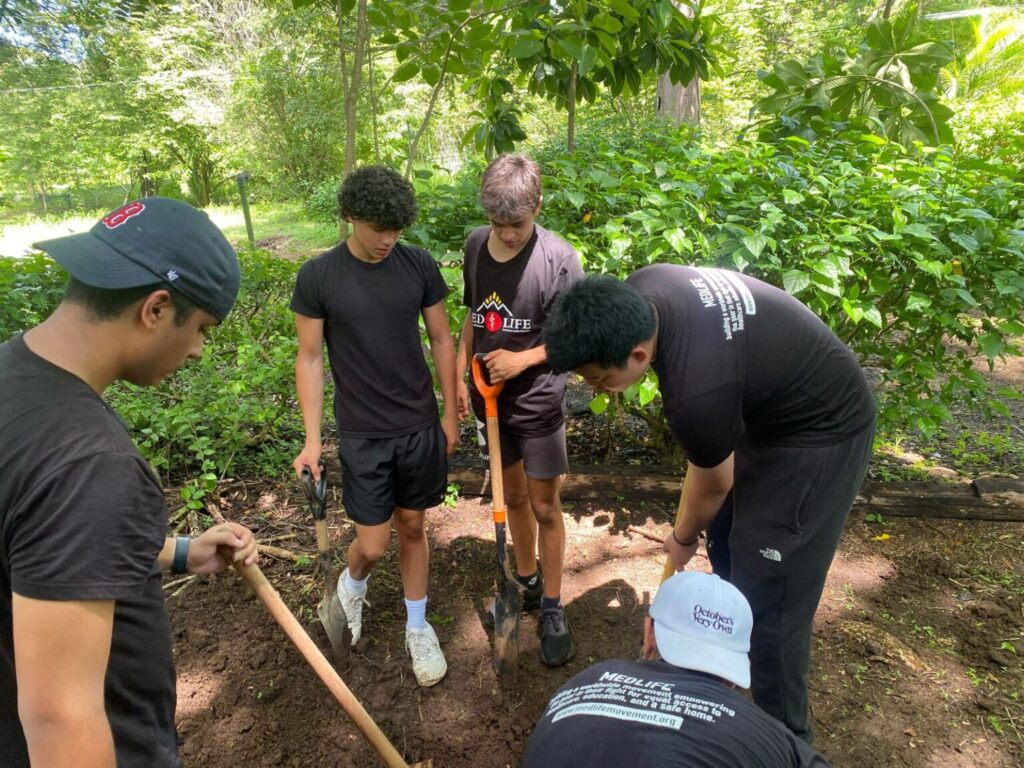
In a small community outside Cusco, Peru, a group of students gathered beside local families to help build a greenhouse through MEDLIFE’s Healthy Homes initiative. The project was not a one-day act of charity. Community members had already spent months organizing, planning, and contributing labor through MEDLIFE’s 50-50 model. Local leaders guided every step. Students were there to learn, collaborate, and better understand how health, housing, education, and economic opportunity are deeply connected.
Moments like these reveal why global awareness matters far beyond the classroom. Today’s students are entering a world shaped by interconnected economies, migration, climate challenges, public health concerns, and cultural exchange. Academic success alone is no longer enough. Students also need empathy, cultural understanding, and the ability to work respectfully with people whose experiences may differ from their own.
Educational travel and service learning programs can help students develop those skills when approached thoughtfully and ethically. At Engaged Education and MEDLIFE, the goal is not to “save” communities. The goal is to create meaningful learning experiences that encourage students to listen, reflect, and engage responsibly in a global society.
Why Global Awareness Matters in Education
Many students first encounter global issues through textbooks, social media, or classroom discussions. While these tools are valuable, firsthand experiences often create deeper understanding. When students step into another community, hear local perspectives, and participate in collaborative projects, abstract ideas become real people and real relationships.
This is especially important in fields like healthcare, education, public policy, and environmental science. Students who understand cultural context are often better prepared to communicate, problem-solve, and work ethically in diverse settings.
As explored in Engaged Education’s article on cultural competence through travel, cultural awareness involves more than simply visiting another country. It requires learning how to communicate respectfully, recognize different perspectives, and understand how culture shapes daily life.
For many students, these experiences become the beginning of a lifelong commitment to learning and engagement. Through opportunities centered on cultural immersion, students begin developing the communication skills and adaptability needed in an increasingly interconnected world.
How to Teach Empathy Through Experience
One of the most common questions educators ask is how to teach empathy in a meaningful way. Empathy cannot simply be assigned through worksheets or lectures. It grows through listening, reflection, and human connection.
That is why immersive educational experiences can be so powerful.
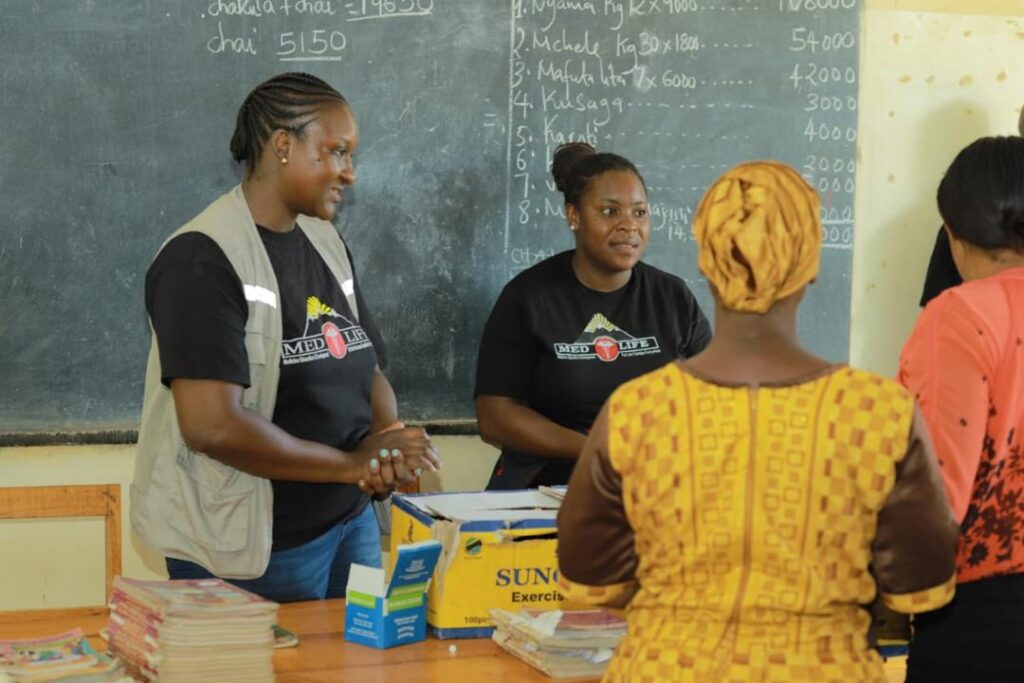
On MEDLIFE Service Learning Trips, students may spend time speaking with local healthcare professionals, learning from community leaders, or participating in educational workshops with children. These interactions encourage students to move beyond assumptions and approach communities with humility and curiosity.
In Engaged Education’s post about teaching empathy and understanding through educational tours, travel is described as an opportunity for students to expand their worldview through direct engagement rather than observation alone.
Students often arrive thinking primarily about what they can contribute. They leave realizing how much they have learned from others. These types of experiences centered around expanding perspectives encourage students to become more reflective, empathetic, and aware of how different communities navigate daily challenges and opportunities.
This shift matters. Ethical volunteering is not about positioning students as heroes. It is about helping students understand systems, relationships, and shared humanity.
From Volunteerism to Responsible Global Citizenship
There is a difference between short-term voluntourism and ethical service learning. Communities do not need outside visitors making decisions for them. Sustainable development requires local leadership, long-term partnerships, and ongoing support systems.
MEDLIFE’s model reflects this approach by working primarily with local staff, healthcare professionals, and community leaders. More than 90 percent of MEDLIFE staff are local to the regions they serve. Health screenings connect patients to follow-up care and public health systems rather than operating as isolated medical events. Development projects are selected based on community priorities and long-term sustainability.
This structure helps students better understand how to become a global citizen responsibly.
Being a global citizen is not about traveling frequently or posting photos online. It means recognizing how our actions affect others, understanding systemic challenges, and engaging thoughtfully with global communities.
Students begin to see how issues such as housing, healthcare access, transportation, and education overlap. A staircase in a hillside community can improve emergency access, increase safety, and help families qualify for land titles and utilities. A greenhouse can support nutrition and family income. Preventative health education can help patients seek care earlier and improve long-term outcomes.
These lessons help students move beyond surface-level volunteering toward a more informed understanding of Sustainable Development and Community Empowerment. Through ethical service learning, students gain a better understanding of how long-term partnerships and local leadership contribute to lasting change.
To explore this idea further, students can read Engaged Education’s article on service learning and global citizenship.
Learning Through Collaboration, Not Observation
One of the most valuable aspects of educational travel is the opportunity to participate rather than simply observe.
In Peru, students may join discussions about safe housing in rural Andean communities. In Ecuador, they may learn how environmental conservation and public health intersect. During school visits, students might assist local teachers while also practicing language skills and learning from the students themselves.
These experiences encourage active reflection and meaningful collaboration. Participating in a cross-cultural classroom or community setting allows students to build communication skills while learning directly from local educators, families, and students.
As discussed in Engaged Education’s article about indigenous culture immersion, cultural exchange becomes most meaningful when students approach communities with openness and respect.
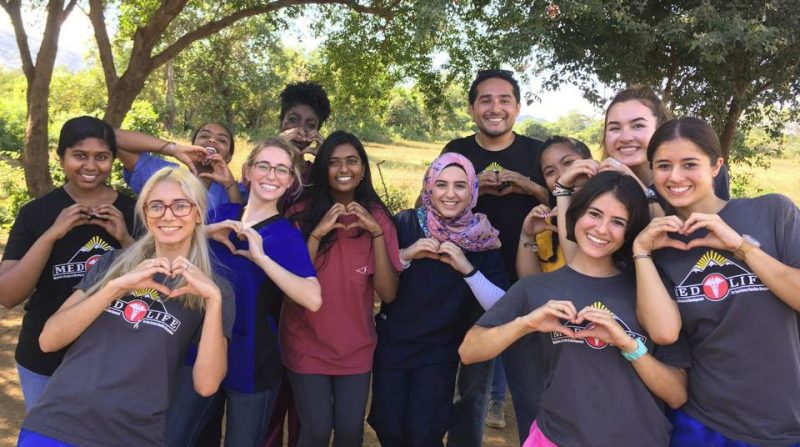
Students are not passive observers. They become participants in conversations about culture, health, sustainability, and social responsibility.
This type of Hands-on Experience often shapes future careers and personal values. Experiences focused on meaningful connections and collaborative learning frequently help students better understand social responsibility, communication, and ethical engagement. Many students return home with a stronger interest in Global Health, public service, medicine, education, or nonprofit work. Others simply gain a more thoughtful understanding of the world around them.
The Long-Term Ripple Effect of Global Awareness
The impact of ethical educational travel extends beyond a single trip.
Students who participate in immersive learning experiences often become more engaged in their local communities after returning home. They may start campus initiatives, pursue research opportunities, or advocate for more equitable systems in their future professions.
Communities also benefit when partnerships are long-term and community-led. MEDLIFE’s development projects continue long after students return home because they are built alongside local residents and supported through ongoing relationships.
This is what separates ethical service learning from temporary volunteering experiences. The focus remains on sustainability, partnership, and mutual learning.
Programs rooted in respect and collaboration help students understand that meaningful change rarely happens instantly. It requires patience, consistency, and listening to the people closest to the challenges.
Engaged Education - Transformative Educational Travel Experiences
In our interconnected world, global awareness is not an optional skill for students. It is an essential part of becoming an informed, empathetic, and responsible member of society.
Educational travel can help students better understand cultural differences, public health challenges, environmental sustainability, and the importance of ethical collaboration. More importantly, it can teach students how to listen, reflect, and engage with humility. Programs that encourage understanding culture through art and shared cultural experiences help students see the world through a broader and more inclusive lens.
If you are interested in learning through immersive travel experiences rooted in ethical collaboration and cultural exchange, download the Engaged Education brochure to explore upcoming programs.
You can also directly assist communities through sustainable development initiatives by becoming a monthly donor to MEDLIFE. Even small contributions can help support long-term community-driven projects in low-income communities.