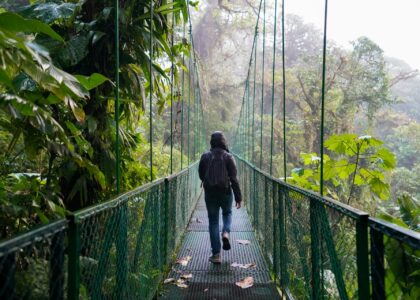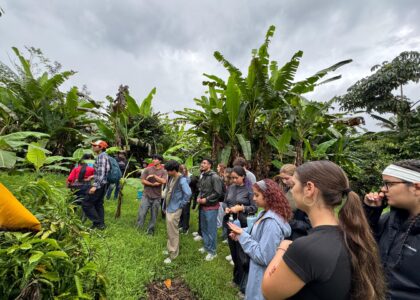

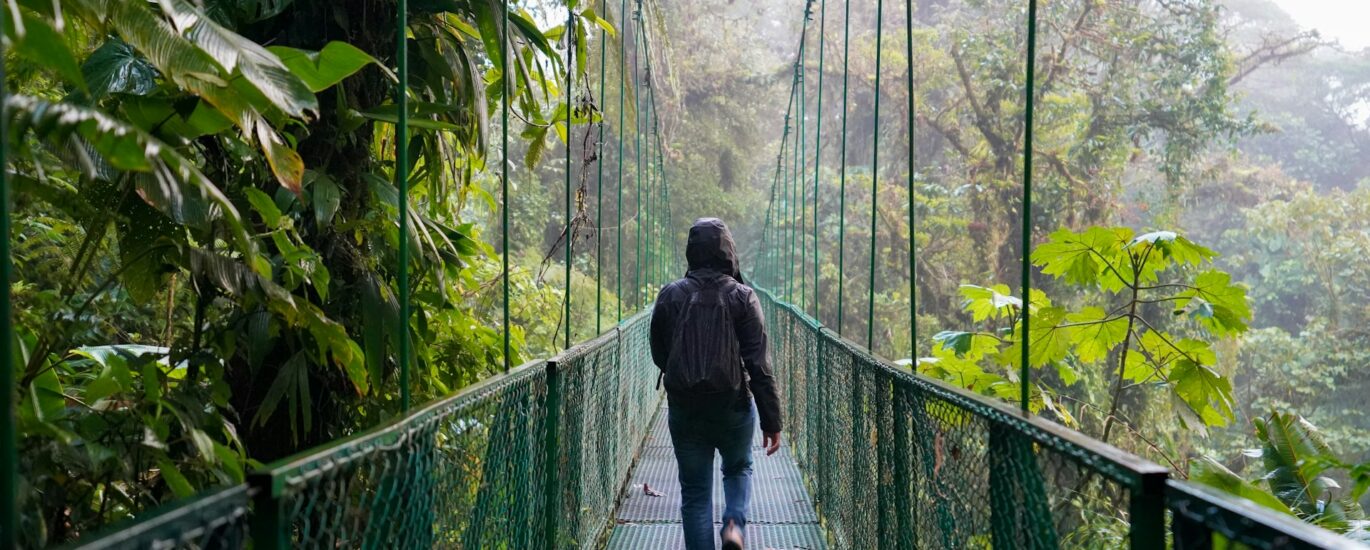
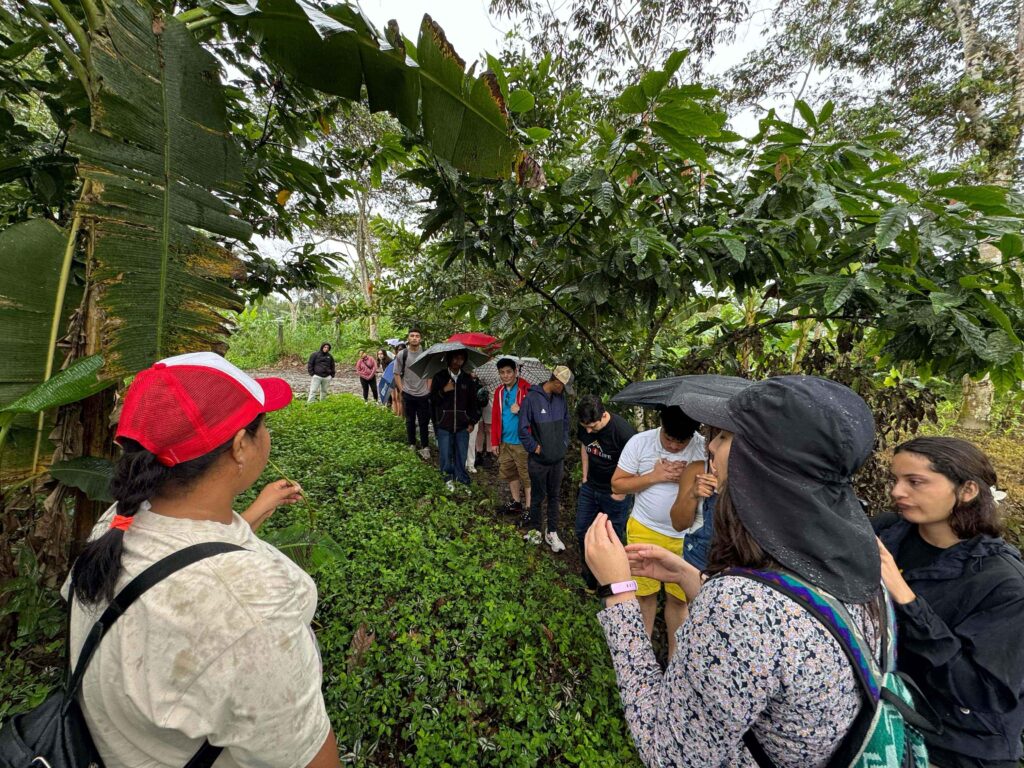
In a coastal community in Costa Rica, a group of students stands at the edge of a protected forest while a local guide explains how biodiversity, conservation policy, and tourism intersect. Later that day, the same group participates in a sustainability workshop led by community members who manage local environmental initiatives.
This is learning outside the classroom in action. It is not just observation. It is participation, reflection, and understanding how global systems operate in real places.
For students exploring student tours to Costa Rica or planning class trips to Costa Rica, knowing what this experience looks like can help set the right expectations.
Why Learning Outside the Classroom Matters
Traditional classrooms provide important foundations, but they cannot fully replicate real-world complexity. Learning outside the classroom allows students to connect theory with lived experience.
Students begin to see how topics like Global Health, environmental science, and Sustainable Development intersect in everyday life.
If you are interested in how travel enhances education, explore how educational travel enhances college applications.
What Student Tours to Costa Rica Look Like Day to Day
Well-structured student tours to Costa Rica are designed to balance education, engagement, and cultural immersion.
Mornings: Environmental and Cultural Learning
Students often begin their day in natural or community settings. Activities may include:
- Guided exploration of rainforests and protected ecosystems
- Learning about conservation strategies from local experts
- Understanding how tourism impacts local economies and environments
These experiences provide Hands-on Experience that connects academic learning to real-world application.
To see how immersive travel supports learning, read educational travel programs: learn beyond the classroom.
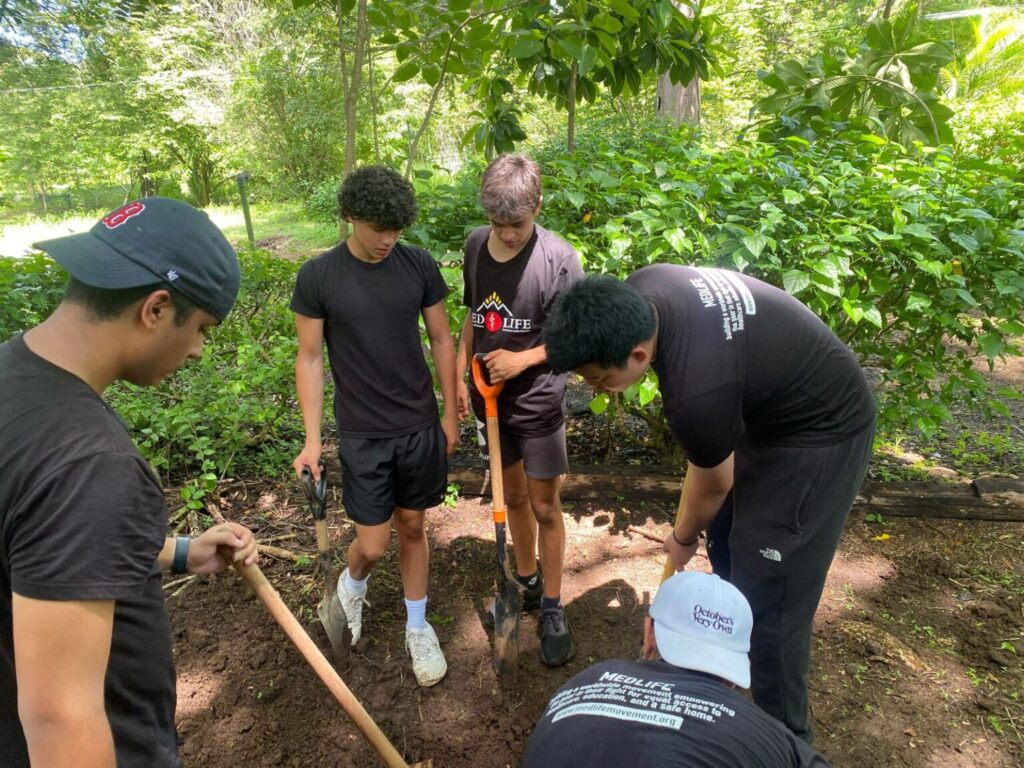
Afternoons: Community Engagement and Sustainability Projects
Afternoons often focus on activities that highlight sustainability and community collaboration. Depending on the program, students may:
- Participate in environmental conservation efforts
- Learn about sustainable agriculture practices
- Engage with local organizations working on development initiatives
These experiences reflect the principles of Ethical Volunteering, where students learn from communities rather than attempting to lead projects themselves.
For a deeper understanding of ethical engagement, explore what voluntourism is and how to avoid it.
Evenings: Reflection and Cultural Exchange
Evenings are an essential part of learning outside the classroom.
Students participate in guided reflection sessions where they discuss what they observed and how it connects to broader global issues. Cultural activities such as local cuisine, music, and storytelling also play a key role.
You can learn more about reflection in how to reflect on educational travel experiences.
Why Costa Rica Is Ideal for Class Trips
Costa Rica stands out as a destination for class trips to Costa Rica because of its strong focus on sustainability and education.
Key advantages include:
- A global leader in environmental conservation
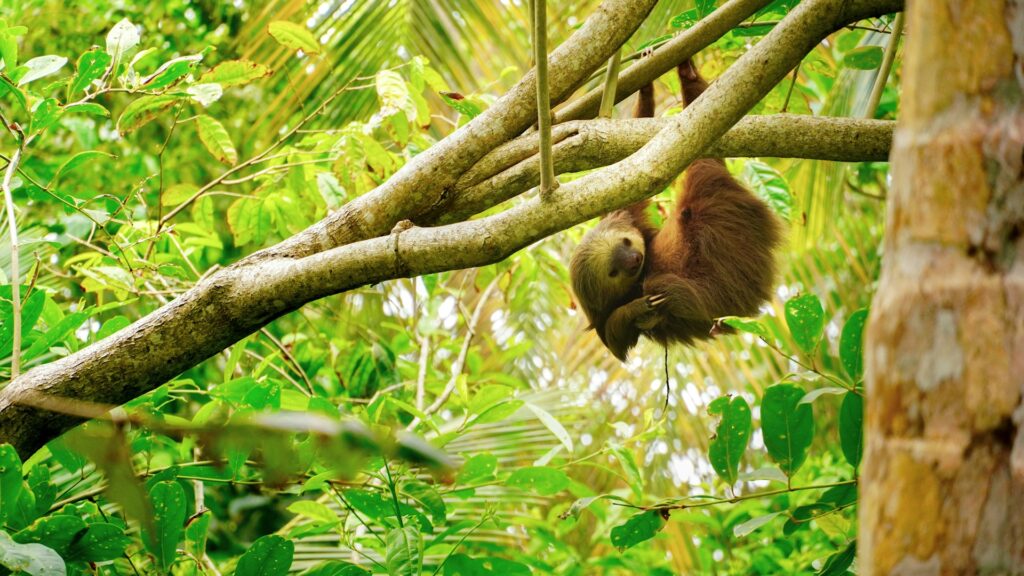
- Rich biodiversity that supports experiential learning
- Established infrastructure for educational travel programs
Students can explore ecosystems that are central to global environmental discussions while learning directly from those working to protect them.
To better understand sustainable travel practices, read the ultimate guide to sustainable travel.
Learning from Local Experts
One of the defining aspects of learning outside the classroom is learning from people who live and work in the destination.
Students engage with:
- Environmental scientists and conservationists
- Community leaders and educators
- Local guides with deep cultural knowledge
This ensures that learning is grounded in real expertise and lived experience.
You can explore the value of local perspectives in building meaningful connections through student volunteering.
How These Experiences Shape Students
Students often begin their journey focused on travel itself. Over time, their perspective shifts.
They begin to understand:
- The complexity of environmental and social systems
- The importance of local leadership in sustainable solutions
- How their academic interests connect to real-world challenges
This transformation is a key outcome of well-designed student tours to Costa Rica.
Preparing for Class Trips to Costa Rica
Preparation plays an important role in maximizing the impact of class trips to Costa Rica.
Before traveling, students should:
- Learn about Costa Rica’s environmental policies and history
- Understand the goals of their program
- Reflect on their expectations and assumptions
This preparation helps students engage more thoughtfully once they arrive.
If you are getting ready for a trip, review how to prepare for an education-focused volunteer trip.
Moving Forward with Learning Outside the Classroom
Experiences that take students beyond traditional classrooms offer more than knowledge. They provide context, perspective, and a deeper understanding of the world.
Learning outside the classroom in Costa Rica allows students to engage with sustainability, culture, and global systems in a way that is both educational and responsible.
Engaged Education - Transformative Educational Travel Experiences
Start your journey by downloading the brochure. You can also directly assist communities in need by becoming a monthly donor. Even small, consistent contributions help sustain healthcare access, education, and development initiatives in low-income communities.