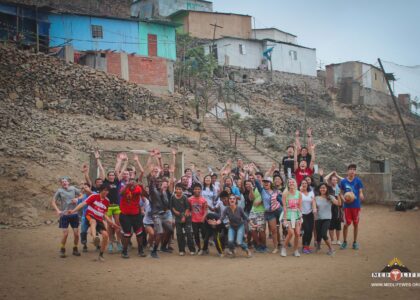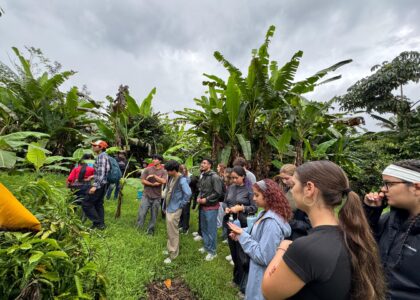

There’s only so much you can learn about ecology from a textbook. The Amazon rainforest, the Andean cloud forests, the Galapagos Islands — these aren’t just names in a book. They’re living laboratories where students can see, touch, and study the most biodiverse ecosystems on Earth. Environmental science field studies in Latin America give students the chance to move beyond theory and into real-world investigation, developing skills and perspectives that classrooms alone can’t provide.
Why Field Studies Matter in Environmental Science
Environmental science is, by nature, a field-based discipline. The concepts students study — biodiversity, ecosystem dynamics, conservation, climate change, human-environment interactions — are best understood through direct observation. Field studies allow students to:
See Concepts in Action
Reading about symbiotic relationships is one thing. Watching a tropical ant species cultivate fungus gardens in the rainforest is another. Field studies make abstract concepts tangible and memorable.
Develop Real Research Skills
Field studies teach students how to observe, collect data, identify species, and analyze patterns — the same skills professional scientists use. These hands-on research experiences are invaluable for students considering careers in science, conservation, or environmental policy.
Understand Complexity
Ecosystems are complex and interconnected in ways that textbooks can only simplify. In the field, students see how climate, geology, biology, and human activity interact. This understanding of complexity is essential for anyone who wants to work on environmental challenges.
Connect Science to Society
In Latin America, environmental science and human communities are deeply intertwined. Field studies in the region show students how deforestation affects indigenous communities, how conservation can support local economies, and how climate change impacts vulnerable populations. This connection between science and society is where the most important learning happens.
Top Destinations for Environmental Field Studies in Latin America
The Amazon Rainforest (Ecuador and Peru)
The Amazon is the most biodiverse place on Earth. Students can study:
- Tropical rainforest ecology and biodiversity
- Indigenous knowledge and conservation
- Deforestation and its impacts
- Carbon cycling and climate change
- Medicinal plants and ethnobotany
Ecuador’s Amazon region, accessible from Tena, offers particularly rich opportunities for student field studies, with both incredible biodiversity and active community conservation efforts.
The Andean Cloud Forests (Peru and Ecuador)
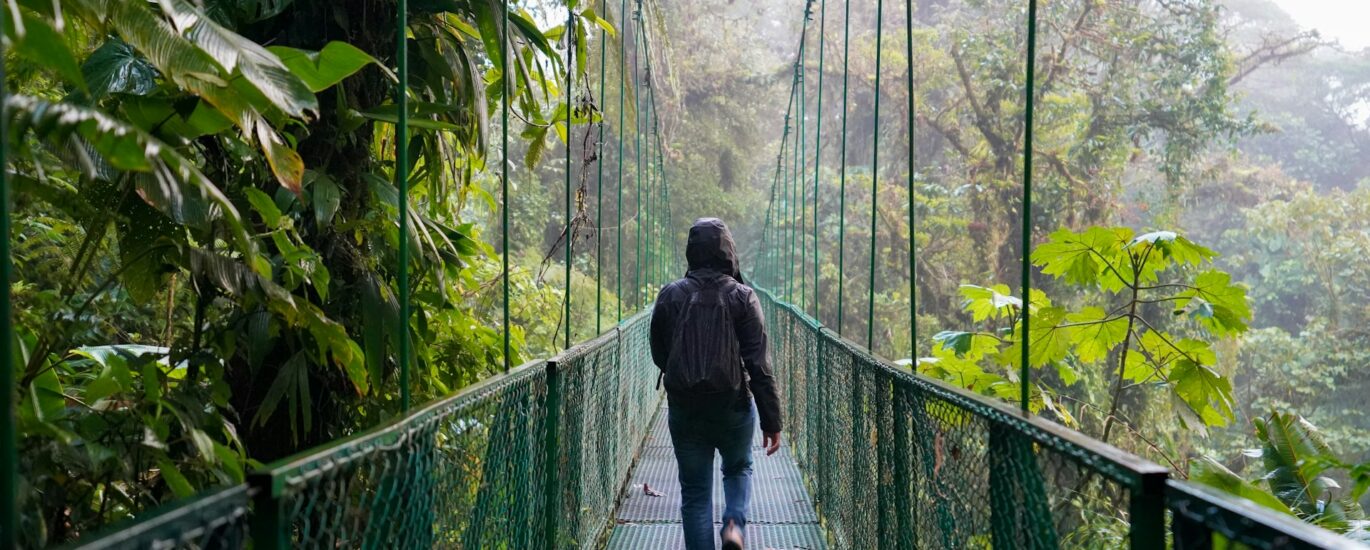
Cloud forests are among the most ecologically unique and threatened ecosystems in the world. Students can study:
- Endemic species and specialized adaptations
- Water cycle dynamics and watershed ecology
- Altitudinal gradients and ecosystem transitions
- Conservation challenges in mountainous regions
The Galapagos Islands (Ecuador)
The Galapagos are where Darwin developed his theory of evolution — and they remain one of the world’s most important sites for studying evolutionary biology. Students can observe:
- Adaptive radiation and speciation
- Island biogeography
- Conservation of endemic species
- Human-wildlife interactions and protected area management
Costa Rica’s Rainforests and Coastlines
Costa Rica is a global leader in conservation and ecotourism. Students can study:
- Tropical ecology and biodiversity
- Sea turtle conservation
- Sustainable agriculture and ecotourism
- Payment for ecosystem services and conservation economics
- Marine and coastal ecosystem dynamics
What Students Actually Do on Environmental Field Studies
A well-designed field study isn’t just a nature walk. Students engage in structured, educational activities:
Species Identification and Biodiversity Surveys
Students learn to identify plants, birds, insects, and other organisms, conducting biodiversity surveys that teach sampling methods and data collection.
Ecosystem Observation and Analysis
Students observe ecosystem structure, food webs, and species interactions, learning to analyze how ecosystems function.
Environmental Impact Assessment
Students examine human impacts — deforestation, pollution, climate change — and learn how scientists assess and monitor environmental change.
Community Conservation Projects
Students visit community-led conservation initiatives, learning how local people are working to protect their environments while sustaining their livelihoods.
Guided Reflection and Discussion
After field activities, students participate in discussions that connect their observations to broader scientific concepts and societal challenges.
Skills Students Develop
Environmental science field studies develop a range of valuable skills:
- Observation and data collection: The foundation of scientific inquiry
- Species identification: A skill that’s essential for ecology and conservation careers
- Critical thinking: Analyzing complex, interconnected systems
- Research design: Planning and conducting field investigations
- Communication: Presenting findings and discussing implications
- Cultural competence: Working with diverse communities and perspectives
- Environmental awareness: A deepened understanding of and commitment to conservation
The Engaged Education Tours Approach
Engaged Education Tours offers environmental science field studies in Latin America that combine rigorous scientific learning with responsible travel practices. Our programs include:
- Locally-based guides with deep ecological knowledge
- Customized itineraries aligned with your curriculum
- Hands-on field activities that develop real research skills
- Community engagement that connects science to society
- Structured reflection that deepens learning
Whether you’re teaching high school biology, university ecology, or environmental science, we can design a field study experience that brings your curriculum to life.
Learning That Lasts
Students who participate in environmental science field studies don’t just learn facts — they develop a relationship with the natural world that shapes how they see it for the rest of their lives. They become more informed, more engaged, and more committed to protecting the ecosystems that sustain us all.
Ready to explore the world through meaningful educational travel? Start your journey by downloading our Engaged Education Brochure and discover how immersive experiences can help students grow as learners and global citizens.