Teachers planning a first trip to Spain often ask the same question: Madrid vs Barcelona? Both cities are well connected and full of classroom links. They also feel very different. Madrid is the capital, set in the center of the country. Barcelona sits on the Mediterranean coast and is the capital of Catalonia, where two languages share the streets.
This guide compares the two cities on the points that matter to a school group. You will see how language, history, art and daily logistics differ. You will also find questions to help you match each city to your course goals. At the end, we explain how our program combines both cities in one itinerary.
Madrid vs Barcelona at a Glance
Before you look at sights, think about what your students should practice and study. Each city answers that question in its own way.
Language: Catalan vs Spanish
In Madrid, daily life happens in Spanish. Students hear Castilian Spanish in shops, metro announcements and conversations. That makes Madrid a direct match for Spanish classes.
Barcelona has two official languages, Catalan and Spanish. According to the city’s international welcome office, most residents consider themselves bilingual, and Catalan is the teaching language in Catalonia’s schools. Students will see Catalan on signs and menus. They can still use their Spanish everywhere. For language teachers, this is a useful lesson in how languages coexist inside one country.
History and Identity
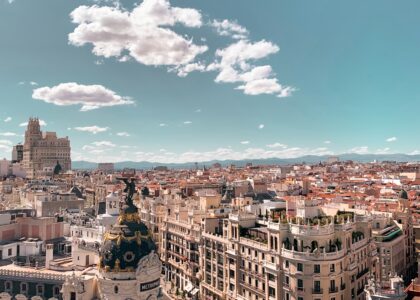
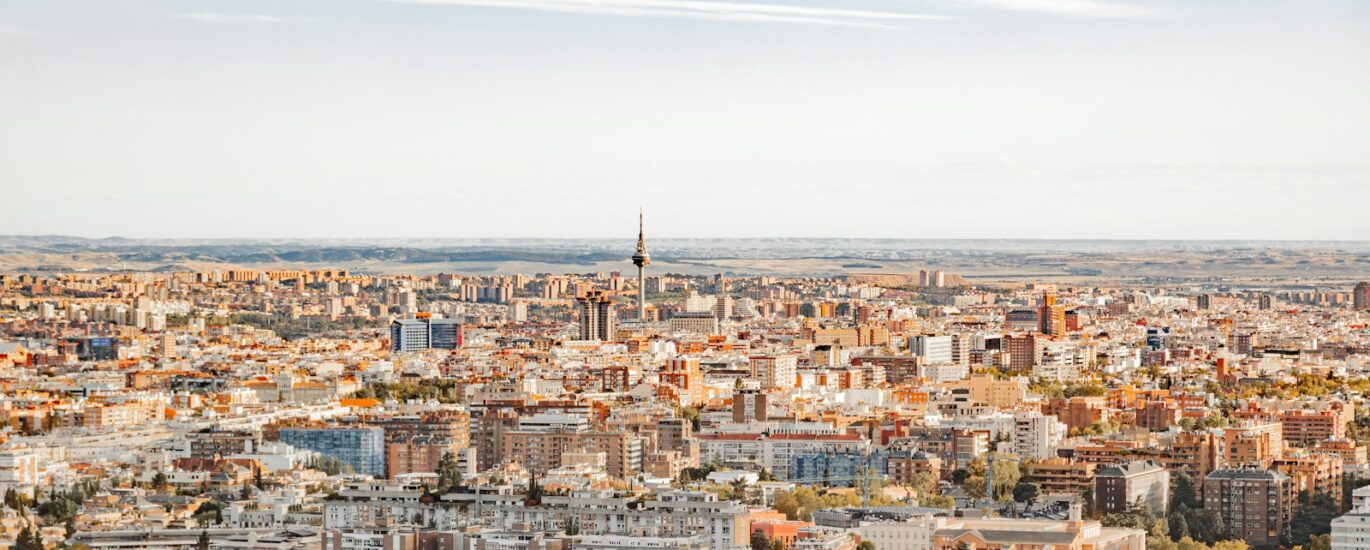
Madrid is the seat of the Spanish government and the royal family. The Royal Palace, Plaza Mayor and Puerta del Sol tell the story of a national capital. Students studying European history or government will find clear examples here.
Barcelona tells a regional story. Catalan identity shows up in language, festivals and politics. It is a good setting to discuss how regions keep their culture within a larger nation.
Art and Architecture
Madrid is home to the Prado Museum, one of the world’s major collections of European painting. Works by Velázquez and Goya give art and history classes plenty to discuss.
Barcelona is the city of Antoni Gaudí. The Sagrada Familia and Park Güell show students how architecture can reflect nature, faith and local identity. Classes in design, art or engineering often connect strongly with Gaudí’s work. You can find more in our guide to fun facts about Barcelona.
Which City Fits Your Spain Trip for Students?
Use these questions to decide which city should lead your planning.
Questions to Ask Before You Choose
- What is your main subject? Spanish language and national history point toward Madrid. Regional identity, architecture and bilingualism point toward Barcelona.
- What setting suits your group? Madrid is an inland capital with large plazas and museums. Barcelona adds a waterfront and nearby mountains.
- How much time do you have? A short trip may work better in one base city. A longer trip can cover both.
- What will students reflect on afterward? Choose the city whose themes connect to the projects you assign at home.
Logistics for School Groups
Both cities have large international airports and public transit. Getting between them is simple. High-speed trains link Barcelona Sants and Madrid Atocha, with the fastest trips normally taking about two and a half hours, according to Rail Europe. Speed restrictions in 2026 have added time to some trips. Schedules change, so always check current times with the operator.
Meal times matter too. Spaniards often eat dinner late, with many restaurants opening around 8 pm. Plan your group’s schedule with this in mind. For travel rules, check the U.S. State Department or Canadian government pages for Spain before you book.
Why Not Both? Our Program in Barcelona and Madrid
You do not have to pick one city. Our 10-day Spain program starts in Barcelona and finishes in Madrid. Students compare the two cities firsthand, which often leads to strong class discussions.
In Barcelona, students take a guided walking tour of the historic center and visit the Sagrada Familia and Park Güell. They travel by train to Montserrat, ride the cogwheel train to the monastery and visit the Basilica. Our guide to the Montserrat day tour explains this day in detail. Students also join a hands-on tapas cooking class at Mescladis, a social organization that offers training and job opportunities to refugees, immigrants and people with disabilities. A guided bike tour along the waterfront, including Barceloneta Beach, adds maritime history.
On day 6, the group takes the high-speed train to Madrid. There, students tour Plaza Mayor, Puerta del Sol and the Royal Palace, and join a guided student visit to the Prado Museum. They take a street art tour and workshop in Lavapiés and prepare picnic bags for local children with a local NGO. A visit to San Cristóbal Market includes a project presentation and team-building activity. Read our interesting facts about Madrid to prepare students for this half of the trip.
Daily meals, hotel accommodation and program transportation are included. International flights are not.
FAQ
Is Madrid or Barcelona better for Spanish language students?
Madrid offers full immersion in Spanish, the main language of daily life there. Barcelona uses both Catalan and Spanish, so students practice Spanish while also learning how two languages coexist.
How long is the train from Barcelona to Madrid?
The fastest high-speed trains normally take about two and a half hours between Barcelona Sants and Madrid Atocha, though 2026 speed restrictions have added time. Check the operator’s current schedule when planning.
Can a school trip visit both Madrid and Barcelona?
Yes. A trip of about 10 days gives enough time for both cities. Our Spain program spends five days in Barcelona, then travels by high-speed train to Madrid.
Explore Barcelona and Madrid With Your Students
Comparing two Spanish cities gives students a real-world lesson in language, history and identity. Our Spain Global Impact Fellowship 2027 is a 10-day program in Barcelona and Madrid built for high school groups. Fill out our form to learn more.
Start your journey by downloading the Engaged Education Brochure and learn more about our immersive programs in Spain and beyond. Interested in creating lasting impact around the world? You can directly assist communities in need by becoming a monthly donor through MEDLIFE’s Moving Mountains initiative.