
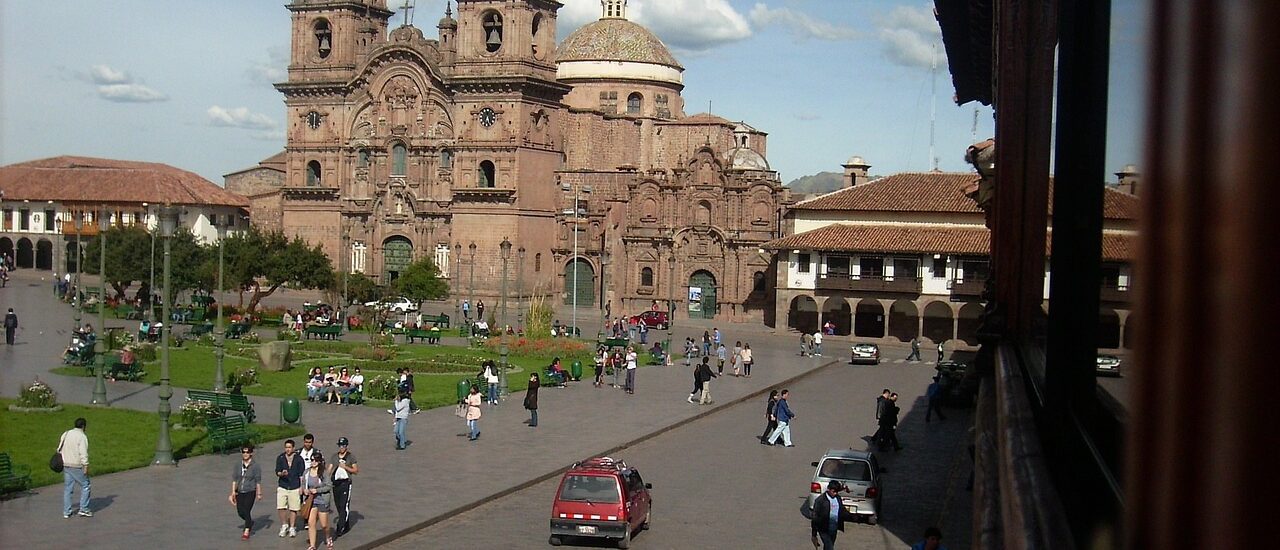
Choosing the best time to visit Peru is one of the first decisions a group leader makes. Peru has very different climates within a short flight. Lima sits on a dry coastal desert. Cusco sits high in the Andes, at about 3,400 meters (11,150 feet). The weather in each city follows its own pattern.
This guide helps teachers match Peru’s seasons to the school calendar. You will learn how the dry season and rainy season work in the Andes, what Lima weather is like through the year, and how crowds affect sites like Machu Picchu. You will also find practical planning tips for spring break and summer trips with our Lima and Cusco programs.
Peru’s Two Main Climates
Peru lies in the Southern Hemisphere. Its seasons are the reverse of those in the United States and Canada. Altitude also matters as much as the calendar.
Cusco weather and the Andes
The Andes have two clear seasons. The dry season runs from about May to September. Days are usually sunny and clear. Nights are cold, especially in June and July.
The rainy season runs from about November or December to March. Afternoon showers are common, and trails and roads can be muddy. Groups traveling in these months should plan flexible schedules.
Lima weather and the coast
Lima rarely gets real rain. Its seasons are about sun and cloud cover. Summer runs from about December to March. Days are warm and sunny.
From about April to November, Lima is cooler. A gray coastal mist called garúa often covers the city, especially from June to October. It feels damp, but it rarely stops outdoor plans. The desert south of Lima, where Huacachina and the Ballestas Islands are, stays dry most of the year. Our Huacachina and Ballestas guide covers that region in detail.
The Best Time to Visit Peru With Students
There is no single best month for every group. The right choice depends on your destination, your school calendar, and your priorities.
Summer break (June to August)
This window lines up with the Andean dry season. It is a strong choice for Cusco, the Sacred Valley, and Machu Picchu. Skies are usually clear, and outdoor visits are easier to schedule. The trade-off is crowds. This is high season at Machu Picchu, and popular sites are busier. Cold nights mean students need warm layers.
Lima is in its cool, gray season during these months. That is fine for city programs, museum visits, and language classes.
Spring break (March and April)
March falls at the end of the Andean rainy season. Showers are still likely in Cusco. Lima is usually at the end of its sunny summer in March. A spring break trip to Lima often has warm weather and fewer crowds.
April is a shoulder month in the Andes. Rain often eases, and landscapes are green after the wet season.
Winter break (December to January)
These months bring the start of Lima’s summer and the heart of the rainy season in Cusco. A coastal program works well at this time. For Andean trips, plan for rain gear and flexible schedules.
Crowds, festivals, and ticket limits
Machu Picchu has daily visitor caps that change by season. Tickets are sold through Peru’s Ministry of Culture and can sell out in high season. Inti Raymi, held in Cusco every June 24, draws large crowds and raises demand for hotels. Always check current rules and availability before you set travel dates.
Planning Tips for Group Leaders
- Plan around altitude. Cusco’s height matters in every season. Build in a slow first day. Read our guide on preparing for Cusco altitude.
- Pack for the season. Dry-season trips need warm layers for cold nights. Rainy-season trips need a waterproof jacket and quick-dry clothing.
- Book early for peak months. June to August fills quickly for trains, hotels, and site tickets.
- Check official advisories. Review the U.S. State Department or Government of Canada travel advice for Peru before you book and again before you depart.
- Align with your curriculum. Choose dates that let students prepare beforehand and reflect afterward.
For a step-by-step planning process, see our guide to organizing educational tours.
Choosing Between Our Lima and Cusco Programs
Language Immersion in Lima (8 days) works well in most months. Lima’s mild climate suits Spanish lessons, market challenges, cooking classes, and visits to MEDLIFE partner communities. The program also includes the Barranco art district, an Afro-Peruvian Music and Dance Workshop, and a full-day excursion to the Ballestas Islands and Huacachina.
Language Immersion in Cusco (8 days) is best matched to the dry season for groups that want clear skies. The program includes Spanish lessons, Cusco’s historic center, Sacsayhuamán, the Sacred Valley, and a guided visit to Machu Picchu. Train and bus tickets to Machu Picchu are included.
FAQ
What is the best time to visit Peru for a school trip?
For Cusco and Machu Picchu, the dry season from about May to September offers the most reliable weather. Lima works well year-round, with sunny summers from about December to March.
When is the rainy season in Cusco?
The rainy season in Cusco runs from about November or December to March. Afternoon showers are common, so groups should pack rain gear.
Is Lima weather good for students in June and July?
Yes. Lima is cool and often gray in June and July, but it rarely rains. City tours, museum visits, and language classes run normally.
Plan Your Peru Trip With Confidence
Matching your dates to Peru’s seasons helps your group get the most from each day. Our Language Immersion in Lima and Language Immersion in Cusco programs are built for high school groups and include an orientation and safety meeting at the start of the program. Fill out our form to learn more.
Start your journey by downloading the Engaged Education Brochure and learn more about our immersive programs in Peru, Spain, and beyond. Interested in creating lasting impact around the world? You can directly assist communities in need by becoming a monthly donor through MEDLIFE’s Moving Mountains initiative.