
The first day abroad can feel exciting. By day three, a student may feel tired, confused or a little irritable. This shift is common, and it has a name. Researchers have described culture shock stages for decades, and the models can help teachers and parents prepare students for the ups and downs of travel.
In this guide, we explain where the idea of culture shock comes from and what the classic stages look like. We also share an honest caveat: real students rarely follow the model step by step. Then we offer practical tips for adjusting abroad, before, during and after a short school trip. Finally, we show how Engaged Education programs build in orientation and reflection to support students.
What is culture shock?
Culture shock is the stress people can feel when daily life works differently from what they know. Food, language, routines, humor and personal space may all feel unfamiliar. Simple tasks take more effort. That extra effort can leave students tired or frustrated.
Anthropologist Kalervo Oberg popularized the term in the 1950s. He described it as a set of reactions travelers can have when familiar cues disappear. Symptoms he listed included helplessness, homesickness and irritability. A NAFSA summary of adjustment theory gives a useful overview (NAFSA theory connections).
The classic culture shock stages
Oberg proposed a general pattern of honeymoon, crisis, recovery and adjustment. In 1955, researcher Sverre Lysgaard described a similar U-curve. Here is how those stages are usually explained.
1. Honeymoon
Everything feels new and interesting. Students take photos, try new foods and enjoy the novelty.
2. Frustration or crisis
Differences start to feel tiring. Students may miss home, struggle to follow conversations, or feel annoyed by small things. Jet lag and new food can add to this.
3. Recovery
Students start to find their footing. They learn routines, understand more Spanish and feel more confident.
4. Adjustment
Students feel comfortable and can enjoy both the familiar and the new.
Reverse culture shock
In 1963, researchers John and Jeanne Gullahorn extended the curve into a W shape. They added a second dip when travelers return home. Students may feel restless or find it hard to explain the trip to friends.
An important caveat
Later researchers found these stages are poor predictors for any one person. Stages may come in a different order, repeat, blend together or not appear at all. On an 8- or 10-day trip, they may all happen in a few days. Use the model as a conversation starter. Avoid treating it as a schedule.
Tips for adjusting abroad
Before the trip
- Name it in advance. Explain culture shock in class. Knowing that mixed feelings are normal can make them easier to handle.
- Practice key situations. Role-play ordering food, asking for help and greeting guides and hotel staff in Spanish.
- Learn local customs. Our guide to Spanish gestures and etiquette is a good start for Spain trips.
- Set expectations about food, sleep and schedules. Fewer surprises means less stress.
During the trip
- Protect sleep and hydration. Fatigue makes everything feel harder.
- Keep a short daily routine. A journal entry or check-in with a roommate gives structure.
- Encourage curiosity. Ask students to write down one difference they noticed and one possible reason for it.
- Talk to a trusted adult. Students should know they can always speak with a chaperone or group leader. Our post on travel safety tips for students covers more on group support.
- Set limits on messaging home. Constant messaging can make it harder to settle in.
After the trip
Plan a reflection session or class presentation. Students can discuss what felt hard, what they learned, and how they see their own culture differently. This connects the experience to bigger ideas like global citizenship.
How Engaged Education supports students abroad
Engaged Education programs include structure that helps students adjust.
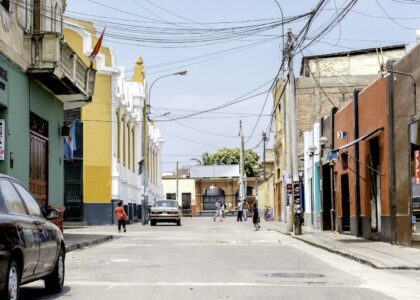
In the Language Immersion in Lima program, a group leader meets students at the airport. Day one includes an orientation and safety overview, followed by a walk in Miraflores. Evening reflection and a final reflection session give students space to process the experience.
In the Language Immersion in Cusco program, a group leader meets students at the airport. Day two includes an orientation and safety meeting before the group explores the city. The program ends with a reflection session.
The Spain Global Impact Fellowship 2027 starts in Barcelona with a welcome meeting with the tour leader and a welcome dinner. Over 10 days, students move from Barcelona to Madrid with the same group, which gives them a steady team throughout.
FAQ
What are the four stages of culture shock?
The classic model lists honeymoon, frustration or crisis, recovery, and adjustment. Researchers note that real experiences vary, and stages can repeat, blend or be skipped.
Can students experience culture shock on a short trip?
Yes. Even on a trip of about a week, students may feel excitement, then fatigue or frustration, then more comfort. On short trips, the stages may happen quickly.
How can parents help with culture shock?
Talk about it before departure, keep messages calm and encouraging, and remind your student to speak with their group leader. After the trip, ask open questions about what they learned.
Prepare your students for life abroad
Culture shock is a normal part of travel, and good preparation helps students move through it. Our Language Immersion programs in Lima and Cusco and our Spain Global Impact Fellowship 2027 include a group or tour leader and an orientation or welcome meeting at the start. Fill out our form to learn more.
Start your journey by downloading the Engaged Education Brochure and learn more about our immersive programs in Peru, Spain, and beyond. Interested in creating lasting impact around the world? You can directly assist communities in need by becoming a monthly donor through MEDLIFE’s Moving Mountains initiative.