A greeting is often the first Spanish a traveler uses, and it sets the tone for everything that follows. In many Spanish-speaking places, people greet each other more often and more warmly than in the United States or Canada. Shoppers greet the shopkeeper. People greet others in elevators. Friends greet with a kiss on the cheek. Learning Spanish greetings well helps students make a good impression from the first moment.
This guide covers essential Spanish greetings and farewells, from formal to casual. You’ll learn which greetings to use at different times of day, how to introduce yourself and how physical greetings differ in Peru and Spain. You’ll also find classroom activities that help students practice greetings with confidence before a trip abroad.
Basic Spanish greetings
Hello and time-of-day greetings
- Hola: Hello. Works almost anywhere.
- Buenos días: Good morning. Used until about lunchtime.
- Buenas tardes: Good afternoon. Used from lunch until evening.
- Buenas noches: Good evening or good night. Used after dark, both to greet and to say goodbye.
In Spain, where lunch and dinner are later, buenas tardes can last until 8 p.m. or later. In Peru, people usually switch to buenas noches after dark.
Many people combine greetings: Hola, buenos días.
Asking how someone is
- ¿Cómo estás?: How are you? (informal)
- ¿Cómo está usted?: How are you? (formal)
- ¿Qué tal?: How’s it going?
- ¿Cómo te va?: How’s it going for you?
Common answers: Bien, gracias. ¿Y tú? or Muy bien, ¿y usted?
Introductions
- Me llamo…: My name is…
- Mucho gusto: Nice to meet you.
- Encantado / Encantada: Delighted to meet you.
- Igualmente: Likewise.
Formal and informal greetings
Spanish uses tú for friends, family and people your age, and usted for adults you don’t know, older people and officials. Students should start with usted when greeting adults, unless invited to use tú. In Peru, usted is common with strangers and older people. In Spain, tú is used more widely in casual settings.
Physical greetings in Peru and Spain
In Spain
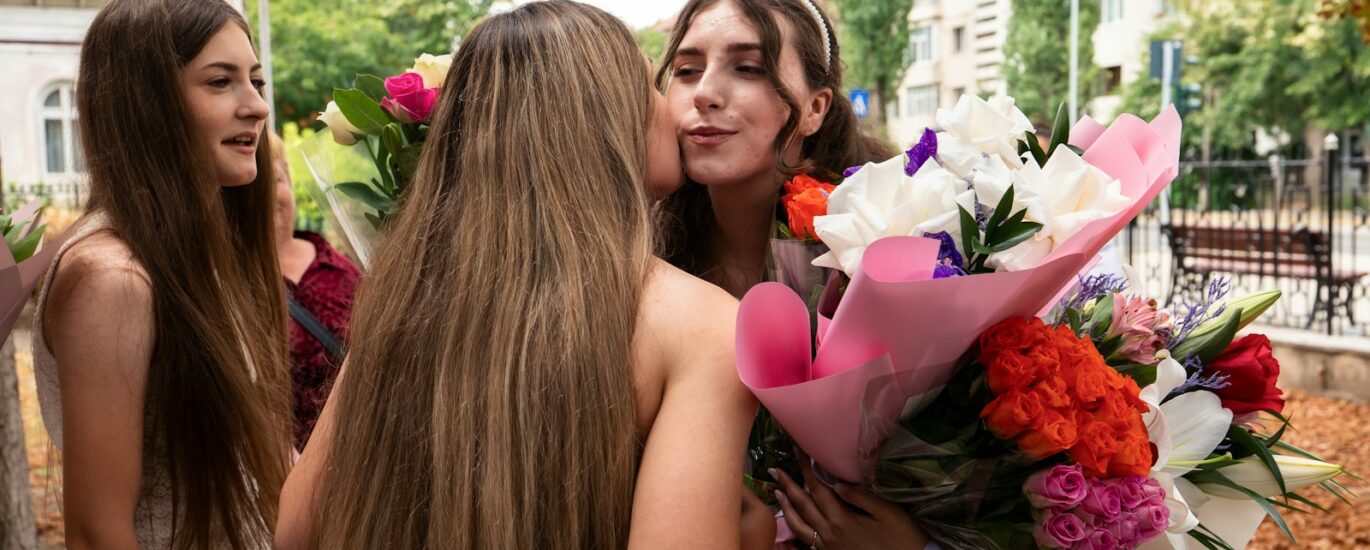
Friends and acquaintances often greet with two light kisses on the cheeks, starting with the right cheek. This is common between women and between men and women. Men often shake hands with each other, though close male friends or relatives may hug or kiss. In formal or professional settings, a handshake is standard.
In Peru
Many Peruvians greet with one kiss on the right cheek, especially between women and between men and women. Men usually shake hands. In professional settings, handshakes are common.
For students
Students should follow the lead of the person they meet and their trip leader. A friendly handshake is always acceptable. Our guide to Spanish gestures and etiquette covers more cultural customs.
Everyday greeting customs
- Greet when entering a shop: A quick buenos días before asking for help is expected.
- Greet in small spaces: People often say buenos días in elevators, waiting rooms or small buses.
- Greet everyone in a group: When arriving at a small gathering, greet each person.
- Buen provecho: People often say this to others who are eating, meaning “enjoy your meal.”
Farewells
- Adiós: Goodbye.
- Hasta luego: See you later. Often used even if you won’t see the person again soon.
- Hasta mañana: See you tomorrow.
- Nos vemos: See you.
- Chau / Chao: Bye. Very common in Peru and much of Latin America, and used in Spain too.
Regional casual greetings
Casual greetings vary by country. Young people in Spain may say ¿Qué pasa? In Peru, friends may use local slang. Our guides to Spanish slang from Spain and Peruvian slang in Lima explain more. Students should use slang carefully, since it depends on context.
Classroom activities
- Greeting circle: Students greet each other using different times of day and formal or informal forms.
- Role-play: Students act out entering a shop, meeting a host or joining a group.
- Culture comparison: Discuss how greetings differ in Peru, Spain and the students’ own culture.
- Card game: Students draw cards with situations and choose the right greeting.
Practicing greetings on a trip
On Engaged Education’s Lima and Cusco language immersion programs, students practice greetings from the first day, starting with an orientation and a walk in the city. They use them in Spanish lessons, market challenges and visits to MEDLIFE partner communities. On the Spain Global Impact Fellowship, students greet guides, cooks and local organizations in Barcelona and Madrid.
FAQ
What are the most common Spanish greetings?
Common greetings include hola, buenos días, buenas tardes, buenas noches, ¿qué tal? and ¿cómo estás?
How do people greet in Spain?
Friends in Spain often greet with two cheek kisses, starting with the right. Handshakes are common in formal situations and between men.
How do people greet in Peru?
Many Peruvians greet with one kiss on the right cheek, especially between women and between men and women. Men usually shake hands.
Start every conversation right
Spanish greetings help students connect from the very first moment. Explore our Language Immersion programs in Lima and Cusco and our Spain Global Impact Fellowship 2027. Fill out our form to learn more.
Start your journey by downloading the Engaged Education Brochure and learn more about our immersive programs in Peru, Spain, and beyond. Interested in creating lasting impact around the world? You can directly assist communities in need by becoming a monthly donor through MEDLIFE’s Moving Mountains initiative.