In many countries, the holiday season ends on January 1. In Spain, one of the biggest celebrations comes later. On January 6, children wake up to gifts from the Three Wise Men, known in Spanish as los Reyes Magos. Three Kings Day in Spain, also called el Día de Reyes, is a national holiday filled with parades, sweets and family traditions.
This guide explains the origins of the holiday and how Spanish families celebrate it today. You’ll learn about the evening parades, the custom of leaving shoes out for the Kings and the ring-shaped cake called roscón de reyes. You’ll also find vocabulary and classroom activities that help students compare holiday traditions. The celebration is a great cultural topic for Spanish classes in December and January.
The origins of Three Kings Day
Three Kings Day celebrates the Epiphany, a Christian feast. According to the Gospel of Matthew, wise men from the East followed a star to Bethlehem to honor the newborn Jesus. Over time, tradition named them Melchior, Caspar and Balthazar, known in Spanish as Melchor, Gaspar and Baltasar. They brought gold, frankincense and myrrh.
In Spain, the Kings became the main gift-givers of the holiday season. Santa Claus, called Papá Noel, has become more common in recent decades. Many families now celebrate both, but the Kings remain central for many children.
How Three Kings Day in Spain is celebrated
January 5: the cabalgata
On the evening of January 5, cities and towns hold a parade called the cabalgata de Reyes. The Three Kings ride on floats with music, dancers and helpers. They throw candy to the crowds. Children often bring bags or upside-down umbrellas to catch sweets. Madrid and Barcelona host large parades that draw huge crowds.
Letters and shoes
Before the holiday, children write letters to the Kings asking for gifts. On the night of January 5, they leave their shoes by the door, on a balcony or near the tree. Many families also leave snacks for the Kings and water for their camels.
January 6: gifts and family
On the morning of January 6, children find gifts near their shoes. As a joke, children who misbehaved might receive carbón, a sweet that looks like coal. The day is a national holiday, and many families share a big lunch.
Roscón de reyes
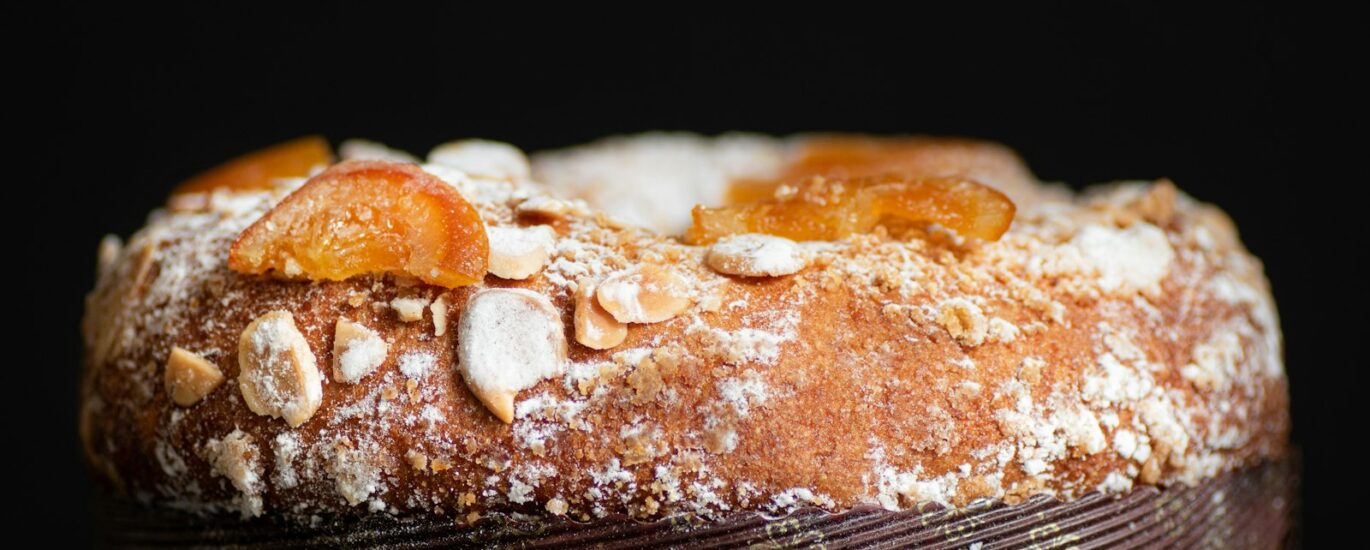
The traditional dessert is the roscón de reyes, a ring-shaped sweet bread decorated with candied fruit, often filled with cream. Inside are two hidden items: a small figurine and a dried bean. The person who finds the figurine is “king” for the day. The person who finds the bean is often expected to pay for next year’s roscón.
Three Kings Day vocabulary
- los Reyes Magos: the Three Wise Men
- la cabalgata: the parade
- los caramelos: candies
- la carta: the letter
- el roscón: ring-shaped cake
- el regalo: the gift
- el carbón dulce: sweet “coal”
Classroom activities for Three Kings Day
- Write a letter: Students write a letter to the Kings in Spanish, practicing querer and gustar.
- Compare traditions: Students compare Three Kings Day with holidays they celebrate, using a Venn diagram.
- Parade map: Students design a float for a classroom cabalgata.
- Roscón research: Students research the history of the roscón and similar breads in other countries.
- Regional differences: Students research how Three Kings Day is celebrated in Spain and in Latin American countries.
For more celebrations to teach, see our guide to Spanish festivals and traditions and our post on Semana Santa in Spain.
Experiencing Spanish culture in person
Three Kings Day is not part of Engaged Education’s itinerary, and program dates vary. Students still learn about daily life and traditions in Spain during the Spain Global Impact Fellowship. Over ten days in Barcelona and Madrid, they share a welcome dinner featuring regional cuisine, join a tapas cooking class with Mescladis and visit San Cristóbal Market. In Madrid, they walk through Puerta del Sol and Plaza Mayor, two places that fill with crowds and markets during the holiday season. Our post on Spain’s daily schedule explains meal times and routines.
FAQ
When is Three Kings Day in Spain?
Three Kings Day is on January 6. Parades called cabalgatas take place on the evening of January 5.
What do children do on Three Kings Day?
Children write letters to the Kings, leave their shoes out on January 5 and find gifts on the morning of January 6.
What is roscón de reyes?
Roscón de reyes is a ring-shaped sweet bread eaten on Three Kings Day. It hides a small figurine and a dried bean inside.
Bring Spanish traditions into your classroom
Three Kings Day helps students compare holiday customs and practice Spanish in context. Our Spain Global Impact Fellowship 2027 is a 10-day program in Barcelona and Madrid built for high school groups. Fill out our form to learn more.
Start your journey by downloading the Engaged Education Brochure and learn more about our immersive programs in Spain and beyond. Interested in creating lasting impact around the world? You can directly assist communities in need by becoming a monthly donor through MEDLIFE’s Moving Mountains initiative.