For nearly 800 years, much of the Iberian Peninsula was ruled by Muslim states. Historians call this territory Al-Andalus. Its cities, mosques, gardens and libraries shaped Spain’s architecture, food, science and even the Spanish language. Many everyday Spanish words, from aceite to ojalá, come from Arabic.
This guide explains the history of Al-Andalus in clear, student-friendly terms, from 711 to the fall of Granada in 1492. You’ll learn about its main periods, its achievements and the debates historians still have about life there. You’ll also find classroom ideas and a surprising connection: Madrid itself began as a Moorish fortress. That link gives students on Engaged Education’s Spain program a new way to look at the capital.
A short history of Al-Andalus
711: arrival in Iberia
In 711, an army led by Tariq ibn Ziyad crossed from North Africa into the Iberian Peninsula. The name Gibraltar comes from the Arabic Jabal Tariq, “Mountain of Tariq.” Within a few years, Muslim forces controlled most of the peninsula.
The Emirate and Caliphate of Córdoba
In 756, Abd al-Rahman I, a member of the Umayyad dynasty, founded an independent emirate based in Córdoba. In 929, Abd al-Rahman III declared a caliphate. Córdoba became one of the largest and most advanced cities in Europe, with libraries, markets, public baths and the Great Mosque.
Taifas and new dynasties
In the early 11th century, the caliphate broke into smaller kingdoms called taifas. North African dynasties, the Almoravids and later the Almohads, took control of much of the south. Meanwhile, Christian kingdoms in the north expanded southward. Historians call this long process the Reconquista, though many now discuss that term critically.
1492: the fall of Granada
The Nasrid Kingdom of Granada was the last Muslim state on the peninsula. In January 1492, it surrendered to the Catholic Monarchs, Isabella and Ferdinand. The same year, Spain expelled its Jewish population, and Columbus sailed to the Americas.
The legacy of Moorish Spain
Architecture
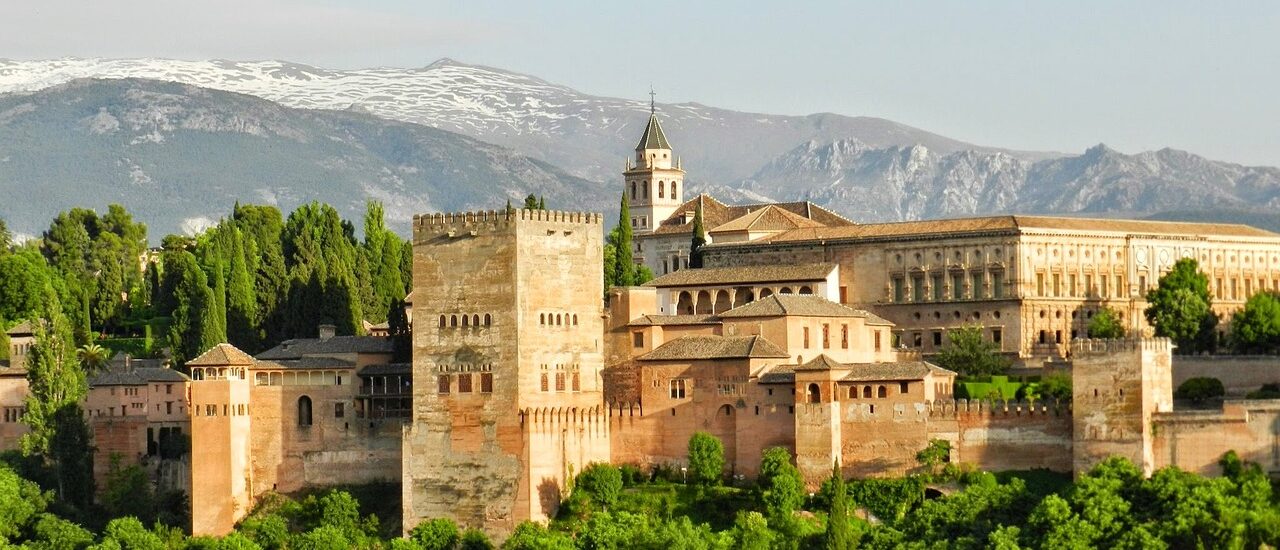
Al-Andalus left some of Europe’s most famous buildings. The Great Mosque of Córdoba is known for its rows of red-and-white arches. The Alhambra in Granada is a palace complex with carved plaster, tiles and water gardens. Later, Christian builders blended Islamic styles into a style called mudéjar.
Science and learning
Scholars in Al-Andalus studied medicine, astronomy, mathematics and philosophy. The philosopher Averroes (Ibn Rushd) and the Jewish scholar Maimonides were both born in Córdoba. In Toledo, translators turned Arabic texts into Latin, helping spread knowledge across Europe.
Agriculture and food
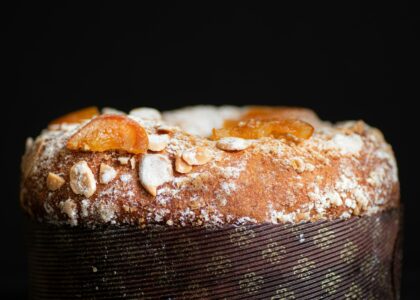
Irrigation systems and new crops changed farming. Rice, sugarcane, citrus fruits and almonds became more common. Many Spanish dishes and sweets show this influence.
Language
Spanish has thousands of words with Arabic roots, many of them still used every day. Many start with al-, the Arabic article: almohada (pillow), alfombra (rug), azúcar (sugar), aceite (oil) and ajedrez (chess). Ojalá, meaning “hopefully,” is often traced to an Arabic phrase meaning “if God wills.”
A debated idea: convivencia
Some historians describe a period of convivencia, when Muslims, Christians and Jews lived side by side. Others stress that coexistence varied by time and place, and that minorities faced limits and periods of violence. Students can discuss both views using primary sources.
Madrid’s Moorish origins
Madrid began in the 9th century as a fortress built under the Emir of Córdoba, Muhammad I. Its name likely comes from the Arabic Mayrit, linked to water channels. Remains of the old Moorish wall can still be seen near the Almudena Cathedral, close to the Royal Palace.
On day seven of Engaged Education’s Spain Global Impact Fellowship, students tour Plaza Mayor, Puerta del Sol and the Royal Palace, then visit the Prado Museum. Knowing Madrid’s origins helps them see layers of history in the city center. Our guides to the Royal Palace of Madrid and Madrid facts for students give more context.
Teaching Al-Andalus in the classroom
- Word detectives: Students find Spanish words that start with al- and research their origins.
- Architecture study: Compare the Córdoba mosque arches with a Gothic cathedral.
- Timeline: Map key events from 711 to 1492.
- Source analysis: Read short excerpts about convivencia from different perspectives.
- Music connections: Discuss how historians link Andalusian traditions to later music, such as flamenco history.
FAQ
What was Al-Andalus?
Al-Andalus was the name for the parts of the Iberian Peninsula ruled by Muslim states between 711 and 1492.
When did Moorish rule in Spain end?
It ended in January 1492, when the Nasrid Kingdom of Granada surrendered to Isabella and Ferdinand.
How did Al-Andalus influence the Spanish language?
Spanish has thousands of words of Arabic origin, such as azúcar, aceite, almohada and ajedrez.
Discover Spain’s layered history
Al-Andalus helps students understand how many cultures shaped modern Spain. Our Spain Global Impact Fellowship 2027 is a 10-day program in Barcelona and Madrid built for high school groups. Fill out our form to learn more.
Start your journey by downloading the Engaged Education Brochure and learn more about our immersive programs in Spain and beyond. Interested in creating lasting impact around the world? You can directly assist communities in need by becoming a monthly donor through MEDLIFE’s Moving Mountains initiative.