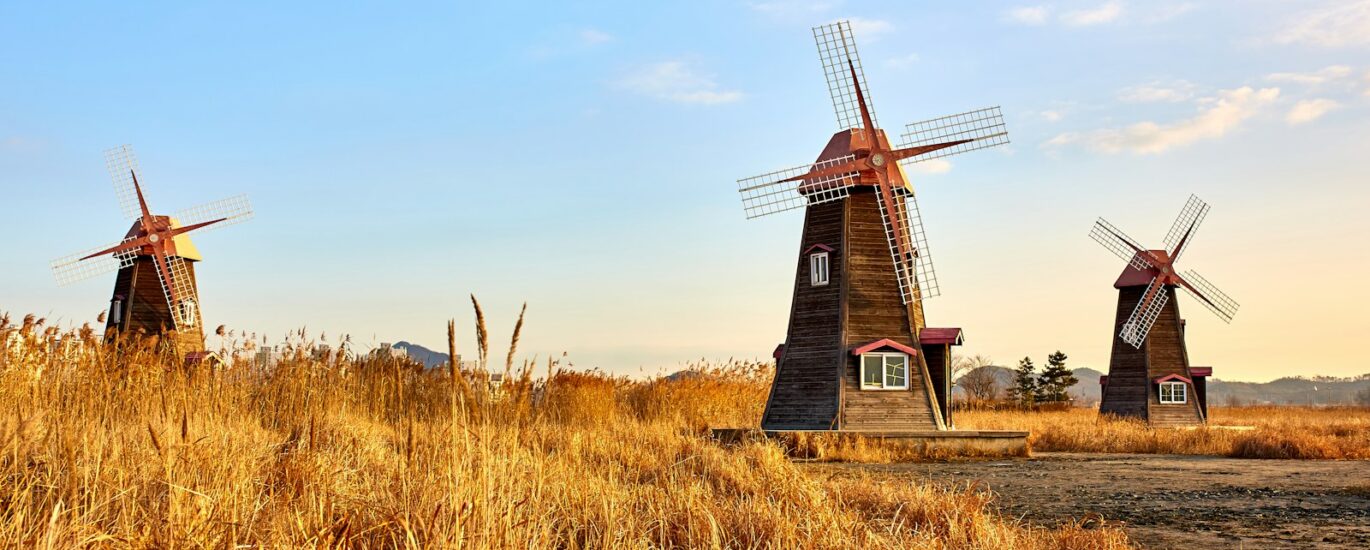
A man reads so many adventure stories that he decides to become a knight. He puts on old armor, climbs onto a thin horse and rides out to fight giants that turn out to be windmills. That is the starting point of Don Quixote, Miguel de Cervantes’s novel, often called the first modern novel. This Don Quixote summary helps high school students understand the plot, characters and big ideas before they read excerpts in class.
You’ll find a short overview of both parts of the novel, a guide to the main characters and the themes teachers usually focus on. We also share classroom activities and places in Madrid connected to Cervantes. The novel is long, so most high school classes read selected chapters. This guide gives students the context they need to follow those chapters.
Don Quixote summary: the plot
Part One (1605)
Alonso Quijano is a middle-aged gentleman from a village in La Mancha, in central Spain. He reads so many books about knights that he loses touch with reality. He renames himself Don Quixote de la Mancha, names his tired horse Rocinante and chooses a local farm girl, whom he calls Dulcinea del Toboso, as his lady.
Don Quixote recruits Sancho Panza, a practical farmer, as his squire by promising him an island to govern. Together they travel the countryside. Don Quixote sees inns as castles, sheep as armies and windmills as giants. His attacks usually end in injury and embarrassment. Friends from his village finally trick him into returning home.
Part Two (1615)
Ten years later, Cervantes published a second part. In it, Don Quixote and Sancho meet characters who have read Part One and know who they are. A duke and duchess play cruel tricks on them for entertainment, including giving Sancho a fake island to govern. Sancho surprises everyone by ruling with common sense.
Cervantes also responded to an unauthorized sequel written by another author. His characters even criticize the fake book.
At the end, Don Quixote returns home, falls ill and recovers his sanity. He renounces books of chivalry and dies as Alonso Quijano.
Main characters
- Don Quixote (Alonso Quijano): An idealistic, generous and deluded knight-errant.
- Sancho Panza: His squire, practical and funny, who grows wiser over the story.
- Dulcinea del Toboso: The lady Don Quixote imagines. She never truly appears.
- Rocinante: Don Quixote’s thin, old horse.
- The priest and the barber: Village friends who try to bring Don Quixote home.
Key themes
Reality and imagination
Don Quixote sees the world as he wants it to be. The novel asks how stories shape the way people see reality.
Idealism and practicality
Don Quixote and Sancho represent two ways of living. Over time, each takes on some of the other’s traits.
Fiction about fiction
Part Two includes characters who have read Part One. This kind of self-awareness was unusual and influenced later novelists.
Social satire
Cervantes pokes fun at popular books of his time, at nobles and at Spanish society. He also shows compassion for ordinary people.
The word quixotic, meaning idealistic but impractical, comes from the novel.
Teaching Don Quixote in the classroom
Classroom ideas
- Windmill scene: Read the famous windmill chapter in a student edition and act it out.
- Modern Quixote: Students write a short story about a modern character who sees the world through video games or social media.
- Character comparison: Create a Venn diagram comparing Don Quixote and Sancho.
- Spanish vocabulary: Teach words like caballero, escudero, molino and aventura.
- Art connections: Look at famous illustrations of the novel and discuss how artists imagine the characters.
For more Spanish stories to teach, see our guide to Spanish legends and folklore.
Cervantes and Madrid
Cervantes spent much of his later life in Madrid and died there in 1616. The neighborhood now called the Barrio de las Letras, near the city center, was home to several writers of Spain’s Golden Age. In Plaza de España, a monument to Cervantes includes statues of Don Quixote and Sancho Panza. April 23, World Book Day, is linked to the anniversary of Cervantes’s burial.
Engaged Education’s Spain Global Impact Fellowship spends several days in Madrid. Students tour Plaza Mayor, Puerta del Sol and the Royal Palace, visit the Prado and join a Lavapiés street art workshop. Students who know the novel can spot Quixote references across the city. Our list of things to do in Madrid and our Madrid facts for students offer more ideas.
FAQ
What is Don Quixote about?
It is about a man who reads so many books about knights that he decides to become one. He travels Spain with his squire Sancho Panza, mistaking ordinary things for adventures.
When was Don Quixote written?
Miguel de Cervantes published Part One in 1605 and Part Two in 1615.
Why is Don Quixote important?
It is often called the first modern novel. It explores reality and imagination and influenced writers around the world.
Bring Spanish literature to life
Don Quixote helps students connect language, history and storytelling. Our Spain Global Impact Fellowship 2027 is a 10-day program in Barcelona and Madrid built for high school groups. Fill out our form to learn more.
Start your journey by downloading the Engaged Education Brochure and learn more about our immersive programs in Spain and beyond. Interested in creating lasting impact around the world? You can directly assist communities in need by becoming a monthly donor through MEDLIFE’s Moving Mountains initiative.