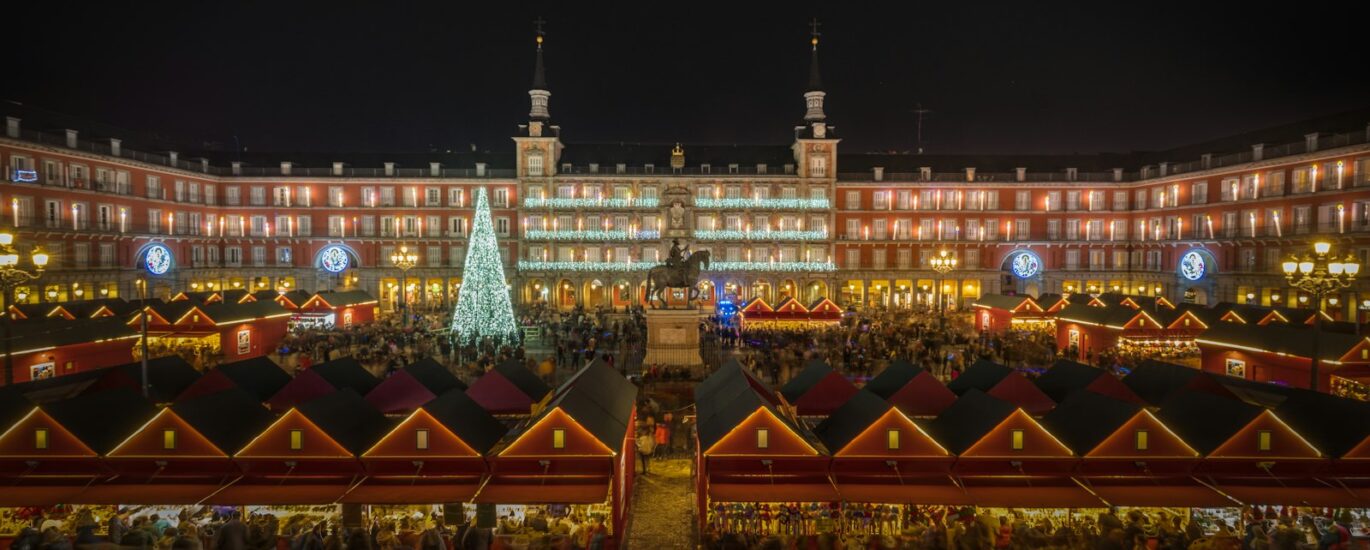
In Spain, the holiday season stretches from late December into early January. It includes a famous lottery, a long Christmas Eve dinner, a day of pranks, twelve grapes at midnight and gifts from the Three Kings. Spanish Christmas traditions also vary by region. In Catalonia, children hit a smiling log with sticks to make it “deliver” presents.
This guide walks through the main Spanish Christmas traditions in the order they happen. You’ll learn what each custom means, which foods families share and how traditions differ between Madrid and Barcelona. You’ll also find vocabulary and classroom activities that help students compare holidays across cultures. These topics work well for December lessons in Spanish 1 through AP.
Spanish Christmas traditions, step by step
December 22: El Gordo lottery
The season unofficially begins with the Christmas lottery, the Lotería de Navidad. Its top prize is called El Gordo, “the fat one.” Families, friends and coworkers often share tickets. On the morning of the draw, children from Madrid’s San Ildefonso school sing the winning numbers on live television. Many Spaniards watch or listen while they work.
December 24: Nochebuena
Christmas Eve, Nochebuena, is the main family celebration. Relatives gather for a long dinner that often includes seafood, roast lamb or other regional dishes. Some families attend midnight mass, known as the Misa del Gallo.
December 25: Navidad
Christmas Day is a quieter family day with another large meal. In recent decades, some children also receive gifts from Papá Noel on this day.
December 28: Día de los Santos Inocentes
This day is similar to April Fools’ Day. People play pranks, and the media sometimes publish joke news stories. A common prank is sticking a paper figure on someone’s back.
December 31: Nochevieja and the 12 grapes
On New Year’s Eve, Spaniards eat twelve grapes at midnight, one with each chime of the clock. Each grape is said to bring a lucky month. The custom became popular in the early 20th century. Millions watch the clock on the Real Casa de Correos in Madrid’s Puerta del Sol on television, and crowds gather in the square.
January 6: Three Kings Day
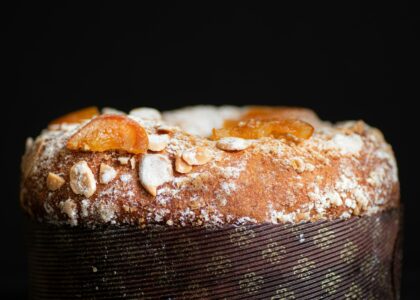
The season ends with the Epiphany, when the Three Wise Men bring gifts. On January 5, cities hold parades called cabalgatas. Families share a ring-shaped cake called roscón de reyes.
Regional traditions: Catalonia
Caga Tió
In Catalonia, families bring home a Tió de Nadal, a small log with a painted face, legs and a red hat. Children “feed” it in the weeks before Christmas and cover it with a blanket. On Christmas Eve or Christmas Day, they hit it with sticks while singing a traditional song. Then they lift the blanket to find small gifts and sweets.
The caganer
Nativity scenes, called belenes in Spanish and pessebres in Catalan, are popular across Spain. In Catalonia, many include a small, humorous figure called the caganer, tucked into a corner of the scene. The figure is considered a symbol of good luck and fertility of the land.
Spanish Christmas foods
- Turrón: A nougat made with almonds and honey, in hard and soft versions.
- Polvorones and mantecados: Crumbly shortbread-like sweets.
- Mazapán: Marzipan, especially associated with Toledo.
- Seafood: Shrimp and other shellfish are common at Christmas Eve dinners.
Classroom activities
- Timeline: Students build a timeline of the Spanish holiday season with dates and descriptions in Spanish.
- Grape challenge: Practice the twelve chimes with grapes or another healthy option, counting in Spanish.
- Compare traditions: Students compare Spanish customs with their own family traditions.
- Regional research: Groups research Christmas in different regions of Spain and present.
- Vocabulary: la Nochebuena, la Nochevieja, las uvas, el turrón, el belén, la lotería.
For more cultural lessons, see our guide to Spanish festivals and traditions.
Seeing these places on the Spain Global Impact Fellowship
Christmas is not part of Engaged Education’s itinerary, and program dates vary. Students on the Spain Global Impact Fellowship still visit places at the center of these traditions. In Madrid, they tour Puerta del Sol, where crowds gather for the twelve grapes, and Plaza Mayor, home to a famous Christmas market in December. In Barcelona, they explore the historic center, visit the Sagrada Familia and Park Güell and join a tapas cooking class with Mescladis. Our Madrid facts for students and Barcelona fun facts add more context.
FAQ
What are the main Spanish Christmas traditions?
Key traditions include El Gordo lottery, Nochebuena dinner, Día de los Santos Inocentes, eating twelve grapes on New Year’s Eve and Three Kings Day on January 6.
Why do Spaniards eat 12 grapes at New Year?
Each grape is said to bring luck for one month of the new year. People eat one grape with each chime of the clock at midnight.
What is the Caga Tió?
The Caga Tió is a Catalan Christmas tradition. Children hit a decorated log with sticks while singing, then find small gifts under its blanket.
Explore Spanish culture with your class
Spanish Christmas traditions help students connect language, food and family life. Our Spain Global Impact Fellowship 2027 is a 10-day program in Barcelona and Madrid built for high school groups. Fill out our form to learn more.
Start your journey by downloading the Engaged Education Brochure and learn more about our immersive programs in Spain and beyond. Interested in creating lasting impact around the world? You can directly assist communities in need by becoming a monthly donor through MEDLIFE’s Moving Mountains initiative.