
The morning starts early in the hills outside Lima, Peru. Students gather over breakfast while local coordinators walk through the day’s schedule in both English and Spanish. Some students are still waking up, while others are already asking questions about the community they will visit later that morning.
Within an hour, the group is traveling through winding roads toward a local MEDLIFE community. Along the way, students talk with trip leaders about healthcare access, housing, education, and sustainability in Peru. For many participants, this is the moment when a student travel program begins to feel different from a typical vacation or school trip.
There are no staged tourist experiences or rushed photo opportunities. Instead, the day is built around learning, reflection, cultural exchange, and collaboration with local communities.
For students participating in a school trip South America experience, each day combines hands-on learning with opportunities to better understand culture, language, history, and global systems.
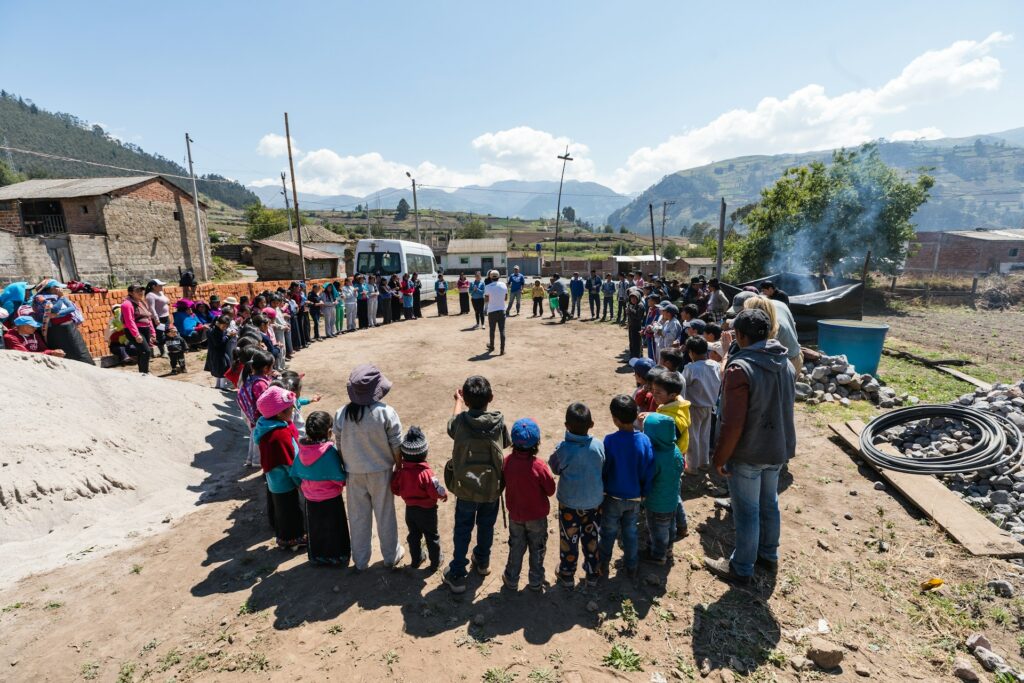
Morning: Learning Beyond the Classroom
One of the first things students notice on educational travel programs is how interactive the learning feels.
Instead of sitting through lectures, students experience concepts in real time. A conversation about public health becomes more meaningful after speaking with local healthcare professionals. Discussions about sustainability become more tangible after visiting communities navigating environmental and economic challenges.
Programs focused on learning by doing encourage students to actively participate in what they are learning instead of simply observing.
On many MEDLIFE and Engaged Education programs, mornings may include:
- Visiting local schools or healthcare clinics
- Learning from community leaders and local staff
- Participating in educational workshops
- Exploring historical and cultural sites
- Practicing Spanish through conversation and immersion
Students participating in South America student tours often discover that travel becomes more meaningful when they engage directly with local communities and perspectives.
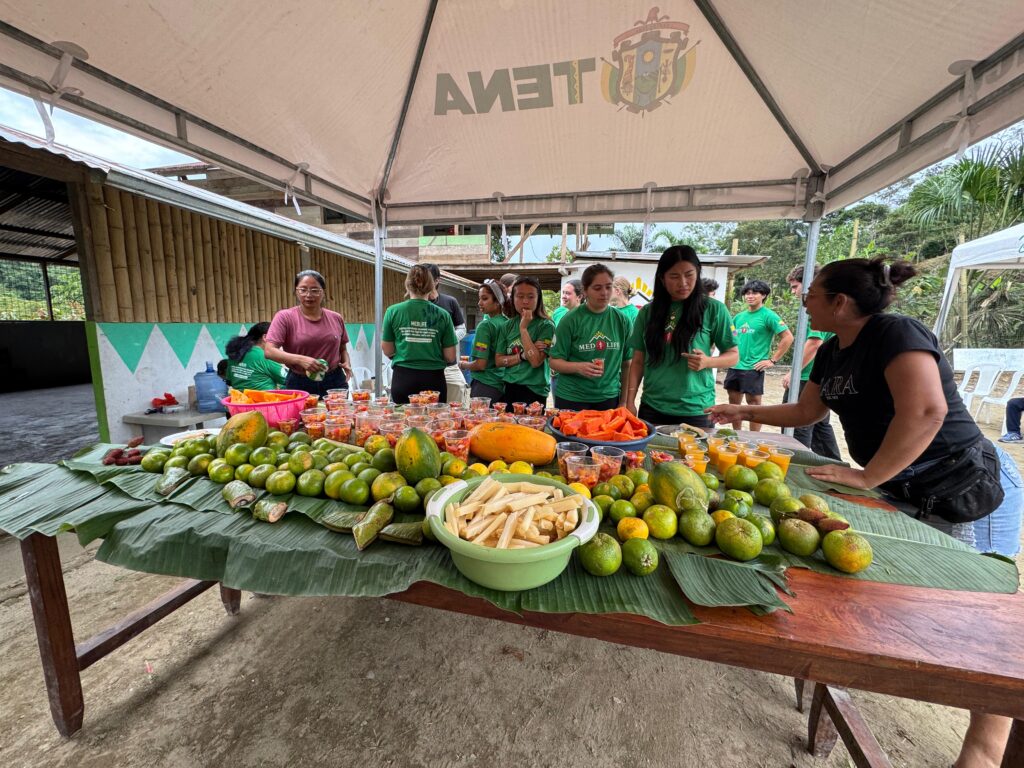
Midday: Cultural Exchange and Community Engagement
By midday, students are usually fully immersed in the rhythm of the experience.
In Ecuador, students may spend part of the afternoon exploring local markets or learning about Indigenous traditions from community members. In Peru, students might help organize educational activities with children or participate in conversations about sustainable development projects.
Programs built around ethical volunteering prioritize learning and collaboration rather than short-term volunteerism.
Students are not positioned as people arriving to “fix” problems. Instead, they learn how local leaders, healthcare professionals, educators, and residents drive long-term community initiatives.
This perspective often changes how students understand service and global engagement.
During a typical South America travel experience, students may also:
- Share meals with local families
- Practice language skills during daily interactions
- Learn traditional cooking or dance styles
- Explore biodiversity and environmental conservation projects
- Visit historical landmarks and cultural centers
Experiences like educational teen tours in Latin America help students connect classroom concepts to real-world experiences.
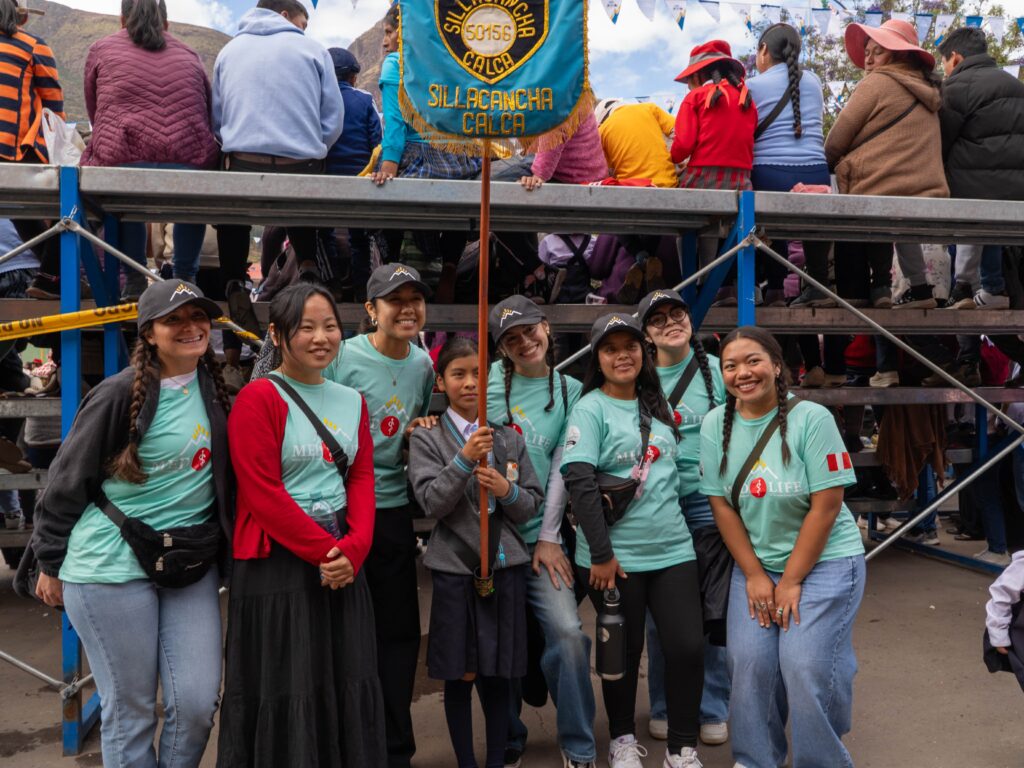
Afternoon: Reflection, Leadership, and Growth
One of the most important parts of a student travel experience happens after the activities themselves.
Reflection is intentionally built into many Engaged Education programs because learning does not stop when the excursion ends.
Students often gather in small reflection groups to discuss what challenged them, what surprised them, and what they are continuing to think about. These conversations help students process cultural differences, ethical questions, and emotional experiences in a thoughtful way.
As explored in social-emotional learning through educational travel, reflection allows students to develop empathy, communication skills, and greater self-awareness.
Throughout the day, students are also encouraged to take responsibility for navigating schedules, communicating respectfully, and supporting one another.
Programs focused on teaching independence through travel help students build confidence through real-world responsibility.
For many participants, this becomes one of the most transformative aspects of the experience.
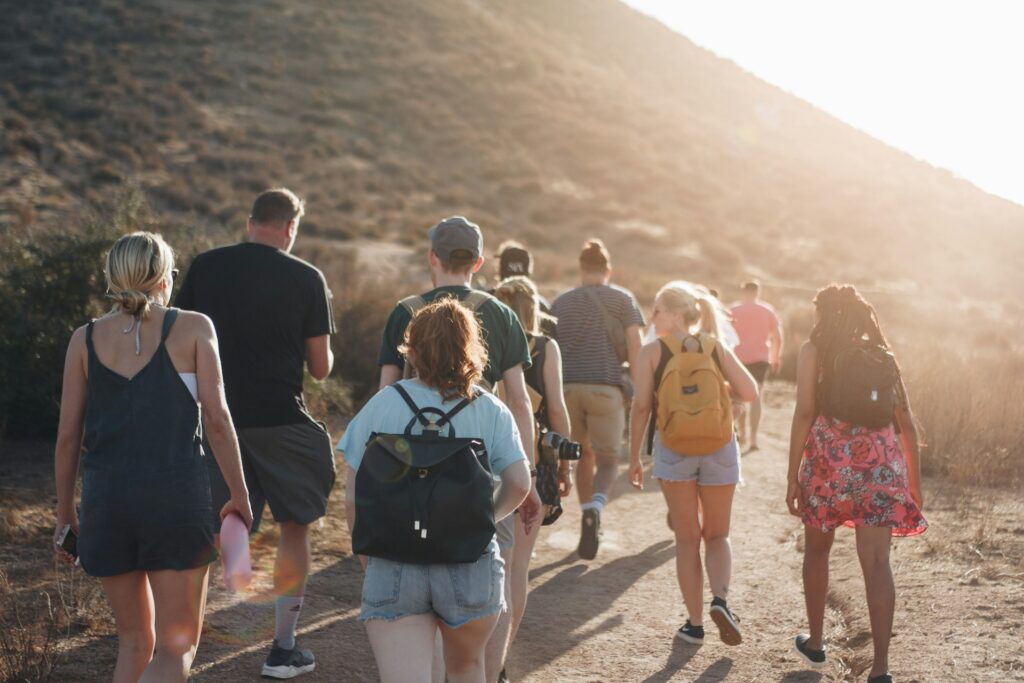
Evenings: Conversations That Continue Long After the Trip
Evenings on a student travel program are often quieter but equally meaningful.
After dinner, students may journal, prepare for the next day’s activities, or continue conversations with peers and trip leaders about what they experienced.
Sometimes students discuss healthcare systems and public policy. Other nights, they reflect on cultural traditions, language barriers, or moments that challenged their assumptions.
These conversations are often what students remember most after returning home.
Trip leaders also play an important role in helping students process unfamiliar situations respectfully. As discussed in how to lead your first student travel program abroad, structured reflection and ethical guidance help students engage thoughtfully with the communities they visit.
Students participating in a school trip South America experience frequently return home with stronger communication skills, increased confidence, and a more nuanced understanding of the world around them.
What Makes South America Travel So Impactful for Students
South America continues to be one of the most meaningful regions for educational travel because it offers a unique combination of cultural diversity, ecological richness, historical significance, and community-centered learning.
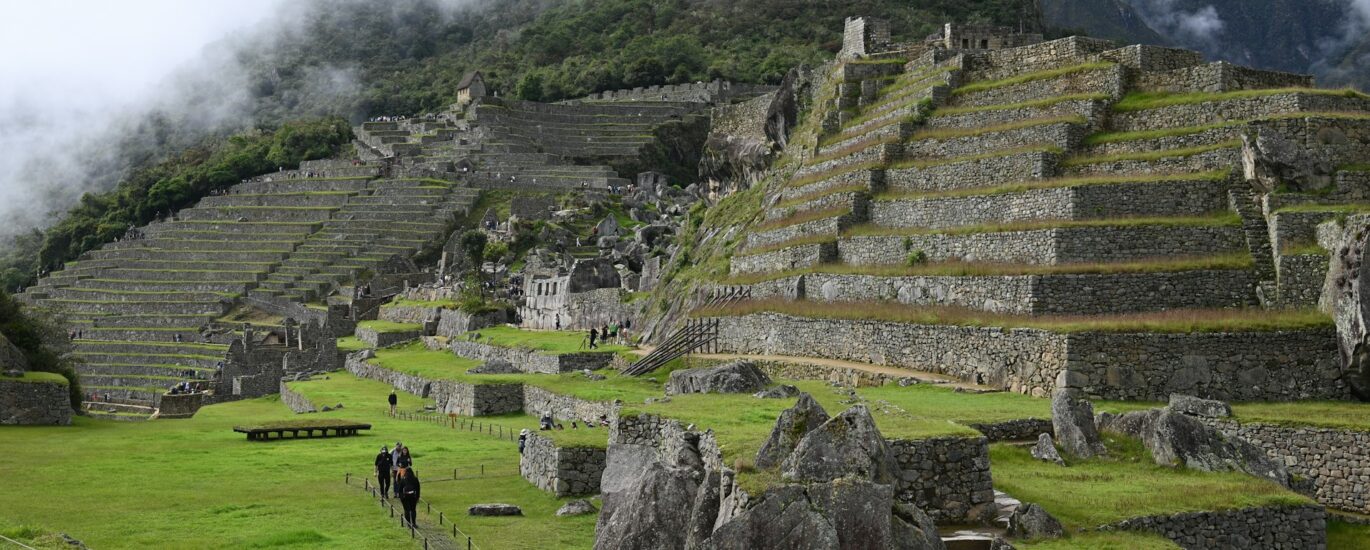
Students can explore ancient Incan history in Peru, biodiversity in the Galápagos Islands, Indigenous traditions in Ecuador, and sustainability initiatives across Latin America.
Programs like discovering Peru’s culture and immersive journeys in the Ecuadorian Andes allow students to experience firsthand how culture, environment, education, and healthcare intersect.
Unlike traditional tourism, educational travel encourages students to become active learners within the environments they visit.
This type of immersive learning often shapes future academic interests, careers, and perspectives long after the trip ends.
Engaged Education - Transformative Educational Travel Experiences
A day on a student travel program is about much more than sightseeing.
It is about learning directly from communities, engaging thoughtfully with global issues, developing independence, and building meaningful connections through shared experiences.
Whether students are exploring healthcare systems in Peru, participating in sustainability projects in Ecuador, or practicing language skills through cultural immersion, educational travel creates opportunities for growth that extend far beyond the classroom.
If you are interested in immersive educational travel experiences rooted in ethical collaboration and cultural exchange, download the Engaged Education brochure to learn more about upcoming programs.
You can also support sustainable, community-driven projects by becoming a monthly donor to MEDLIFE. Your support helps fund long-term healthcare, education, and development initiatives in low-income communities.