
When organizing a student trip abroad, it is easy to focus entirely on the most sought-after tourism destinations. However, the structure of the itinerary can be the true difference between immersive cultural learning and surface-level tourism. If you want your students to look beyond the surface of a new country, you need to understand the difference between standard tourism and community engaged learning. Standard tourism focuses primarily on consumption, checking major sights off a list, taking photos, and moving quickly from one historic spot to the next. In contrast, an intentional educational program shifts the focus from what a student can take from a place to how they can understand it through the eyes of the people who live there.
Here is how these two travel frameworks differ and why the distinction matters for student development.
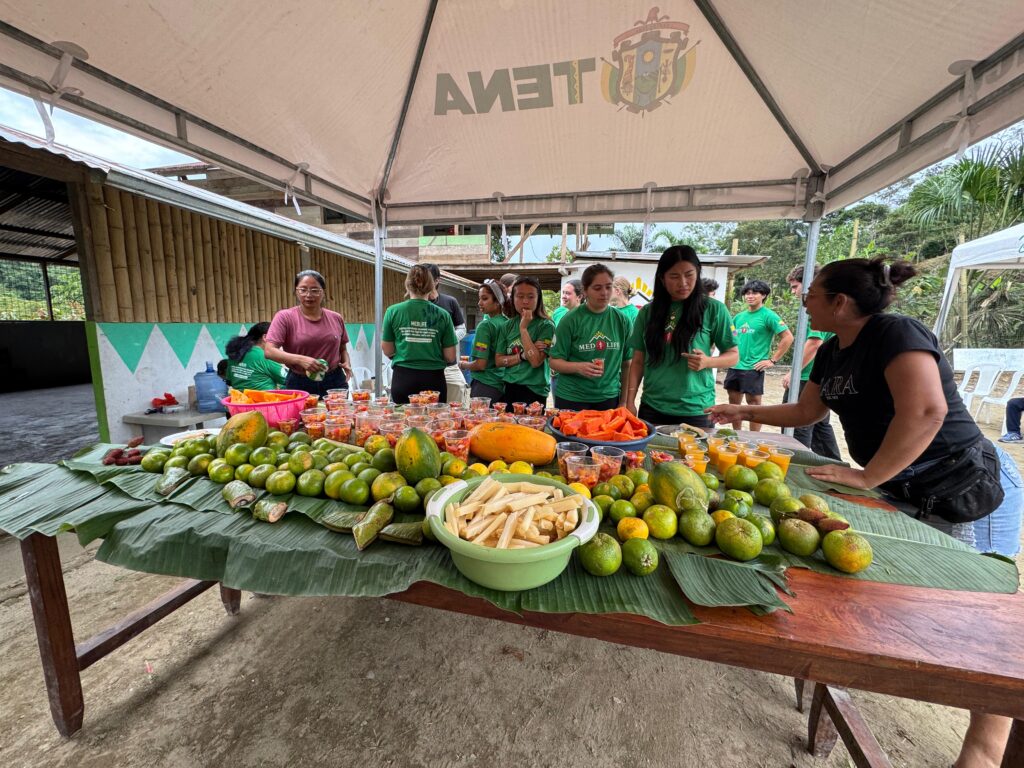
The Goal: Observation vs. Immersive Perspective
Standard tourism treats a country like a scenic backdrop. Students observe landscapes, historic ruins, and local neighborhoods from a distance, remaining outsiders throughout the journey.
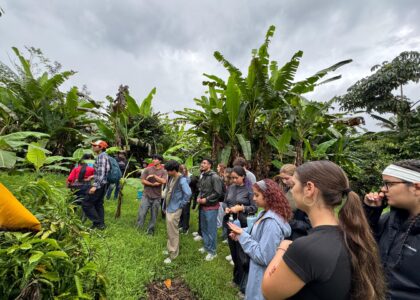
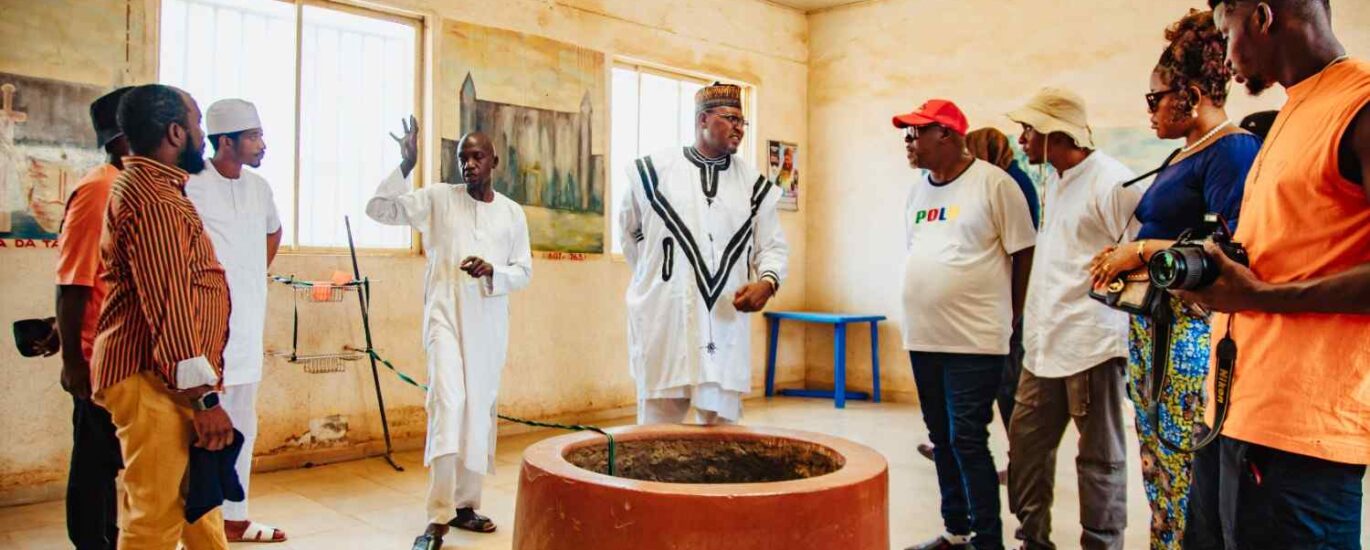
When a program prioritizes community engaged learning, the goal changes from passive observation to active, mutual understanding. Instead of just reading a plaque at a historic site, students hear directly from local historians, indigenous leaders, and community members who bring the destination to life. The focus shifts toward understanding the lived realities, history, and social dynamics of the region through personal interaction.
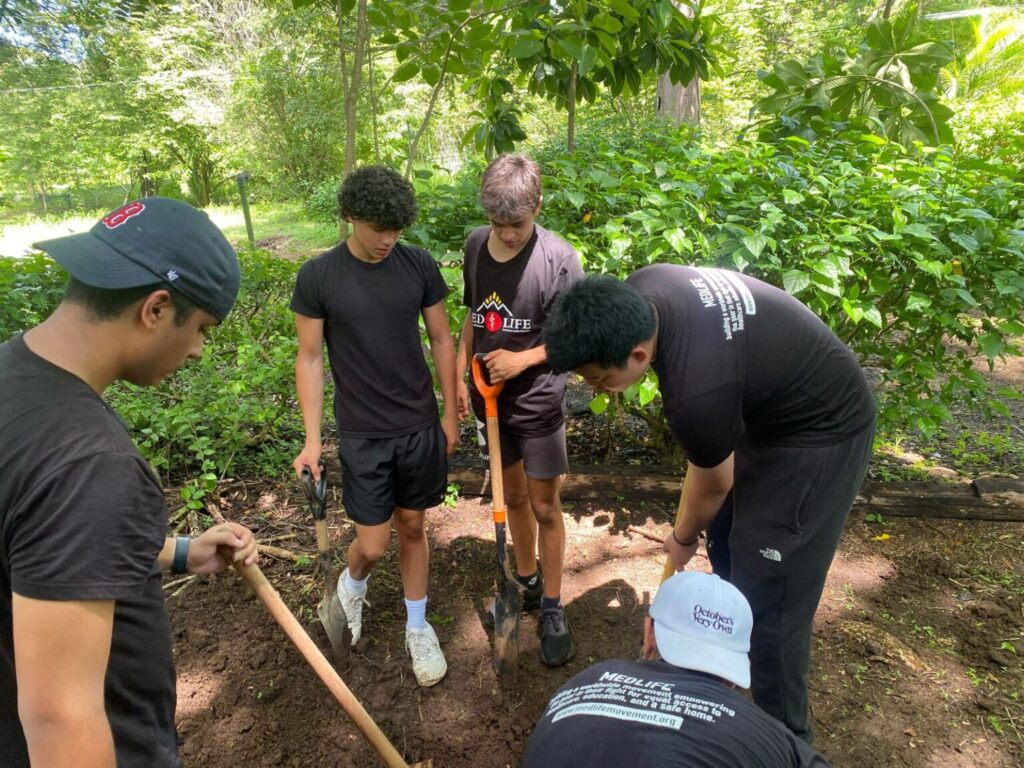
The Itinerary: Surface Sightseeing vs. Deep Cultural Context
A standard tourist itinerary moves quickly to maximize the number of locations visited. While this exposes students to major highlights, it rarely leaves room for deeper education.
The Tourist Approach: Visiting a market or historic square, taking quick photos, and leaving for the next monument.
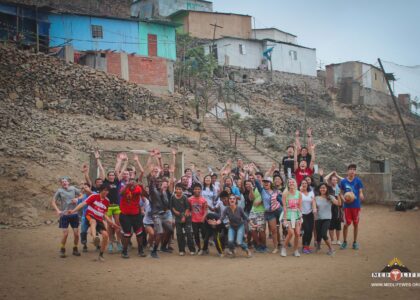
The Engaged Education Approach: Exploring the destination alongside local guides, learning about traditional practices directly from artisans, and spending dedicated time participating in local community service projects.
This balanced pacing allows students to contextualize what they see, combining cultural exploration with a hands-on understanding of local challenges.
The Long-Term Outcome: A Trip vs. A Transformation
Standard tourism usually ends when the flight lands back home. The photos go on social media, the souvenirs go on shelves, and the daily routine resumes unchanged.
Because community engaged learning emphasizes the process of listening and analyzing, the impact continues long after the bags are unpacked. Students do not just return with travel memories; they return with a clearer understanding of global diversity, history, and structural challenges. This firsthand experience challenges their perspectives, helping them grow into critical thinkers and empathetic global citizens who look for ways to engage meaningfully with the world around them.
Moving beyond standard tourism is essential for educators who want to provide a truly transformative educational experience. By choosing a travel framework built on historical context, cultural immersion, and responsible service, you ensure your students do not just see a destination, they truly learn from it.
If you are ready to take your curriculum beyond the classroom, contact our travel advisors today to get a quote and start planning an unforgettable, life-changing journey for you and your students.