North American students grow up with a strong tipping culture. In the U.S. and Canada, adding a tip at a restaurant feels automatic. Tipping in Spain works differently, and that can confuse first-time visitors. Students often wonder whether they are being rude by leaving less, or wasteful by leaving too much.
This quick guide clears that up. You will learn the basic rule for tipping in Spain and how it applies to cafés, tapas bars, restaurants, taxis and hotels. You will also find tips on handling euros, cards and small change. We finish with what tipping looks like on a group program, so students and parents can budget with confidence.
The Basic Rule for Tipping in Spain
Spain’s official tourism site, spain.info, states that tipping is not obligatory in Spain. Tips are still common in bars, restaurants, hotels and taxis. When people do tip, it is usually a small amount. Spain.info gives a range of about 5 to 10 percent of the bill.
In practice, many Spaniards simply round up or leave the small coins from their change. A tip is a way to say thanks for good service. There is no fixed percentage to follow.
A useful phrase
If you want the server to keep the change, you can say “Quédese con el cambio, gracias” (Keep the change, thank you). It is polite and a good chance to practice Spanish.
Tipping in Spain by Situation
Travel magazine Afar describes common practice in Spain this way. Customs vary, so treat these as general guidance.
Cafés
No tip is expected for a coffee or a pastry. Some people leave a few cents from their change.
Tapas bars
If you only had drinks, you do not need to tip. If you ordered food, it is common to leave a few coins or round up the bill. Our tapas food culture guide explains how ordering tapas works.
Sit-down restaurants
Tipping is not required. At nicer restaurants, people often leave 5 to 10 percent. First check the bill for “servicio incluido,” which means service is already included. Casual local restaurants usually do not receive an extra tip.
Taxis
Rounding up to the next euro is common. Some travelers add a little more if the driver helps with heavy bags.
Hotels
Small tips for housekeeping or porters are a kind gesture. They are not required.
Tour guides
Guides often receive tips in Spain. On a group program, the organizer can tell you what is customary for each guide and driver.
Spain Travel Tips for Handling Euros
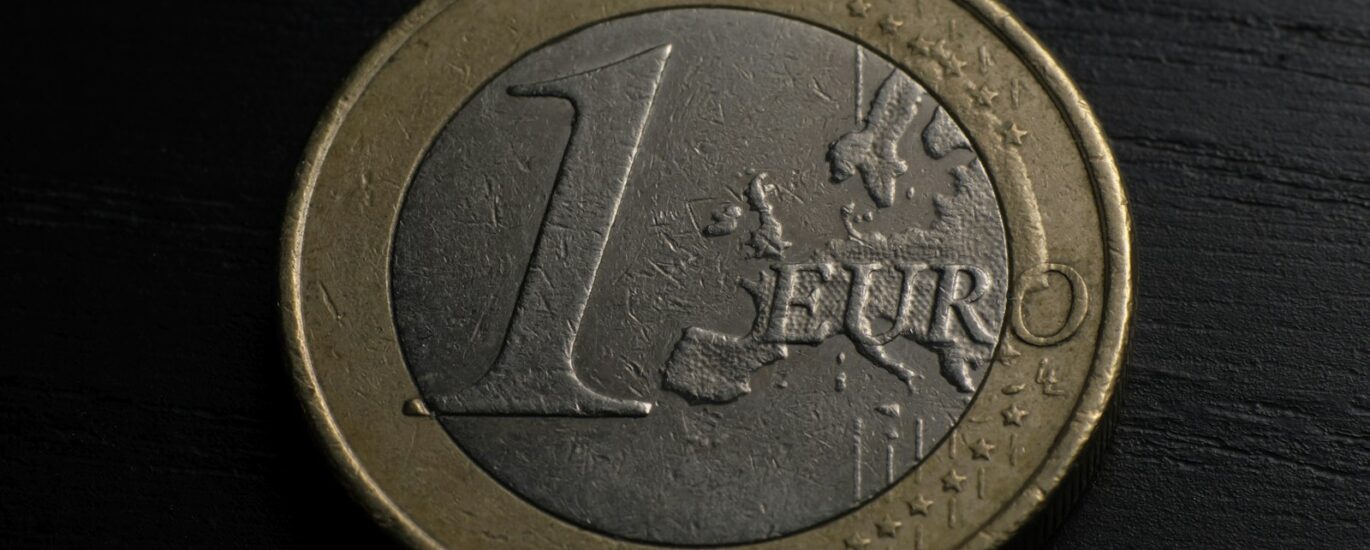
Spain uses the euro (€). One euro equals 100 cents. There are coins for 1, 2, 5, 10, 20 and 50 cents, plus 1 and 2 euros. Notes come in 5, 10, 20, 50, 100, 200 and 500 euros.
A few money tips for students:
- Carry small coins. One- and two-euro coins are useful for tips, snacks and souvenirs.
- Bring a card, too. Visa and Mastercard are widely accepted. Some small shops may set a minimum amount for card payments.
- Tip in cash when you can. Afar notes that card tips may not always reach the staff member who served you.
- Avoid large notes. Small businesses may not have change for a 50 or 100 euro note.
- Use bank ATMs. ATMs at bank branches are common in city centers. Check with your home bank about foreign transaction fees before you leave.
For more budgeting ideas, see our guide on saving money for travel abroad.
Teaching moment for the classroom
Tipping customs are a simple way to start a conversation about cultural norms. Ask students why tipping is so common in North America and less expected in Spain. Have them compare how restaurant staff are paid in different countries. It builds the cultural awareness they will use throughout the trip. Pair this with our article on Spanish gestures and etiquette.
Tipping on the Spain Global Impact Fellowship 2027
Our 10-day Spain Global Impact Fellowship 2027 takes students to Barcelona and Madrid. Breakfast, lunch and dinner are included every day, along with hotel accommodation and program transportation. That means students do not pay for their own daily meals.
Tips are not included in the program. Neither are international flights, souvenirs or personal expenses. Before departure, our team can explain what tips are customary for guides and drivers, so families can plan ahead. Students only need a modest budget for extras, such as a snack between activities or a souvenir from the San Cristóbal Market visit in Madrid.
Program highlights include the Sagrada Familia and Park Güell, a day at Montserrat, and a tapas cooking class with Mescladis, a Barcelona organization that provides training and job opportunities to refugees, immigrants and people with disabilities. In Madrid, students visit the Prado Museum and join a Lavapiés street art workshop.
FAQ
Is tipping expected in Spain?
No. Tipping in Spain is not obligatory. Many people round up or leave small change, and some leave 5 to 10 percent at sit-down restaurants for good service.
How much should I tip at a restaurant in Spain?
At casual places, a few coins or rounding up is enough. At nicer restaurants, 5 to 10 percent is common if service is not already included on the bill.
Should I tip in euros or by card?
Cash in euros is best. Card tips are possible, but they may not always reach the person who served you.
Prepare Your Students for Spain
Knowing local customs helps students feel confident from the first day. Our Spain Global Impact Fellowship 2027 is a 10-day program in Barcelona and Madrid built for high school groups. Fill out our form to learn more.
Start your journey by downloading the Engaged Education Brochure and learn more about our immersive programs in Spain and beyond. Interested in creating lasting impact around the world? You can directly assist communities in need by becoming a monthly donor through MEDLIFE’s Moving Mountains initiative.