Quinoa appears in salad bowls and supermarkets around the world. Few people know that it comes from the high plains of the Andes, where farmers have grown it for thousands of years. Understanding quinoa’s origin helps students see how Andean agriculture shaped global food and how a traditional crop can change when the world discovers it.
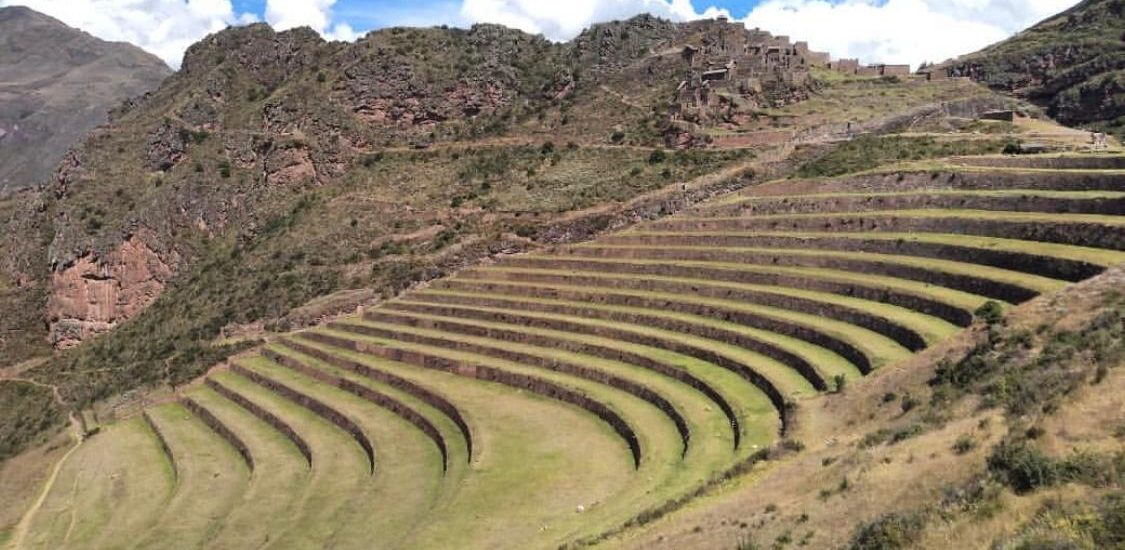
This guide explains where quinoa comes from, how Andean peoples grew and used it and why it became a global food in the 21st century. You’ll learn about the debates around the quinoa boom, the science behind its bitter coating and how Peruvians cook it today. You’ll also find classroom ideas for science, social studies and Spanish. Students on Engaged Education’s Cusco program see Andean farming landscapes in the Sacred Valley.
Quinoa origin: the Andes
Domesticated near Lake Titicaca
Scientists believe quinoa was domesticated thousands of years ago in the Andes, near Lake Titicaca, on today’s border between Peru and Bolivia. Wild relatives of the plant still grow in the region. Over generations, farmers selected plants with larger seeds and better yields.
Built for hard conditions
Quinoa grows well at high altitudes, in cold nights, strong sun and poor soils. Some varieties tolerate drought and salty ground. These traits made it valuable on the altiplano, the high plateau where few other crops grow well.
A seed, not a true grain
Botanically, quinoa is not a cereal like wheat or corn. It is a seed from a plant related to spinach and beets. Nutritionists often call it a pseudocereal. It is naturally gluten-free and contains all nine essential amino acids.
Quinoa in Andean history
Andean peoples grew quinoa alongside potatoes and corn. It was an important food in highland communities. Spanish chroniclers recorded its use in the Inca period. It is often said that the Inca considered quinoa sacred, though historians are careful about how they use those stories.
After the Spanish conquest, European crops such as wheat and barley spread in the Andes. Quinoa remained important in rural Indigenous communities but was often seen as a poor people’s food.
The global quinoa boom
Worldwide popularity
In the early 2000s, quinoa became popular in North America and Europe as a healthy food. The United Nations named 2013 the International Year of Quinoa to highlight its role in food security.
Debates about the boom
Rising demand raised prices. This brought new income to many Andean farmers. It also raised questions about whether local families could still afford quinoa, about land use and about soil health. Researchers have found mixed effects that vary by region. The topic is a strong case study for students learning about global trade.
New growing regions
Today, quinoa is grown in many countries outside the Andes. Peru and Bolivia remain major producers.
Why quinoa must be rinsed
Quinoa seeds are covered in natural compounds called saponins. They taste bitter and can foam in water. Saponins may help protect the plant from birds and insects. Most commercial quinoa is pre-washed, but many cooks still rinse it before cooking.
How Peruvians eat quinoa
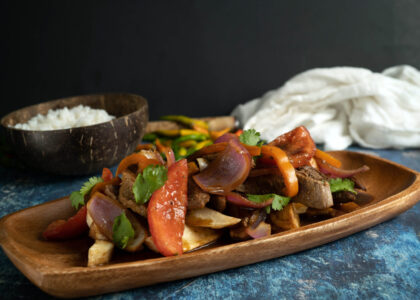
- Sopa de quinua: A hearty soup with vegetables and sometimes meat.
- Quinotto: A creamy dish inspired by risotto.
- Salads: Mixed with vegetables, cheese or herbs.
- Drinks and breakfasts: Cooked with milk, fruit or cinnamon.
Vegetarian students can find quinoa dishes in many Peruvian restaurants. Our guide to vegetarian and vegan travel has more tips.
Classroom ideas
- Science lab: Shake quinoa in water to see the saponin foam, then compare rinsed and unrinsed quinoa.
- Trade case study: Debate the effects of the quinoa boom from the points of view of farmers, consumers and governments.
- Map: Locate Lake Titicaca and the altiplano.
- Vocabulary: la quinua, la semilla, el altiplano, cosechar, enjuagar.
For more Andean food history, see our guide to Peruvian potatoes and our Inca Empire facts.
Andean farming on the Cusco program
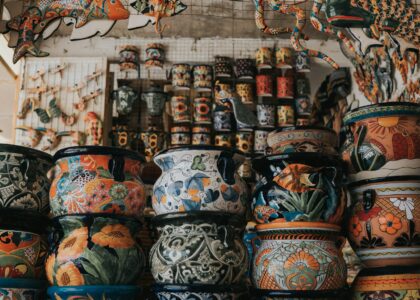
On Engaged Education’s 8-day Cusco program, students spend day five in the Sacred Valley. They take a Spanish lesson, visit the Pisac archaeological site and its terraces and join a ceramic workshop in Cuyo Chico. The valley’s fields show how Andean farmers have worked steep land for centuries. Students also take a cooking class on day two and visit MEDLIFE partner communities on day four.
FAQ
Where does quinoa originate?
Quinoa originated in the Andes, near Lake Titicaca on the border between Peru and Bolivia, where it was domesticated thousands of years ago.
Is quinoa a grain?
Quinoa is a seed, not a true cereal. It is often called a pseudocereal and is naturally gluten-free.
Why do you rinse quinoa?
Quinoa seeds have a natural bitter coating called saponin. Rinsing removes it and improves the taste.
Explore Andean agriculture with your class
Quinoa helps students connect ancient farming with global food systems. Our Language Immersion program in Cusco includes a day in the Sacred Valley and a cooking class. Fill out our form to learn more.
Start your journey by downloading the Engaged Education Brochure and learn more about our immersive programs in Peru, Spain, and beyond. Interested in creating lasting impact around the world? You can directly assist communities in need by becoming a monthly donor through MEDLIFE’s Moving Mountains initiative.