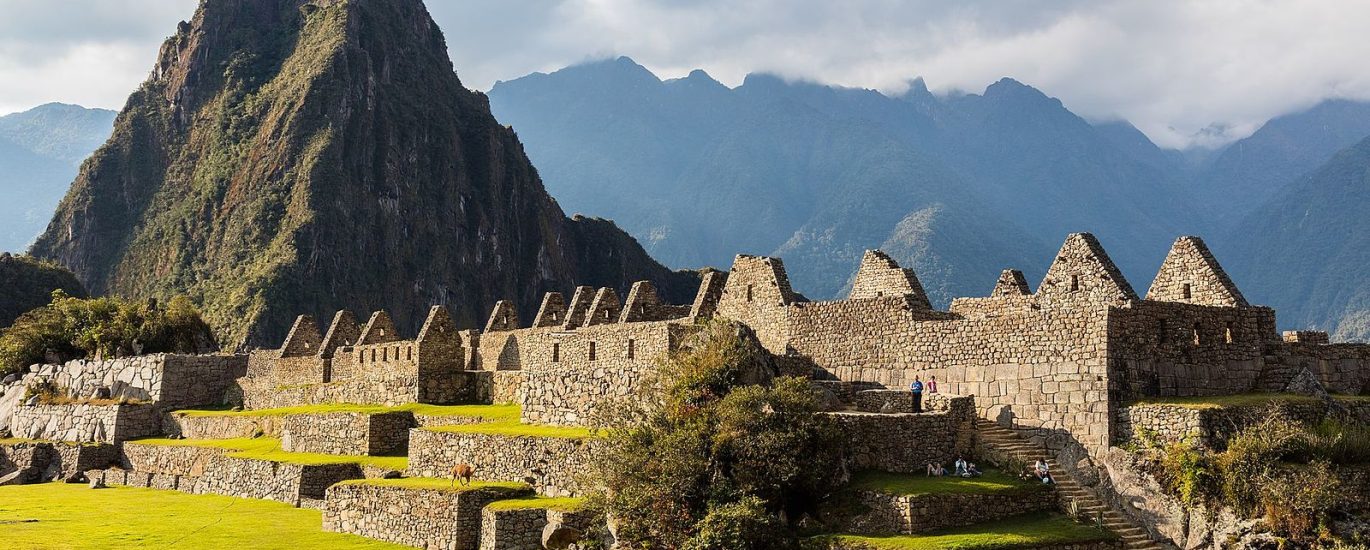
The Inca built the largest state in the Americas before 1500, and they did it in some of the steepest terrain on Earth. These Inca Empire facts give high school students a clear starting point for a history unit, a research project, or a trip to Cusco.
In this guide, you will learn how the empire was organized, how its famous road network worked, and how the Inca kept records without a written alphabet. You will also find ideas for teachers who want to connect the topic to Spanish, social studies, or geography classes. At the end, we explain how our Cusco language immersion program lets students see Inca sites in person while practicing Spanish.
Key Inca Empire Facts: Tawantinsuyu and Its Rulers
The Inca called their state Tawantinsuyu. In Quechua, the name means “the four parts together.” Each part, or suyu, was a region that met at the capital, Cusco.
A fast expansion
The Inca were a small kingdom around Cusco for a long time. That changed after Pachacuti defeated the Chanca people in 1438. Under Pachacuti and his successors, the empire grew quickly. At its height, it stretched about 5,500 km (3,400 miles) from north to south, according to World History Encyclopedia.
A diverse population
Historians estimate that around 40,000 Inca governed about 10 million subjects. Those subjects spoke more than 30 languages. Quechua served as a common language for administration. Today it is still spoken by millions of people in the Andes.
Cusco as the center
Cusco was the religious and political heart of the empire. Its stonework still impresses engineers. Walls were built from blocks cut to fit together without mortar. Students can see this craftsmanship today at sites like Sacsayhuaman, just above the city.
How the Inca Connected an Empire: The Qhapaq Ñan
The Inca road system, known as the Qhapaq Ñan, is one of the best topics for a class discussion on engineering and government.
The scale of the Inca roads
The network covered about 30,000 km and linked Cusco with the far edges of the empire. It crosses six present-day countries. In 2014, UNESCO added the Qhapaq Ñan, Andean Road System, to the World Heritage List.
What the roads were used for
UNESCO describes the network as a system for communication, trade, and defense. Roads climbed mountain passes, crossed deserts, and spanned rivers with rope bridges. Rest stations along the way stored food and supplies for travelers and armies.
Chasqui runners and quipus
Messages traveled by relay. Runners called chasquis passed information from one station to the next. Records were kept on quipus, which are cords with knots. The position and type of each knot stored numbers in a decimal system. Quipus helped officials track labor, harvests, and population.
Classroom connections
These facts fit well across subjects:
- History: compare the Inca road network with Roman roads.
- Math: build a simple quipu to record class data.
- Spanish: read short texts about the Spanish arrival in 1532 and practice past tenses.
- Geography: map the four suyus on a modern map of South America.
The End of the Empire and Its Legacy Today
In November 1532, Spanish forces led by Francisco Pizarro captured the Inca ruler Atahualpa at Cajamarca. The Spanish executed him in 1533 and took Cusco later that year. European diseases had already caused heavy loss of life across the region.
The empire ended, but Andean culture continued. Quechua remains a living language. Farming terraces are still in use. Many families in the Cusco region keep traditions that connect to Inca times. When students visit, they learn this history alongside the people who carry it forward today. That is a useful lesson in how history and present-day culture connect.
See Inca History in Cusco With Your Students
Our Language Immersion in Cusco program is an 8-day trip built for high school groups. Spanish practice runs through the whole itinerary. Inca history runs through several days of the itinerary.
On Day 3, students take an interactive Spanish lesson. Then they tour Cusco’s historic center and visit Sacsayhuaman, Puca Pucara, and Tambomachay. On Day 5, the group travels to the Sacred Valley to visit the Pisac archaeological site. On Day 6, students take the train to Aguas Calientes for a guided visit to Machu Picchu. Train and bus tickets to Machu Picchu, entrance fees, and local guides are included.
Students also visit MEDLIFE partner communities on Day 4 to learn about global health while practicing Spanish. For more background before you go, read about exploring Machu Picchu and other historical sites in Peru.
Cusco sits at high altitude. Plan for a slow first day and talk with families about preparation before departure. Entry rules and site ticket policies can change, so check official, current sources as your trip approaches.
FAQ
What was the Inca Empire called?
The Inca called their empire Tawantinsuyu. In Quechua, the name means “the four parts together.” It referred to the four regions that met at the capital, Cusco.
How long were the Inca roads?
The Inca road network, the Qhapaq Ñan, covered about 30,000 km. It linked Cusco with distant parts of the empire across six present-day countries. UNESCO listed it as a World Heritage Site in 2014.
How did the Inca keep records without writing?
The Inca used quipus, which are knotted cords. The type and position of each knot recorded numbers in a decimal system. Officials used quipus to track people, goods, and labor.
Bring Inca History Into Your Spanish Program
Inca history makes more sense when students stand on the stones the Inca placed. Our Language Immersion in Cusco program combines daily Spanish practice with guided visits to Sacsayhuaman, Pisac, and Machu Picchu. Our Language Immersion in Lima program is another option for groups that prefer the coast. Fill out our form to learn more.
Start your journey by downloading the Engaged Education Brochure and learn more about our immersive programs in Peru, Spain, and beyond. Interested in creating lasting impact around the world? You can directly assist communities in need by becoming a monthly donor through MEDLIFE’s Moving Mountains initiative.