Spanish is spoken by hundreds of millions of people across Europe, the Americas and Africa. Not surprisingly, it sounds different from place to place. A bus can be an autobús, a camión, a guagua or a colectivo. Some speakers say tú, others say vos. Learning about Spanish dialects helps students understand more people, appreciate cultural diversity and feel less surprised when the Spanish they hear abroad doesn’t match the textbook exactly.
This guide introduces the main Spanish dialect regions and their key features. You’ll learn the most noticeable differences in pronunciation, grammar and vocabulary. You’ll also find classroom activities and tips for students preparing to travel. The goal is to show that every variety of Spanish is valid and that students can understand speakers from many places with practice.
Main features that vary across Spanish dialects
Pronunciation
- Distinción vs seseo: In central and northern Spain, z and c before e or i sound like “th.” In most of Latin America and parts of southern Spain, they sound like s.
- Aspirated or dropped s: In the Caribbean, southern Spain and parts of coastal South America, final s is often softened or dropped.
- LL and Y: Most speakers pronounce ll and y the same way. In Argentina and Uruguay, they often sound like “sh.”
Grammar
- Vosotros: Used in Spain for informal “you all.” Latin America uses ustedes for all “you all” situations.
- Voseo: In several countries, people use vos as the informal “you,” with its own verb forms. Vos tenés means “you have.”
Vocabulary
- Car: coche (Spain), carro (much of Latin America), auto (Southern Cone)
- Bus: autobús (Spain), camión (Mexico), guagua (Caribbean), colectivo (Argentina), micro (Chile)
- Juice: zumo (Spain), jugo (Latin America)
- Computer: ordenador (Spain), computadora (Latin America)
The main Spanish dialect regions
Peninsular Spanish
Spoken in Spain. It includes central varieties around Madrid, Andalusian Spanish in the south and Canary Islands Spanish, which sounds closer to Caribbean varieties. Our guide to Spanish accents in Spain explains these in detail.
Mexican Spanish
Spoken by the largest population of Spanish speakers in the world. It is known for clear consonants and many words from Nahuatl, such as chocolate and tomate.
Caribbean Spanish
Spoken in Cuba, Puerto Rico and the Dominican Republic. It is often fast, with softened final s and r and l sounds that sometimes swap.
Central American Spanish
Several Central American countries use vos in everyday speech. Vocabulary varies from country to country.
Andean Spanish
Spoken in the highlands of Peru, Bolivia and neighboring areas. It shows influence from Quechua and Aymara in vocabulary and rhythm. Coastal Peruvian Spanish, especially in Lima, is known for its clear pronunciation.
Rioplatense Spanish
Spoken in Buenos Aires, Montevideo and nearby areas. It uses vos, the “sh” sound for ll and y and an intonation often compared to Italian, reflecting heavy Italian immigration.
Chilean Spanish
Known for speed, softened consonants and many local expressions. Chileans often add po, a short form of pues, to the end of sentences, as in sí, po. Visitors usually need a few days to tune their ears.
Which Spanish dialect should students learn?
Any variety works. Most teachers use a general Spanish that speakers everywhere understand. Students who plan to travel can focus on the variety of their destination while learning to recognize others. Our post on Castilian vs Latin American Spanish compares the two most common teaching models.
Classroom activities
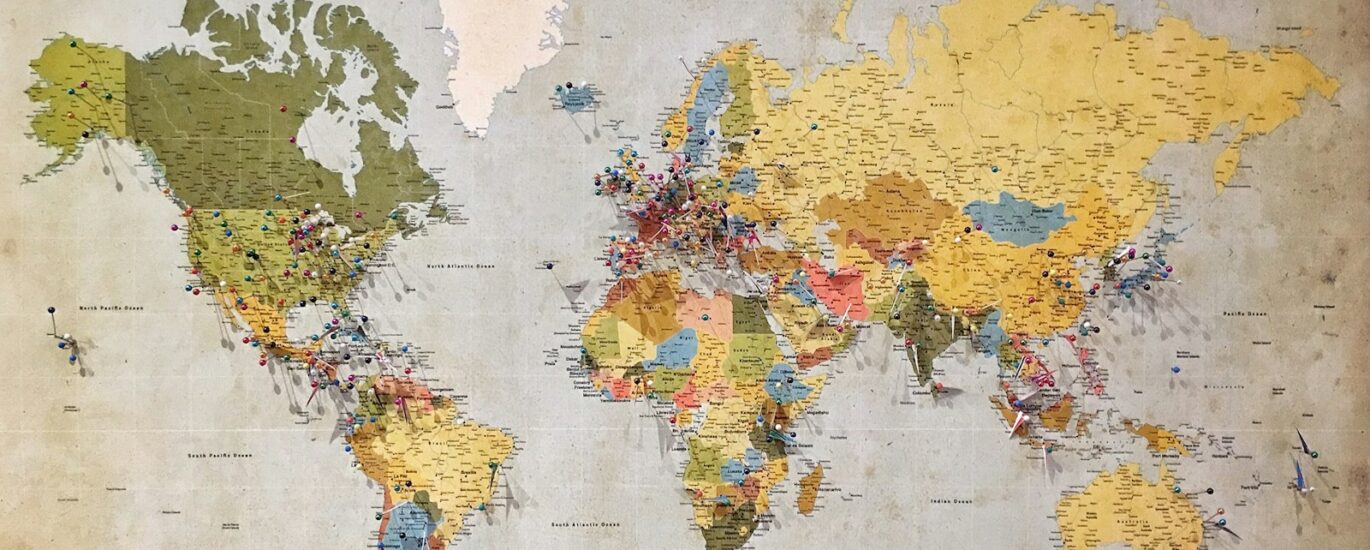
- Dialect map: Students color a world map by dialect region and add one feature for each.
- Vocabulary matching: Students match words for the same object across countries.
- Listening clips: Play short clips from different countries. Students guess the region.
- Heritage speakers: Invite volunteers to share words from their family’s country, if they wish.
- Debate: “Is there a ‘correct’ Spanish?” Students discuss and support their views.
Our Spanish-speaking countries guide helps students place each region on a map.
Hearing Spanish dialects on a trip
On Engaged Education’s 8-day Lima and Cusco language immersion programs, students hear coastal Peruvian Spanish in Lima and Andean Spanish in Cusco, alongside Quechua words. On the 10-day Spain Global Impact Fellowship, they hear central Spanish in Madrid and Spanish alongside Catalan in Barcelona. Comparing what they hear helps students build flexible listening skills.
FAQ
What are the main Spanish dialects?
Major regions include Peninsular, Mexican, Caribbean, Central American, Andean, Rioplatense and Chilean Spanish.
What is the biggest difference between Spain and Latin American Spanish?
Key differences include the “th” sound in central Spain, the use of vosotros in Spain and many vocabulary differences.
Which Spanish dialect is easiest to understand?
Many learners find Mexican and coastal Peruvian Spanish easy to understand because of their clear consonants.
Hear the many voices of Spanish
Learning about Spanish dialects helps students communicate with people across the Spanish-speaking world. Explore our Language Immersion programs in Lima and Cusco and our Spain Global Impact Fellowship 2027. Fill out our form to learn more.
Start your journey by downloading the Engaged Education Brochure and learn more about our immersive programs in Peru, Spain, and beyond. Interested in creating lasting impact around the world? You can directly assist communities in need by becoming a monthly donor through MEDLIFE’s Moving Mountains initiative.