Many high school students know early that they want to work in medicine, nursing or another health field. They look for ways to learn more before college. Medical programs for high school students range from local clubs and hospital volunteering to summer courses and global health experiences abroad. The best options help students explore the field honestly, build skills and understand what health careers really involve.
This guide compares common types of medical programs for high school students. You’ll learn what each type offers, what questions families should ask and which red flags to watch for, especially in programs abroad. We also explain how a global health learning experience can fit into a student’s exploration. No program guarantees admission to college or medical school. The goal is to learn and to make informed choices.
Types of medical programs for high school students
Student organizations
HOSA–Future Health Professionals is a national student organization with chapters in many high schools. Members explore health careers, build leadership skills and compete in health-related events. Science clubs and health occupations classes also offer a strong start.
Hospital and clinic volunteering
Many hospitals accept teen volunteers. Tasks may include greeting visitors, helping at information desks or supporting staff with non-clinical work. Age requirements vary, so families should check with local hospitals.
Shadowing
Shadowing means observing a health professional during their workday. Students can ask family doctors, local clinics or hospitals about opportunities. Shadowing shows the daily reality of a career. Students should dress professionally, prepare questions in advance and send a thank-you note afterward. Even one day of shadowing can help a student decide whether a field is a good fit.
Certification courses
In some areas, older teens can take courses for roles such as certified nursing assistant (CNA) or emergency medical technician (EMT). Age limits and requirements vary by state and province.
Summer pre-college programs
Universities and organizations offer summer programs in medicine, biology or public health. Some include lectures, labs and simulations. Costs and quality vary widely, so research carefully.
Research opportunities
Some students join research projects at universities or through science competitions. Research builds skills in data, writing and critical thinking.
Global health learning programs
These programs help students learn about health systems and community health in other countries. The best ones focus on listening, cultural understanding and reflection.
Questions to ask about any medical program
- What will students actually do each day?
- Who supervises students, and what are their qualifications?
- What are the learning goals?
- How does the program protect patient privacy and safety?
- What does it cost, and what is included?
- How do past participants describe the experience?
Red flags in medical programs abroad
Some programs abroad advertise “hands-on medical experience” for high school students. Families should be cautious.
- Clinical tasks for untrained students: High school students should never give injections, perform procedures or diagnose patients. This would not be allowed at home and is harmful abroad.
- Photos with patients: Programs should protect patient privacy and dignity.
- Promises about admissions: No program can guarantee acceptance to college or medical school.
- Savior messaging: Communities lead their own health efforts. Students go to learn.
Our posts on avoiding voluntourism and choosing educational trips abroad explain these issues in more detail.
How a global health learning experience fits
A well-designed global health experience can help students understand how geography, income, water, housing and culture affect health. It also builds language and intercultural skills, which matter in health careers that serve diverse communities.
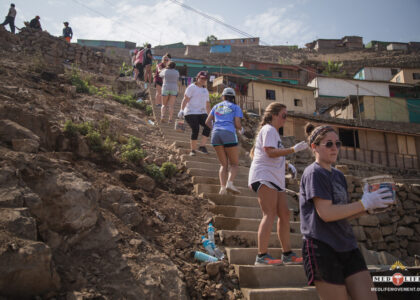
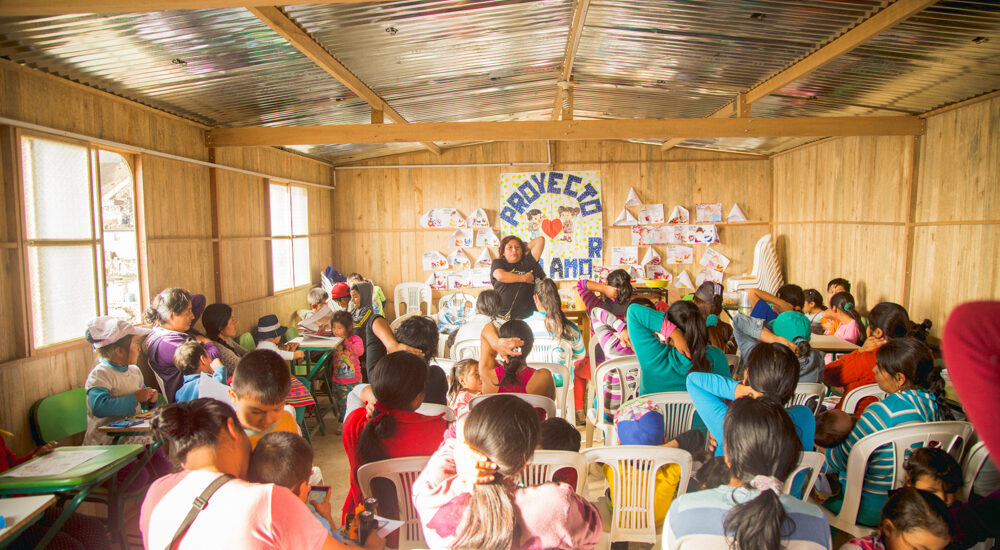
On Engaged Education’s 8-day Lima and Cusco language immersion programs, students visit MEDLIFE partner communities to learn about global health while practicing Spanish. MEDLIFE is a nonprofit that works with communities on health, education and community development. Students stay in a learning role, take Spanish lessons, join cultural activities and finish with a reflection session. For families comparing options, our guide to summer abroad programs offers more context.
Building a path into health careers
- Take strong science and math classes.
- Learn a second language, especially Spanish.
- Get involved locally through volunteering and clubs.
- Reflect on experiences in a journal to understand your interests.
- Talk with professionals about their paths.
FAQ
What medical programs are available for high school students?
Options include HOSA chapters, hospital volunteering, shadowing, certification courses, summer pre-college programs, research and global health learning programs.
Can high school students do medical work abroad?
High school students should not perform clinical tasks abroad. Ethical programs focus on learning, observation and cultural understanding.
Do medical programs help with college applications?
They can help students explore interests and reflect on experiences. No program guarantees admission to college or medical school.
Explore health careers with purpose
The right experiences help students learn what health careers involve. Our Language Immersion programs in Lima and Cusco include visits to MEDLIFE partner communities to learn about global health. Fill out our form to learn more.
Start your journey by downloading the Engaged Education Brochure and learn more about our immersive programs in Peru, Spain, and beyond. Interested in creating lasting impact around the world? You can directly assist communities in need by becoming a monthly donor through MEDLIFE’s Moving Mountains initiative.