For many students, a school trip abroad is also their first flight. Airports can feel confusing, with long lines, security checks, gate changes and announcements. Knowing what to expect turns a stressful day into an exciting start to the trip. These first time flying tips walk students and families through each step, from packing a carry-on to landing in a new country.
This guide covers what to do before the flight, how check-in and security work, how to stay comfortable in the air and what happens when you arrive abroad. You’ll also find tips specific to group travel, where staying together and following the trip leader matter most. Families can review the guide together before departure to answer questions and ease nerves.
First time flying tips: before the flight
Check your documents
International flights require a valid passport. Make sure the name on the ticket matches the passport exactly. Keep any consent letters or forms the trip leader requests. Our guide to passports for minors explains how to apply.
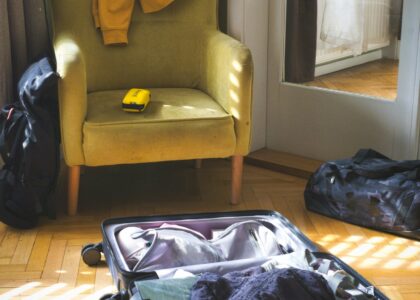
Pack your carry-on carefully
Keep these items in your carry-on, not in checked luggage:
- Passport and travel documents
- Medication, in original containers
- Phone, charger and a portable battery
- A change of clothes and basic toiletries
- A refillable water bottle, empty when you go through security
- Snacks
- A light sweater, since planes can be cold
Know the liquids rule
In the United States, the TSA allows liquids in carry-on bags only in containers of 3.4 ounces (100 ml) or less, all fitting in one quart-size bag. Canada and many other countries use a similar 100 ml rule. Larger liquids go in checked bags.
Our post on traveling with medication explains the rules for medicines.
At the airport
Arrive early
For international flights, airlines often recommend arriving about three hours before departure. Group leaders usually set an earlier meeting time.
Check-in and bag drop
At check-in, airline staff check passports and tag checked bags. Keep your boarding pass and bag tag receipt safe.
Security
At security, travelers place bags, jackets, laptops and liquids in bins for screening and walk through a scanner. Follow the officers’ instructions. Wear easy shoes and avoid lots of metal.
Find your gate
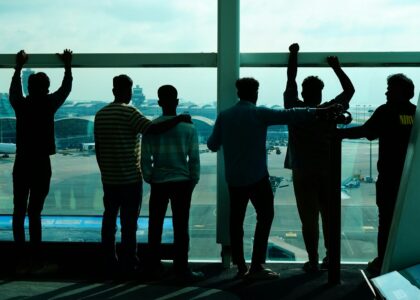
Check the departure screens for your gate number, since gates can change. Stay with the group and listen for boarding announcements. Use the waiting time to fill your water bottle, use the restroom and charge your phone. Many airports post maps on screens and apps, so students can see where their gate is before walking.
Boarding
Airlines board in groups. Have your boarding pass and passport ready. Find your seat, store your carry-on in the overhead bin or under the seat in front of you and fasten your seatbelt.
Staying comfortable during the flight
- Ear pressure: Chew gum, swallow or yawn during takeoff and landing.
- Hydration: Drink water regularly.
- Movement: Stretch your legs and walk the aisle when it is safe.
- Rest: Bring a neck pillow or headphones.
- Motion sickness: Talk with a parent or doctor beforehand about remedies.
Arriving abroad
Immigration
Passengers line up to show passports to immigration officers. Officers may ask the purpose of the trip and how long you will stay. Answer simply and honestly.
Baggage claim and customs
Collect checked bags and go through customs. Some countries ask travelers to fill out a declaration form.
Meeting the group
On organized trips, leaders guide students through each step and to waiting transportation.
Tips for group travel
- Use the buddy system. Stay with a partner at all times in the airport.
- Keep the leader’s number saved.
- Follow the meeting points your leader sets.
- Never leave bags unattended.
For packing ideas, see our international packing list.
Arrival on Engaged Education programs
On Engaged Education’s 8-day Lima program, the group leader meets students at the airport on day one, followed by an orientation and safety overview. The Cusco program includes an orientation and safety meeting on day two. On the 10-day Spain Global Impact Fellowship, students arrive in Barcelona, check in at their hotel and attend a welcome meeting and dinner.
FAQ
What should I pack in my carry-on for my first flight?
Pack your passport, medication, phone and charger, a change of clothes, snacks, an empty water bottle and a light sweater.
How early should I arrive for an international flight?
Airlines often recommend arriving about three hours before an international flight. Follow your group leader’s meeting time.
What happens at airport security?
Travelers place bags, jackets, electronics and liquids in bins for screening and walk through a scanner while following officers’ instructions.
Start your trip with confidence
Preparation makes a first flight much easier. Explore our Language Immersion programs in Lima and Cusco and our Spain Global Impact Fellowship 2027. Fill out our form to learn more.
Start your journey by downloading the Engaged Education Brochure and learn more about our immersive programs in Peru, Spain, and beyond. Interested in creating lasting impact around the world? You can directly assist communities in need by becoming a monthly donor through MEDLIFE’s Moving Mountains initiative.