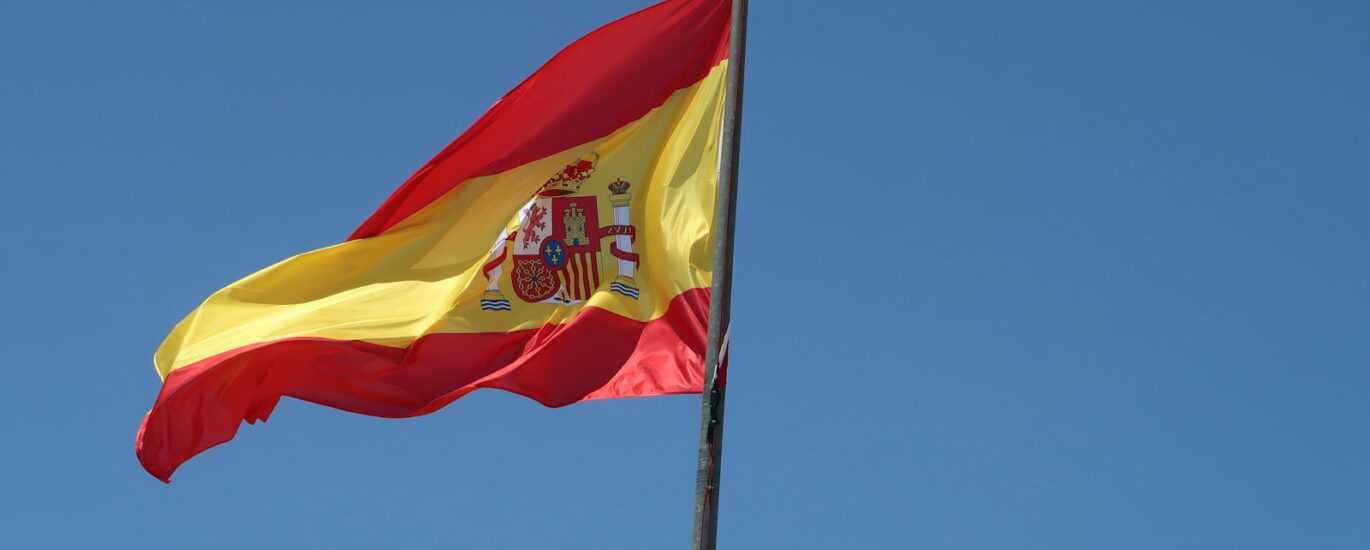
On October 12, Spain celebrates its National Day with a military parade in Madrid, official receptions and flags on public buildings. Many people still call the date Día de la Hispanidad. The same day is marked very differently across the Americas. Some countries celebrate cultural diversity, some honor Indigenous resistance and others question the holiday altogether. For students, this single date opens a rich conversation about history, identity and memory.
This guide explains the history of Día de la Hispanidad, how Spain celebrates it today and how other countries mark October 12. You’ll also learn why the holiday is debated and how teachers can address it respectfully in class. The topic connects naturally to Hispanic Heritage Month, which runs through October 15 in the United States.
What is Día de la Hispanidad?
October 12 marks the anniversary of Christopher Columbus’s arrival in the Americas in 1492, on an island in the Caribbean. In Spain, the date became a holiday celebrating the historical and cultural ties among Spanish-speaking peoples.
In 1987, Spain made October 12 its official National Day, the Fiesta Nacional de España. Many Spaniards still use the older name, Día de la Hispanidad.
How Spain celebrates October 12
The military parade
The main event is a military parade in central Madrid, led by the King of Spain as head of state. Members of the armed forces march, and aircraft fly over the city trailing smoke in the colors of the Spanish flag.
The royal reception
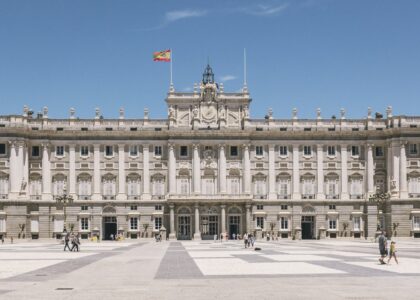
After the parade, the King and Queen hold an official reception at the Royal Palace with government officials and guests.
The Virgin of the Pillar
October 12 is also the feast of the Virgin of the Pillar, the patron of Zaragoza and of Spain’s Guardia Civil. Zaragoza celebrates its main festival, the Fiestas del Pilar, during that week.
A day off
For most Spaniards, it is a national holiday. Many families enjoy a long weekend.
How October 12 is marked in the Americas
Over time, many countries changed how they name and celebrate the date:
- Día de la Raza: An older name used in several Latin American countries, meant to celebrate a shared cultural heritage. Many now consider the term outdated.
- Day of Respect for Cultural Diversity: Argentina renamed the holiday in 2010 to highlight diversity.
- Day of Indigenous Resistance: Venezuela renamed it in 2002 to honor Indigenous peoples.
- Columbus Day and Indigenous Peoples’ Day: In the United States, October’s second Monday is Columbus Day, a federal holiday. Many states and cities also recognize Indigenous Peoples’ Day.
Names and policies differ, and some countries do not observe the date as a holiday at all.
Why the holiday is debated
For some people, October 12 celebrates a shared language, culture and history linking Spain and the Americas. For others, it marks the beginning of conquest, colonization and great suffering for Indigenous peoples. Both views are present in Spain and across the Americas. Many historians encourage approaches that recognize the complexity of the encounter, including violence, cultural exchange and the survival of Indigenous cultures.
Teaching Día de la Hispanidad in class
- Compare names: Students research what October 12 is called in several countries and why.
- Perspective analysis: Read short texts from different viewpoints. Students identify each author’s perspective.
- Timeline: Map key events from 1492 to the independence movements of the 19th century.
- Hispanic Heritage Month link: Connect the date with activities in our Hispanic Heritage Month guide.
- Vocabulary: la fiesta nacional, el desfile, la conquista, los pueblos indígenas, la diversidad.
Set clear norms for respectful discussion. Some students may have family connections to Spain, Latin America or Indigenous communities. Our Spanish-speaking countries guide helps students place the countries on a map.
Madrid’s landmarks on the Spain Global Impact Fellowship
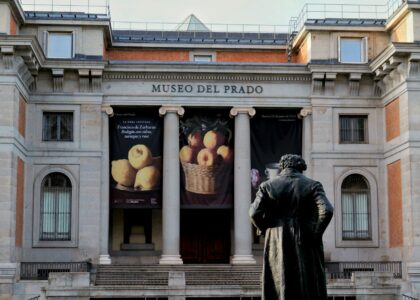
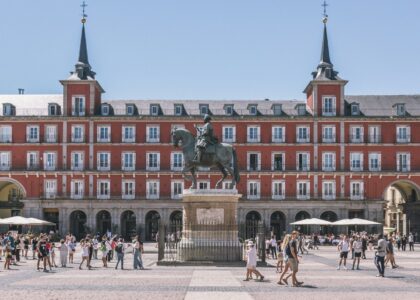
Engaged Education’s Spain program spends time in Madrid, the center of the October 12 celebrations. On day seven, students tour Plaza Mayor, Puerta del Sol and the Royal Palace, where the National Day reception takes place, then visit the Prado Museum. Day eight includes a Lavapiés street art workshop in one of Madrid’s most multicultural neighborhoods. For more festivals, see our guide to Spanish festivals and traditions.
FAQ
What is Día de la Hispanidad?
Día de la Hispanidad is the traditional name for Spain’s National Day on October 12, which marks Columbus’s arrival in the Americas in 1492.
How does Spain celebrate October 12?
Spain holds a military parade in Madrid led by the King, an official reception at the Royal Palace and a national holiday.
Why is October 12 controversial?
Some see it as a celebration of shared heritage, while others see it as the beginning of conquest and colonization of Indigenous peoples.
Explore history and identity with your class
Día de la Hispanidad helps students think critically about history and memory. Our Spain Global Impact Fellowship 2027 is a 10-day program in Barcelona and Madrid built for high school groups. Fill out our form to learn more.
Start your journey by downloading the Engaged Education Brochure and learn more about our immersive programs in Spain and beyond. Interested in creating lasting impact around the world? You can directly assist communities in need by becoming a monthly donor through MEDLIFE’s Moving Mountains initiative.