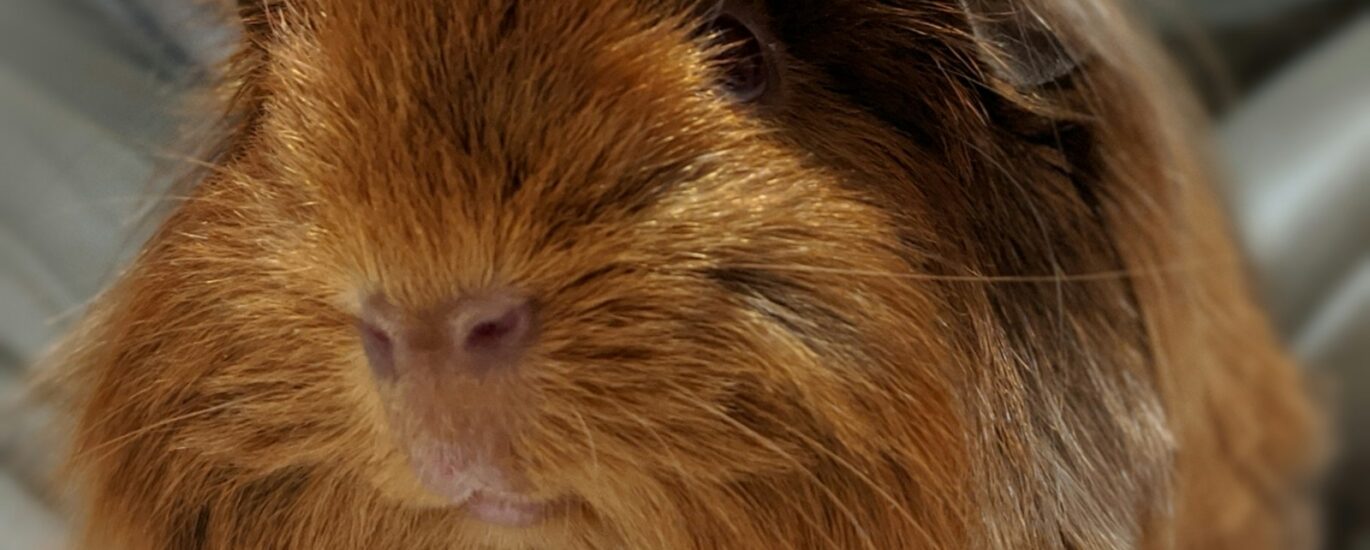
In North America, guinea pigs are usually pets. In the Andes, they have a long history as a source of food, a part of rituals and even a subject of religious art. The guinea pig in Peru, called cuy, has been raised in Andean homes for thousands of years. For students, learning about cuy opens a valuable conversation about how cultures see animals and food differently.
This guide explains the history of the guinea pig in Peru, how Andean families raise cuy and why it appears in ceremonies and celebrations. You’ll also learn about the famous painting in Cusco Cathedral that includes a guinea pig at the Last Supper. We share classroom ideas for discussing food traditions with curiosity and respect. Students on Engaged Education’s Cusco program see this painting during their time in the city.
The guinea pig in Peru: a long history
An ancient domestic animal
Guinea pigs were domesticated in the Andes thousands of years ago, long before the Inca. Archaeologists have found guinea pig remains at ancient sites in Peru. Andean peoples bred them for food, and the animal became an important part of daily life.
Why cuy made sense in the Andes
Guinea pigs are small, reproduce quickly and eat kitchen scraps and grasses. They need little space and no grazing land. In the high Andes, where large livestock was limited, cuy offered a reliable source of protein. Many rural families still keep guinea pigs in or near the kitchen, where the warmth of the stove keeps them comfortable.
From the Andes to the world
After the Spanish arrived, guinea pigs were taken to Europe. There they became popular as pets, which is the role most North American students know.
Cuy in food and celebration
A special-occasion dish
In many Andean communities, cuy is served at celebrations such as weddings, baptisms, festivals and family gatherings. It is often roasted or fried and served whole with potatoes and spicy sauces. Restaurants in Cusco and other highland cities serve it to locals and visitors.
Regional pride
Different regions of Peru prepare cuy in their own ways. Some towns are known for their cuy recipes and hold festivals in its honor.
Cuy in ritual and healing
In some Andean communities, traditional healers use a guinea pig in a ritual to diagnose illness. The healer passes the animal over a person’s body, then examines it for signs. Medical science does not support this practice, but it remains part of traditional beliefs in some areas. Guinea pigs have also been used as offerings in ceremonies connected to Andean beliefs about the earth and the mountains. Our post on Pachamama and Andean beliefs explains this worldview.
The guinea pig Last Supper
Inside Cusco Cathedral hangs a version of the Last Supper painted by Marcos Zapata in the 18th century. At the center of the table is a roasted guinea pig. The painting also shows local fruits and drinks. It is a clear example of how Andean artists adapted European religious scenes to their own culture. Our guide to Cusco Cathedral describes the painting in more detail.
Discussing cuy respectfully in class
Students may react strongly to the idea of eating an animal they see as a pet. This is a teaching opportunity.
- Compare food traditions: Ask students which animals are eaten in their own culture and which are not, and why.
- Explain context: Discuss how geography and history shape diets.
- Avoid judgment: Encourage words like “different” and “unfamiliar” over “weird” or “gross.”
- Respect choices: No student should feel pressured to try any food. Vegetarian students and others can decline politely.
Vocabulary
- el cuy: guinea pig (Andean Spanish)
- el conejillo de Indias: guinea pig (general Spanish)
- criar: to raise animals
- la fiesta: celebration
- la ofrenda: offering
For more on Peruvian food, see our guide to traditional Peruvian food.
Andean culture on the Cusco language immersion program
On Engaged Education’s 8-day Cusco program, students explore the historic center on day three, where Cusco Cathedral faces the Plaza de Armas. They also visit Inca sites above the city and attend a performance at the Centro Qosqo de Arte Nativo. On day four, they visit MEDLIFE partner communities to learn about global health while practicing Spanish. Students take a cooking class on day two and spend day five in the Sacred Valley. These experiences help students understand Andean life on its own terms.
FAQ
Do people eat guinea pig in Peru?
Yes. Guinea pig, called cuy, is a traditional food in the Peruvian Andes, especially at celebrations and family gatherings.
Why is there a guinea pig in the Last Supper in Cusco?
Painter Marcos Zapata included a guinea pig because it was an important Andean food. It shows how local artists adapted European religious art.
Do students have to try cuy on a trip to Peru?
No. Trying any food is a personal choice. Students can learn about cuy without eating it.
Understand Andean culture with your class
Cuy helps students explore how history, geography and belief shape food traditions. Our Language Immersion program in Cusco combines Spanish lessons with visits to the historic center, Inca sites and partner communities. Fill out our form to learn more.
Start your journey by downloading the Engaged Education Brochure and learn more about our immersive programs in Peru, Spain, and beyond. Interested in creating lasting impact around the world? You can directly assist communities in need by becoming a monthly donor through MEDLIFE’s Moving Mountains initiative.