

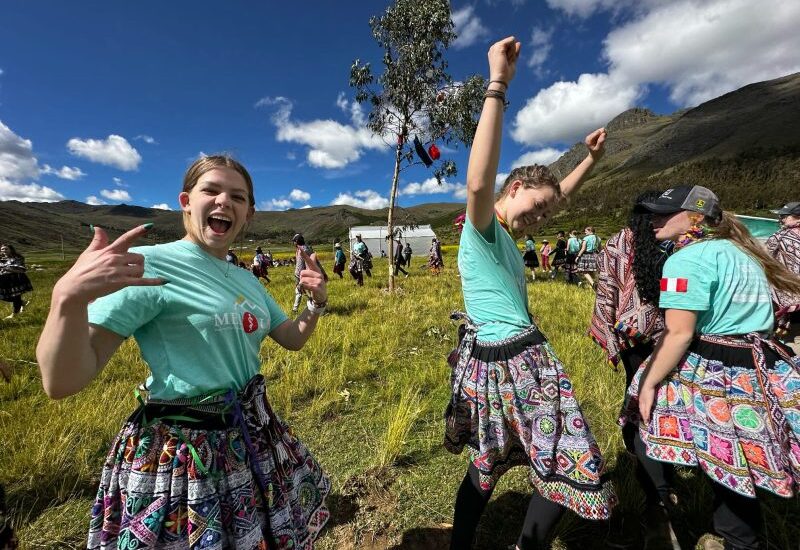
If you’re researching EF Educational Tours for your high school, you already know the appeal. EF is one of the largest student travel companies in the world, with decades of experience and a catalog covering dozens of countries. For many schools, that scale brings real comfort.
Different schools have different priorities, though, and program size is one of the factors worth thinking through. This article walks through what large-scale providers like EF bring to the table, and what a nonprofit-backed program like Engaged Education offers instead: closer attention to detail, smaller groups, and a built-in social impact component.
What large student travel companies do well
Companies operating at EF’s scale bring real advantages. Established infrastructure across dozens of destinations. Predictable pricing. A long track record that administrators can point to when approving a trip.
For schools sending very large groups, or districts that need a provider with global reach and standardized processes, that scale matters. It’s a legitimate reason many schools choose a large operator.
Program size is one of the trade-offs worth weighing:
- Larger providers generally run itineraries designed to work across many schools at once, which supports consistency and predictable planning.
- Smaller programs work differently, with more room to shape the schedule around a specific class’s Spanish level, a teacher’s curriculum goals, or a smaller group’s pace.
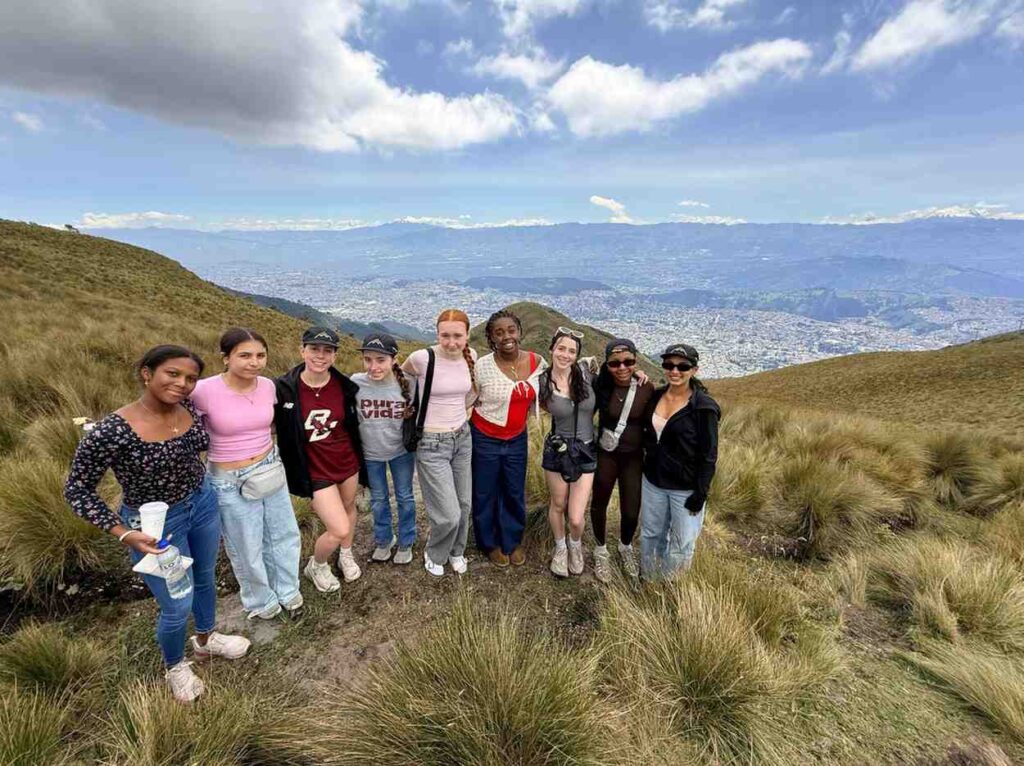
Engaged Education proposal: Personalization and attention to detail
Engaged Education was built around a different model. Groups tend to be smaller, which changes what’s possible day to day.
1. Itineraries built around the group
Every Engaged Education itinerary starts with a conversation about the teacher’s goals. A Spanish teacher preparing juniors for AP exams needs a different mix of activities than a world history department building a unit around a specific region. Itineraries are shaped around language level, curriculum tie-ins, and a school’s academic calendar.
The immersion program in Spain is a good example. Instead of a fixed sightseeing route, the program pairs landmark visits with structured contact with native speakers, community organizations, and hands-on activities that put language skills to work in real settings.
2. Direct access to the people planning the trip
With smaller groups and a leaner operation, teachers working with Engaged Education typically deal with the same coordinator from planning through departure. That person knows the group, the destination, and the questions a specific school’s administration is likely to ask, so questions about transfers, meal logistics, or emergency protocols get answered by someone who built the itinerary firsthand.
Safety planning still follows a clear structure. Every trip includes pre-departure briefings, in-country staff who stay with the group, and detailed safety protocols reviewed with school administrators before departure. Personalization doesn’t come at the cost of the logistics framework teachers need to trust.
A Nonprofit foundation changes what the trip can do
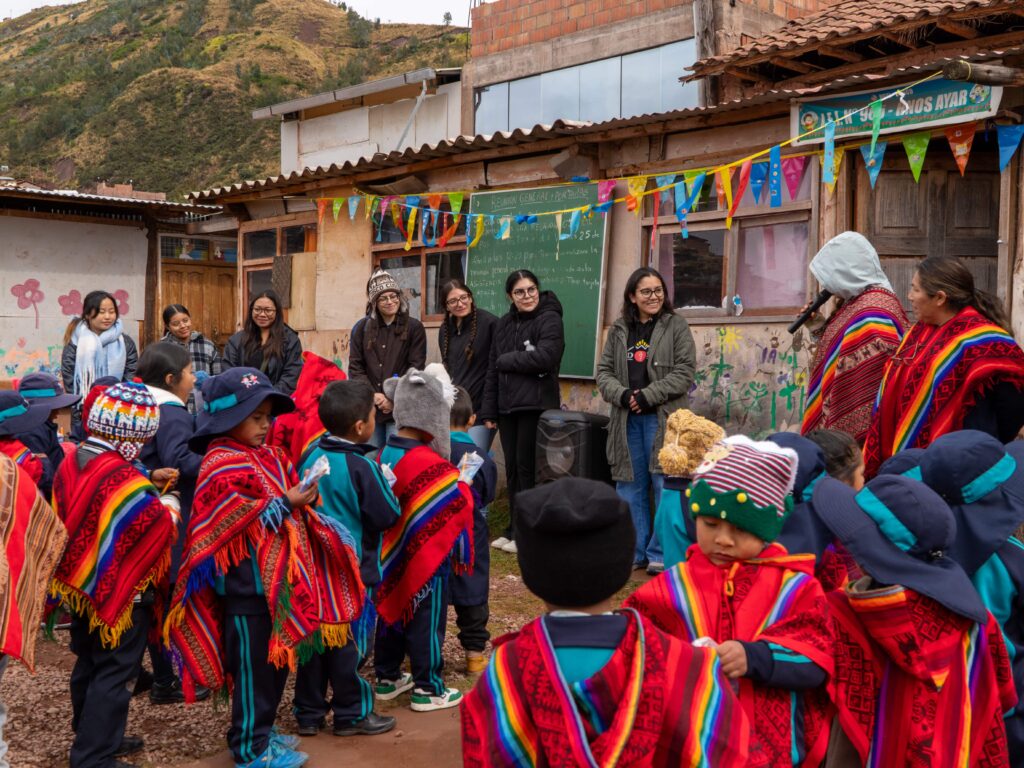
Here’s where the two models diverge most. Engaged Education is a division of MEDLIFE, a nonprofit that has worked with low-income communities in Latin America for close to two decades. That connection shapes the programs directly.
Students on an Engaged Education trip often work alongside local organizations already partnered with MEDLIFE, whether that’s a Street art social project in Madrid or a community health initiative in Peru. These aren’t add-on volunteer stops. They’re built into the itinerary because the organization already has relationships in that community, developed through years of nonprofit work rather than a single tour booking.
For a school building a case to the admissions office or school board, that distinction matters. A trip tied to an established nonprofit’s community relationships supports a clear narrative around genuine cultural exchange. Teachers exploring options across regions can compare educational travel destinations, from Peru to Ecuador to the newer Spain itineraries, and see the same thread running through each one: structured, reciprocal engagement with the communities students visit.
Which program fits your group?
There’s no single right answer here, and the best choice depends on what a school is optimizing for. A very large district sending several hundred students across multiple regions may prioritize the infrastructure a large-scale provider offers.
A department of 15 to 40 students looking for a trip shaped around specific language or curriculum goals, with a nonprofit foundation behind the community engagement piece, is often a strong fit for a smaller, more personalized program like Engaged Education.
If your department is weighing student travel options for next year, we’d be glad to walk through how an Engaged Education itinerary could be built around your students.
Check our Spain Global Impact Fellowship program for 2027 to start the conversation and get a customized proposal for your school.
FAQ about Engaged Education
1. Is Engaged Education a good alternative to larger student travel companies?
It depends on group size and goals. Engaged Education works well for schools that want smaller groups, curriculum-specific itineraries, and programs built through an established nonprofit’s community partnerships rather than a standardized tour package.
2. Does a smaller program mean less safety oversight?
No. Engaged Education itineraries include the same core safety elements schools expect: pre-departure briefings, in-country staff supervision, emergency protocols reviewed with administrators, and clear communication with families before and during the trip.
3. Can Engaged Education customize an itinerary around a specific class or subject?
Yes. Coordinators work directly with teachers to align activities with language level, curriculum goals, and the academic calendar for that specific group.