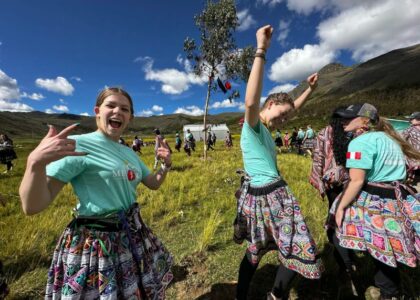


An academic service learning trip in Spain gives high school students a reason to use their Spanish with purpose. They listen, ask questions, and work beside local organizations. Then they connect what they saw to what they study in class.
For teachers, the hard part is finding a program that holds up on both academics and logistics. Your administration will ask about learning outcomes. Parents will ask about supervision and safety. Students will want to know if the experience will feel real.
This guide covers three things. First, what makes service learning academic. Second, why Spain offers a distinct setting for it. Third, how to plan the trip and present it to your school. Along the way, we’ll share how our Barcelona and Madrid program builds service and language practice into one itinerary.
What Makes a Service Learning Trip Academic?
Service learning links community engagement to clear course objectives. A strong program follows three stages.
- Preparation. Before departure, students learn about the communities and organizations they will meet. In a Spanish class, this can include vocabulary, readings, and short research projects. In social studies, it might cover migration or urban change in Europe.
- Engagement. During the trip, students take part in activities that local partners have designed. The community partner defines the need. Students contribute to work already underway, and they learn from the people who lead it.
- Reflection. Reflection turns the experience into learning. Journals, group discussions, and presentations help students process what they observed. Teachers can assess these tasks against course goals.
This structure separates academic service learning from a sightseeing trip with a volunteer afternoon added on. If you want a deeper look at this distinction, read our guide on community-engaged learning.
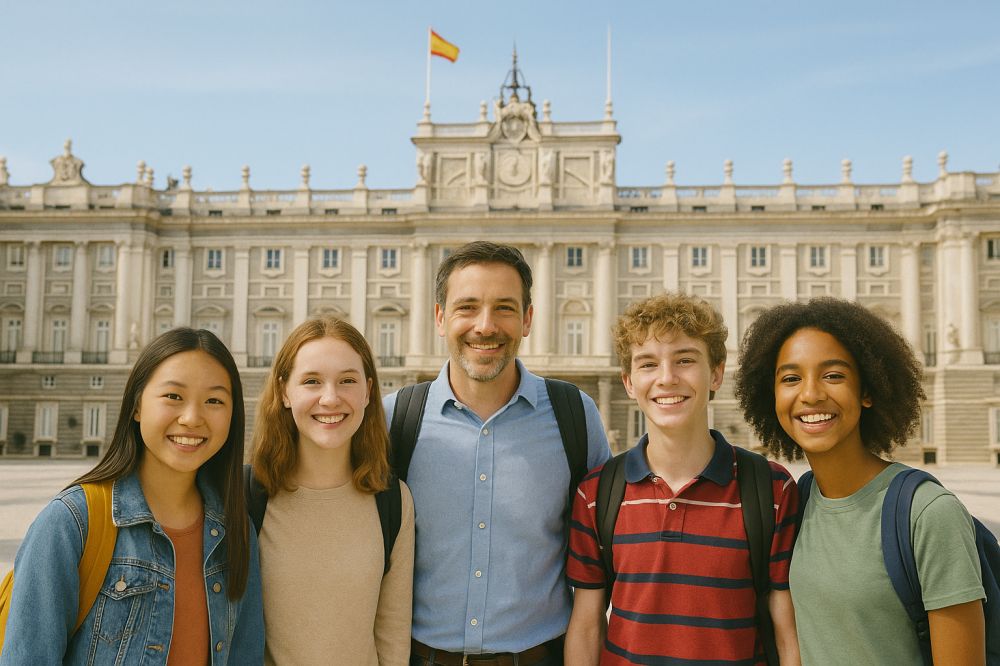
Why Spain Works for Service Learning in Spanish
Spain offers a context that Latin American destinations don’t replicate. Trips to Peru or Ecuador often place students in rural, mountain, or rainforest settings. Spain gives students a European, urban view of the Spanish-speaking world.
Language is part of that difference. In Barcelona, students hear both Catalan and Spanish on the street. This opens useful conversations about regional identity and language policy. In Madrid, they experience Castilian Spanish in its classic form. Comparing the two cities builds cultural awareness that a textbook can’t show.
The service themes also differ. Spanish cities are home to large immigrant communities. Local organizations work on employment, social inclusion, and neighborhood life. These topics connect directly to units on immigration, citizenship, and global communities.
What Service Learning Looks Like on Our Spain Itinerary
Our 10-day Barcelona & Madrid Discovery program includes several community-based activities.
In Barcelona, students visit Mescladis, a social organization that trains refugees, immigrants, and people with disabilities for employment. Students hear about the project from the people who run it. They then join a Spanish tapas cooking class, where food and kitchen vocabulary comes up naturally.
In Madrid, students take part in a street art workshop in Lavapiés, one of the city’s most culturally diverse neighborhoods. They create their own art and help a partner NGO prepare picnic bags for local children.
Daily routines add more practice. Students visit the San Cristobal Market, ride public transport on lighter days, and read signs and ask for directions in Spanish. The program also includes the Sagrada Familia, Park Güell, the Prado Museum, and a day trip to Montserrat. You can see how these pieces fit together in our post on language immersion in Spain.
How to Plan an Academic Service Learning Trip in Spain
A well-planned trip is easier to approve. Start with these three areas.
1. Connect the Trip to Your Curriculum
Map each activity to a learning goal. World language teachers can use the ACTFL World-Readiness Standards, often called the 5 Cs: Communication, Cultures, Connections, Comparisons, and Communities. A cooking class supports Communication. A visit to a social organization supports Communities and Cultures. A Barcelona-Madrid comparison supports Comparisons.
Write these links down before you meet with your administration. Clear objectives make the trip easier to defend as an academic program.
2. Answer Safety and Logistics Questions Early
Teachers and parents need precise answers. Ask any provider about:
- Supervision ratios and who leads the group on the ground
- Airport transfers and transportation between cities
- Which meals are included
- Travel insurance and emergency procedures
- Passport validity and current Schengen entry rules for your students’ nationalities
On our Spain program, a dedicated tour leader holds a welcome meeting on Day 1. Airport transfers are included at arrival and departure. Most meals are built into the schedule, often at local restaurants. Entry requirements for Europe can change, so families should check official government sources well before departure.
For help preparing your proposal, use our checklist on pitching trips to school boards.
3. Set Honest Expectations
Be clear about what the trip can and can’t do. A service learning trip can give students real experiences to reflect on in essays and interviews. It does not guarantee any admission outcome. If students hope to count activities toward service-hour requirements, confirm the rules with your school or district first.
Plan Your Spain Program With Engaged Education
An academic service learning trip in Spain can bring language, culture, and community engagement into one experience. If you’re considering one for your students, we can walk you through the itinerary, logistics, and safety planning. Fill out our form to learn more about Engaged Education’s available programs.