Teachers planning a trip to Peru often ask the same first question: how to get to Machu Picchu with a group of teenagers. No road runs from Cusco all the way to the site. A typical visit involves a train, a short bus ride, and a ticket booked well in advance.
This guide walks through each leg of the route. You will learn how the train to Machu Picchu works, what to expect in Aguas Calientes, and how Machu Picchu tickets are organized. We also cover the documents students need and how our Cusco program handles the logistics. Use it to brief parents and prepare students before departure.
How to get to Machu Picchu: the route step by step
Machu Picchu sits on a mountain ridge above the Urubamba River. The UNESCO-listed site is about 2,430 meters above sea level. Most groups reach it in three stages.
Step 1: Cusco to the train station
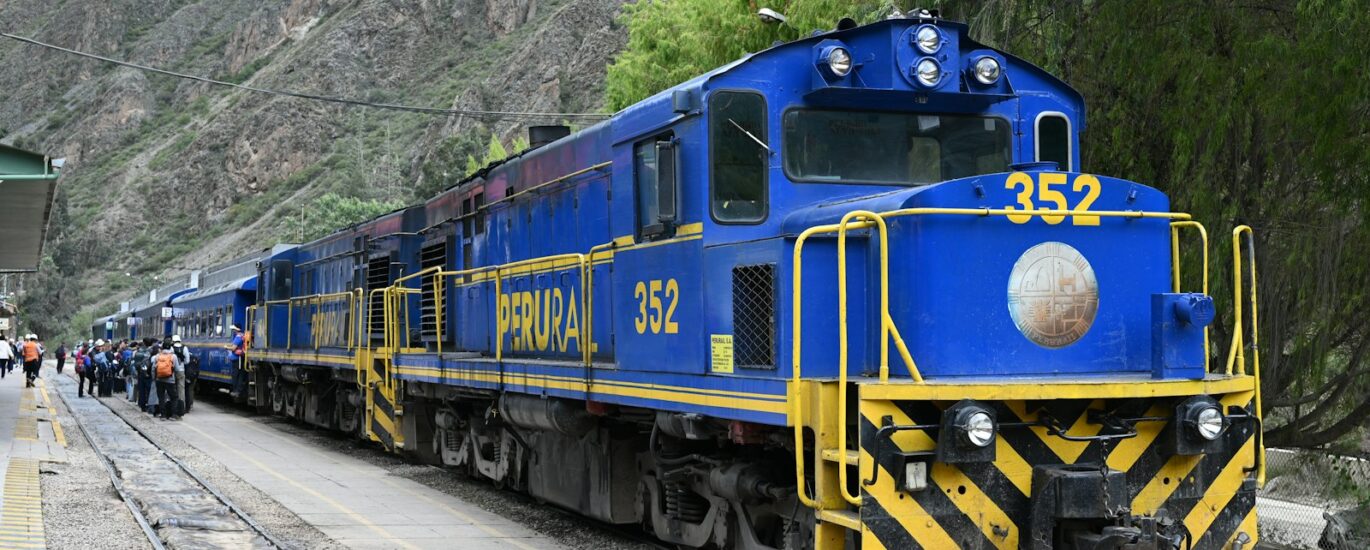
Trains run from stations outside central Cusco. According to PeruRail, most trains to Machu Picchu leave from Ollantaytambo, in the Sacred Valley. The drive from Cusco to Ollantaytambo takes about an hour and a half. Some services leave from Poroy, closer to Cusco. Many groups break up the trip by spending a night in the Sacred Valley first. This also lets students adjust to the altitude at a lower elevation.
Step 2: The train to Aguas Calientes
The train follows the Urubamba River through a narrow, green canyon. Two companies, PeruRail and Inca Rail, operate the route. Travel times vary by service and departure point. Seats are assigned, and groups should board together with a leader counting heads at each step.
The train ends in Aguas Calientes, also called Machu Picchu Pueblo. This small town is the base for every visit. It has hotels, restaurants, a market, and the bus stop to the site.
Step 3: The bus up to the site
From Aguas Calientes, Consettur buses climb a winding road to the entrance. PeruRail lists the ride at about 25 minutes each way. Some visitors walk down after their visit, which takes around an hour and a half. For school groups, the bus in both directions is the simpler and safer choice.
Machu Picchu tickets and entry rules
Access to Machu Picchu is managed by Peru’s Ministry of Culture. The rules change often, so always confirm the current version before you travel.
Circuits and daily limits
Tickets are sold for a specific date and a specific circuit. Each circuit is a set route through the citadel. In 2026, the Ministry listed three main circuits: Panoramic, Classic, and Royalty. Separate tickets cover the mountain hikes, such as Huayna Picchu. The site also has a daily visitor cap that changes by season. Tickets sell out in busy months, so groups need to book early. Official tickets are sold through the Ministry’s site, tuboleto.cultura.pe.
Documents students need
Every student needs a valid passport. Visitors show ID at the site entrance. PeruRail also advises having passports ready at the train station and when boarding the bus. Make a photocopy and a digital copy of each passport before departure. Keep the originals with students on visit day.
What students should pack
Large suitcases are not allowed inside the site. PeruRail recommends a small backpack of up to 20 liters. Pack water, sunscreen, a hat, a rain jacket, and layers. Weather in the canyon can change quickly. Trains also have luggage limits, so groups usually store main bags in their hotel and travel light. Our international trip packing list covers the rest.
Safety and logistics tips for teachers
A Machu Picchu day starts early and involves many handoffs. These habits help groups stay on schedule:
- Assign buddy pairs. Students check on their partner at every transfer.
- Count at every step. Do a head count at the station, on the train, at the bus stop, and at the entrance.
- Plan for altitude. Cusco is about 3,400 meters above sea level, higher than Machu Picchu. Read our Cusco altitude tips before the trip.
- Share the plan with parents. Send families the day’s schedule and emergency contacts.
- Check current rules. Ticket rules, train schedules, and visitor limits can change. Confirm with official sources a few weeks before departure.
Students get more out of the visit when they know the history first. A short pre-trip lesson on exploring Machu Picchu gives them context for what they will see.
How our Cusco program gets students to Machu Picchu
Our Language Immersion in Cusco program is an 8-day trip that combines Spanish practice with visits to Inca sites. Machu Picchu is on Day 6.
The day before, on Day 5, the group explores the Sacred Valley. Students have a Spanish lesson, visit the Pisac archaeological site, and take a ceramic workshop at the Sounds of the Andes Interpretation Center in Cuyo Chico. The group spends that night in the Sacred Valley.
On Day 6, students take the train to Aguas Calientes for a guided visit to Machu Picchu. In the evening, the group rides the train back to Ollantaytambo. Train and bus tickets to Machu Picchu are included, along with entrance fees, local guides, and an expert tour conductor. Teachers do not need to book any leg of the route on their own.
FAQ
Can you drive to Machu Picchu?
Not all the way. No road connects Cusco directly to Aguas Calientes. Most visitors take a train to Aguas Calientes and then a bus up to the entrance.
Do students need a passport to visit Machu Picchu?
Yes. Visitors must show a passport or valid ID at the entrance. Students should also carry their passports on the train and the bus.
How far in advance should a school group book Machu Picchu tickets?
As early as possible. Tickets are tied to a date and circuit, and daily limits apply. Popular dates in high season can sell out months ahead.
Plan your Machu Picchu visit with Engaged Education
Getting a student group to Machu Picchu takes careful timing, the right documents, and a trusted team on the ground. Our Language Immersion in Cusco program handles the train, the bus, tickets, and guides so teachers can focus on students. Fill out our form to learn more.
Start your journey by downloading the Engaged Education Brochure and learn more about our immersive programs in Peru, Spain, and beyond. Interested in creating lasting impact around the world? You can directly assist communities in need by becoming a monthly donor through MEDLIFE’s Moving Mountains initiative.