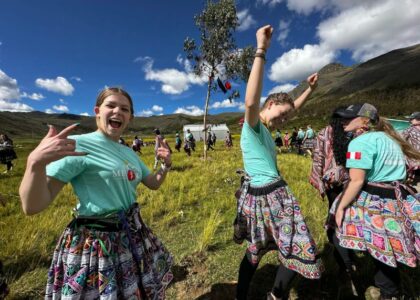

At 8 a.m. in Minas 2000, Ecuador, a student named Alex helps guide patients up a steep hillside path toward a temporary clinic site. The climb is slow. A mother pauses halfway, steadying her child while navigating uneven ground. Later that day, Alex stands beside a newly built staircase constructed through a MEDLIFE development project and hears a community leader explain how safer access has changed daily life. Fewer falls. Easier trips to school. More consistent clinic visits.
In that moment, educational travel shifts from something abstract to something tangible. Alex begins to understand that problem-solving is not about quick fixes. It is about recognizing how health, infrastructure, and community leadership are deeply connected.
For more insight into how students engage in these experiences, explore how global health learning through travel works in practice.
For many students, the first instinct is simple: see a need and try to fix it. Real-world challenges are more complex. A family’s health outcomes may depend on safe access to their home. A follow-up appointment may depend on transportation, childcare, or trust. Access to water or electricity may depend on infrastructure and land rights. These are the realities students begin to understand when they learn alongside local leaders
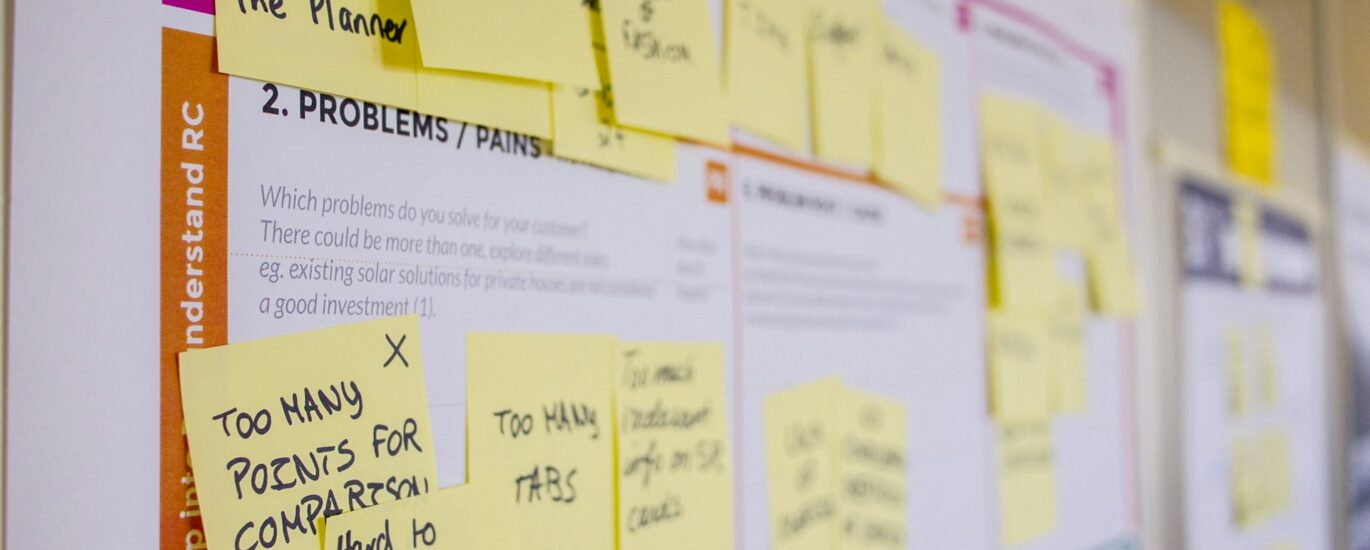
Problem-Solving Begins with Context, Not Assumptions
Students who want to understand systems thinking in global health can see how these connections unfold in real settings through service learning and global citizenship development.
Strong problem-solving is not about quick answers. It is about understanding systems.
Students quickly see that health is shaped by more than clinics. It is shaped by roads, housing, income, and education. Through Global Health exposure, they begin to connect these factors and recognize patterns. They learn to ask better questions before proposing solutions.
This shift matters. It moves students away from surface-level thinking and toward deeper analysis. They begin to recognize that every decision exists within a broader system of constraints and opportunities.
Ethical Volunteering Teaches Process Over Performance
To better understand ethical volunteering practices for students, see how programs are structured around long-term impact through this ethical student travel framework.
Experiences grounded in Ethical Volunteering help students focus on learning rather than performing.
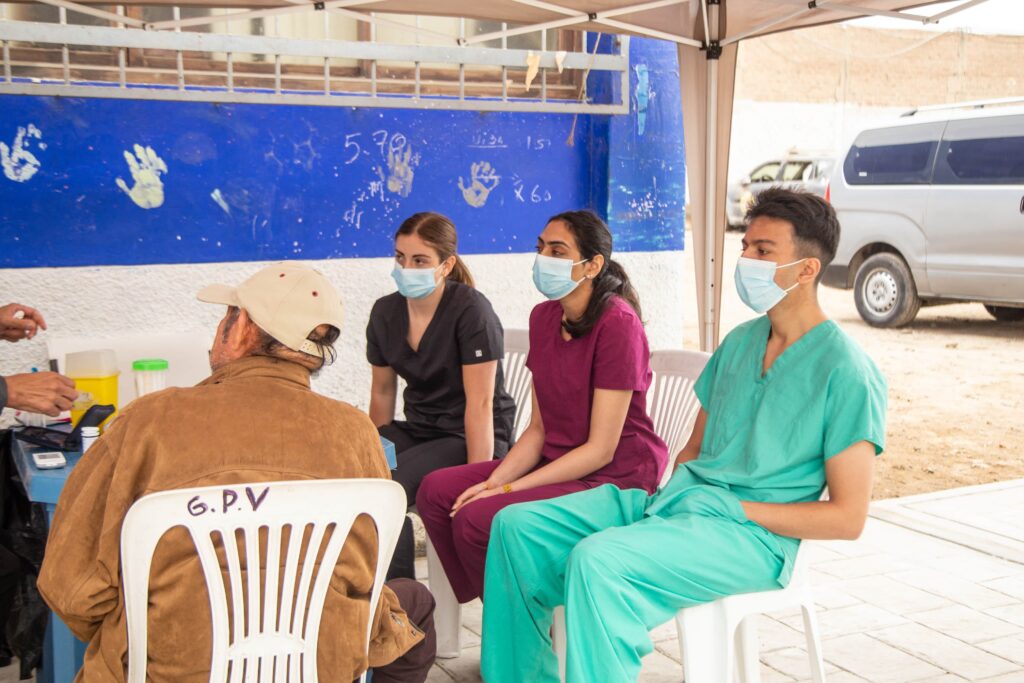
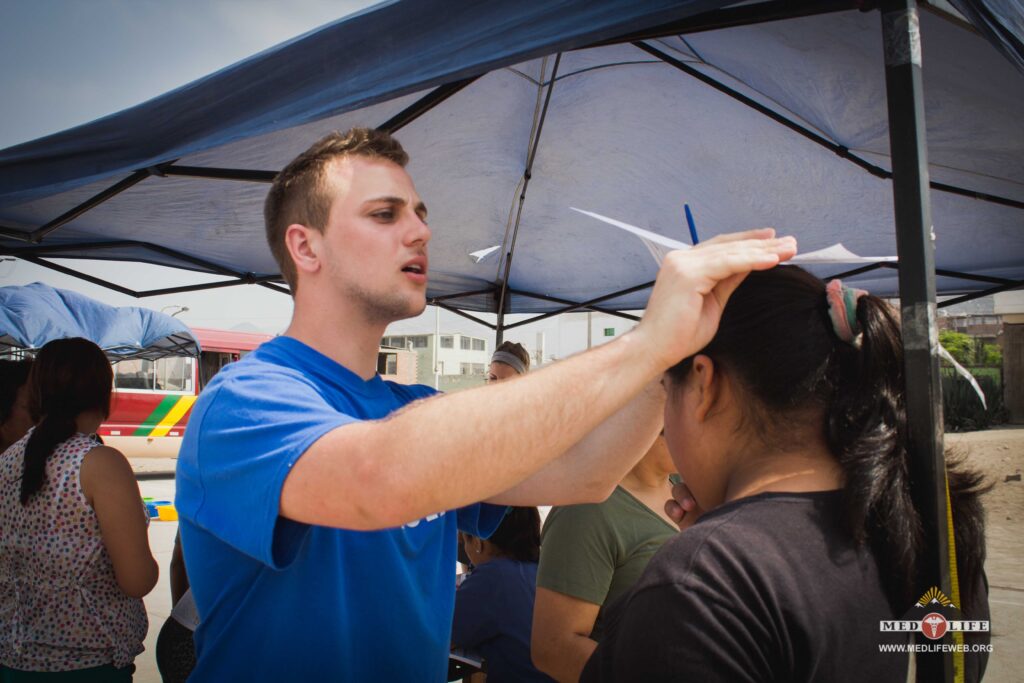
On a MEDLIFE Service Learning Trip, students support ongoing initiatives led by local professionals. They may help organize patient flow, assist with education sessions, or participate in development project days. The emphasis is not on acting as experts. It is on observing how systems function and how collaboration works in practice.
Students see that effective care includes screening, referrals, and follow-up. They learn that trust and continuity are essential. This builds a more realistic understanding of how change happens over time.
Real Growth Comes from Shifting Perspectives
You can explore how leadership development through travel experiences shapes student growth over time by learning more about building leadership through international experiences.
Many students arrive wanting to help in visible ways. Over time, that perspective evolves.
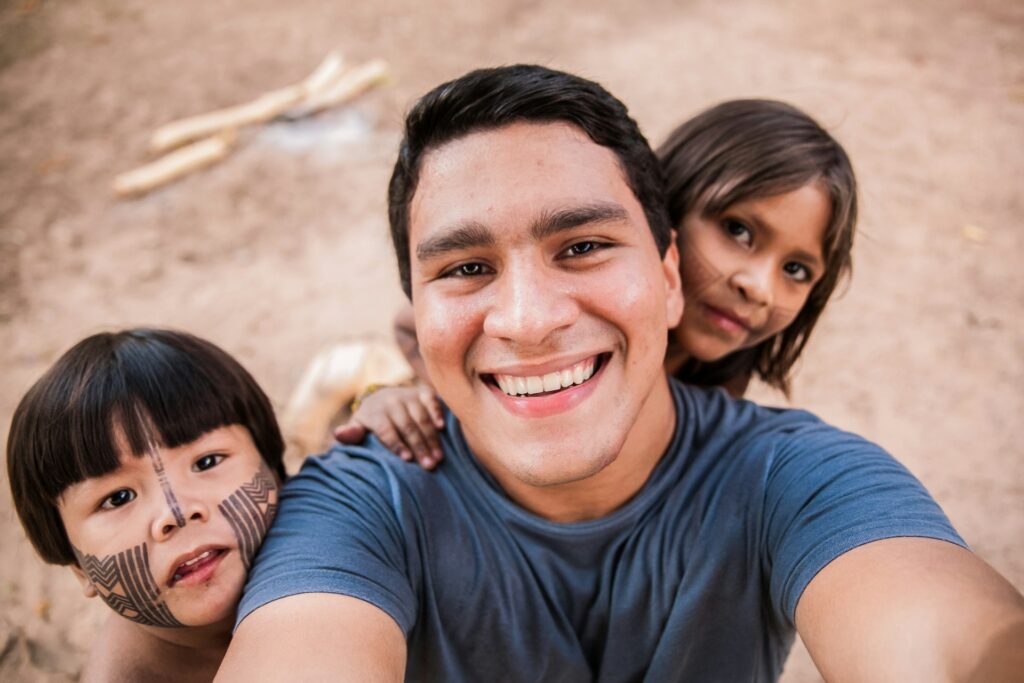
They meet local nurses who explain why culturally relevant care matters. They hear from community leaders who describe why the 50-50 model builds ownership. They begin to understand that sustainable impact depends on partnership, not outside direction.
This transformation is just as important for those exploring educational travel for adults. Regardless of age, the lesson is consistent. Meaningful contribution requires humility, patience, and the ability to listen.
Students leave with stronger communication skills, improved adaptability, and a clearer sense of how to navigate complex environments. These are foundational skills for careers in healthcare, education, and beyond.
Sustainable Development Requires Long-Term Thinking
Learn more about how community-based development projects create long-term impact through community-driven volunteer travel outcomes.
MEDLIFE’s approach shows that effective solutions create ripple effects.
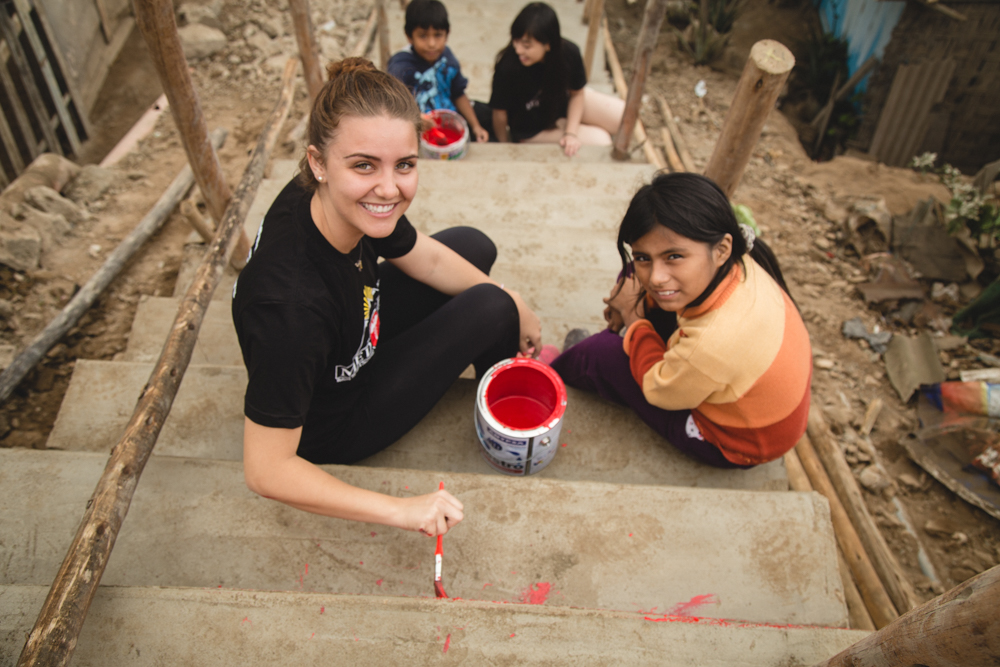
In Minas 2000, a staircase improves safety. Over time, it can also support access to services, enable infrastructure expansion, and strengthen community stability. Within Sustainable Development, these layered outcomes are what define success.
Healthcare follows the same pattern. Preventative screenings connect individuals to long-term care. Education improves early decision-making. Infrastructure improves access. Each piece contributes to a larger system of support.
This helps students redefine what Hands-on Experience means. It is not about being central. It is about understanding complexity and contributing responsibly.
Choosing Programs That Prioritize Community Empowerment
If you are evaluating ethical alternatives to voluntourism, this resource provides useful context on understanding voluntourism and its impact.
Not all programs create the same learning environment.
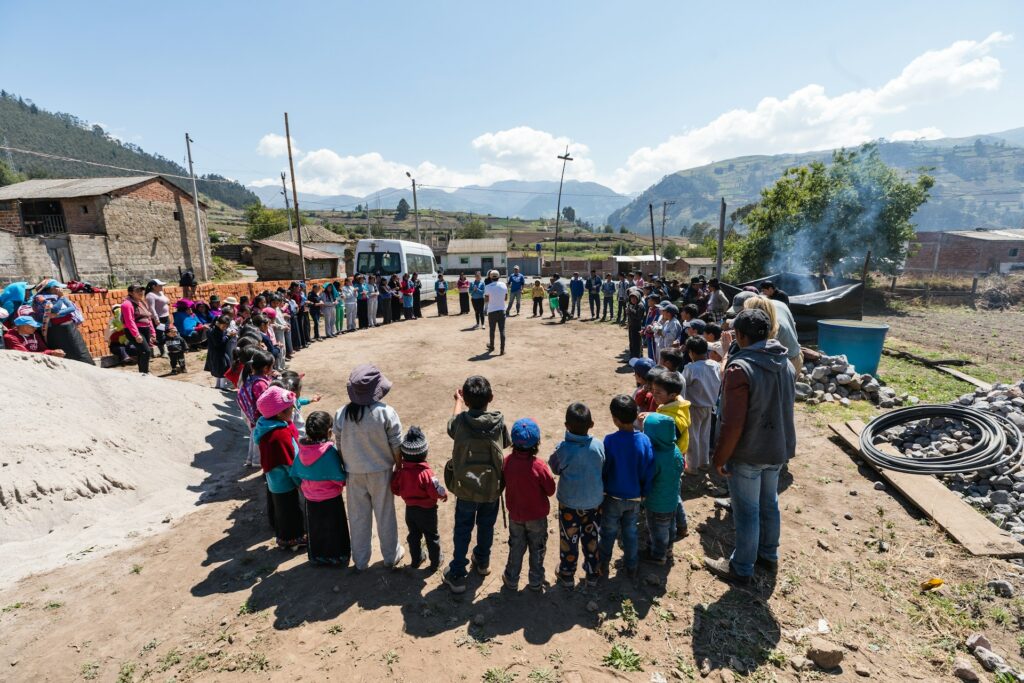
Students exploring the best companies for educational student travel tours should look beyond marketing language. Key indicators of strong programs include local leadership, long-term presence, follow-up care, and community-requested projects.
These elements ensure that Community Empowerment remains central. They also create richer learning environments where students can engage with real challenges rather than simplified versions.
Educational Travel as a Foundation for Lifelong Problem-Solving
The most meaningful outcome of educational travel is not a single experience. It is a shift in how students approach challenges.
They learn to listen first. They learn to collaborate. They learn to think in systems rather than isolated problems. These habits extend far beyond the trip itself.
Engaged Education - Transformative Educational Travel Experiences
Start your journey by downloading the Engaged Education brochure. You can also donate to support sustainable projects and contribute to long-term, community-driven impact.